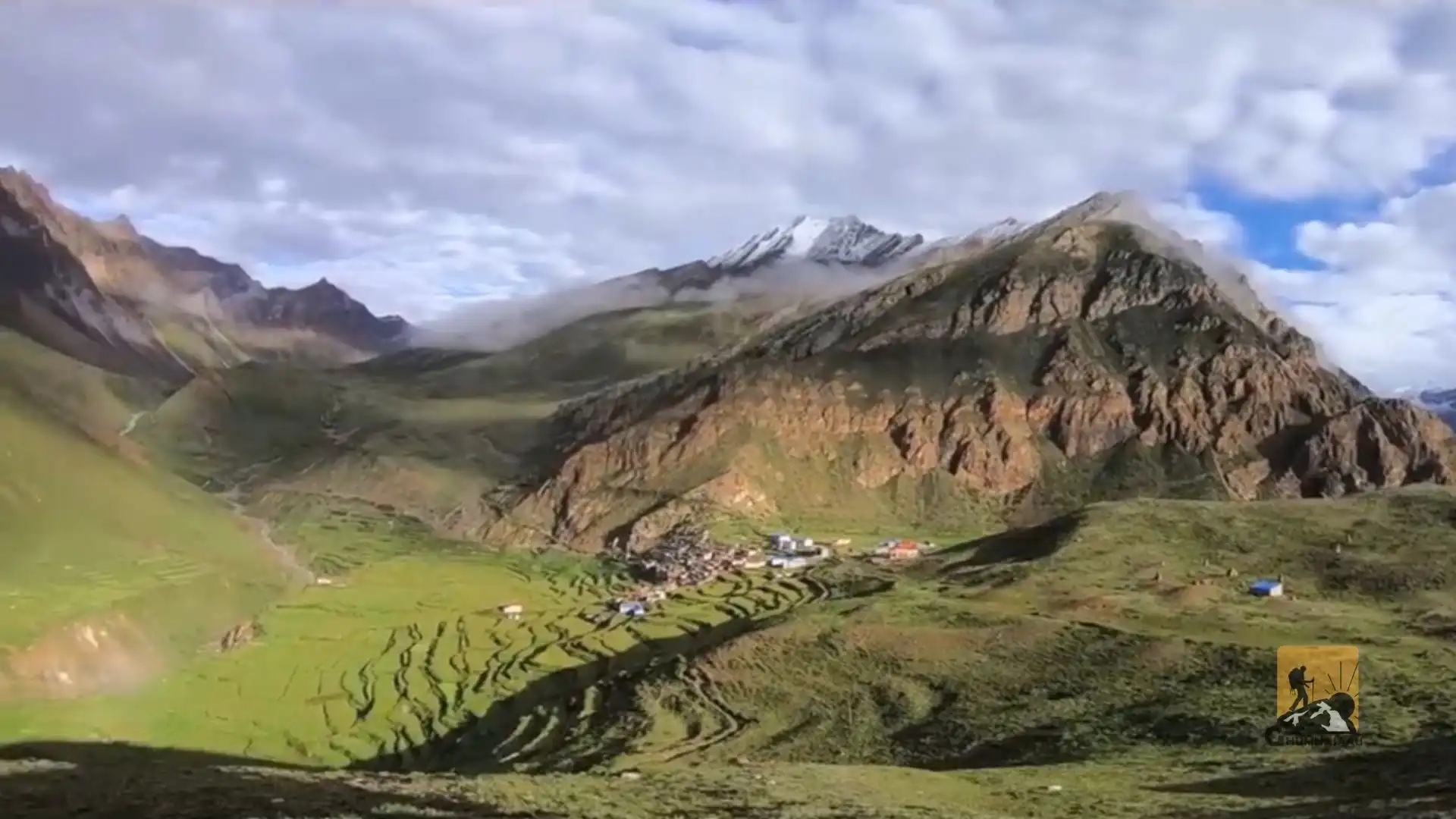
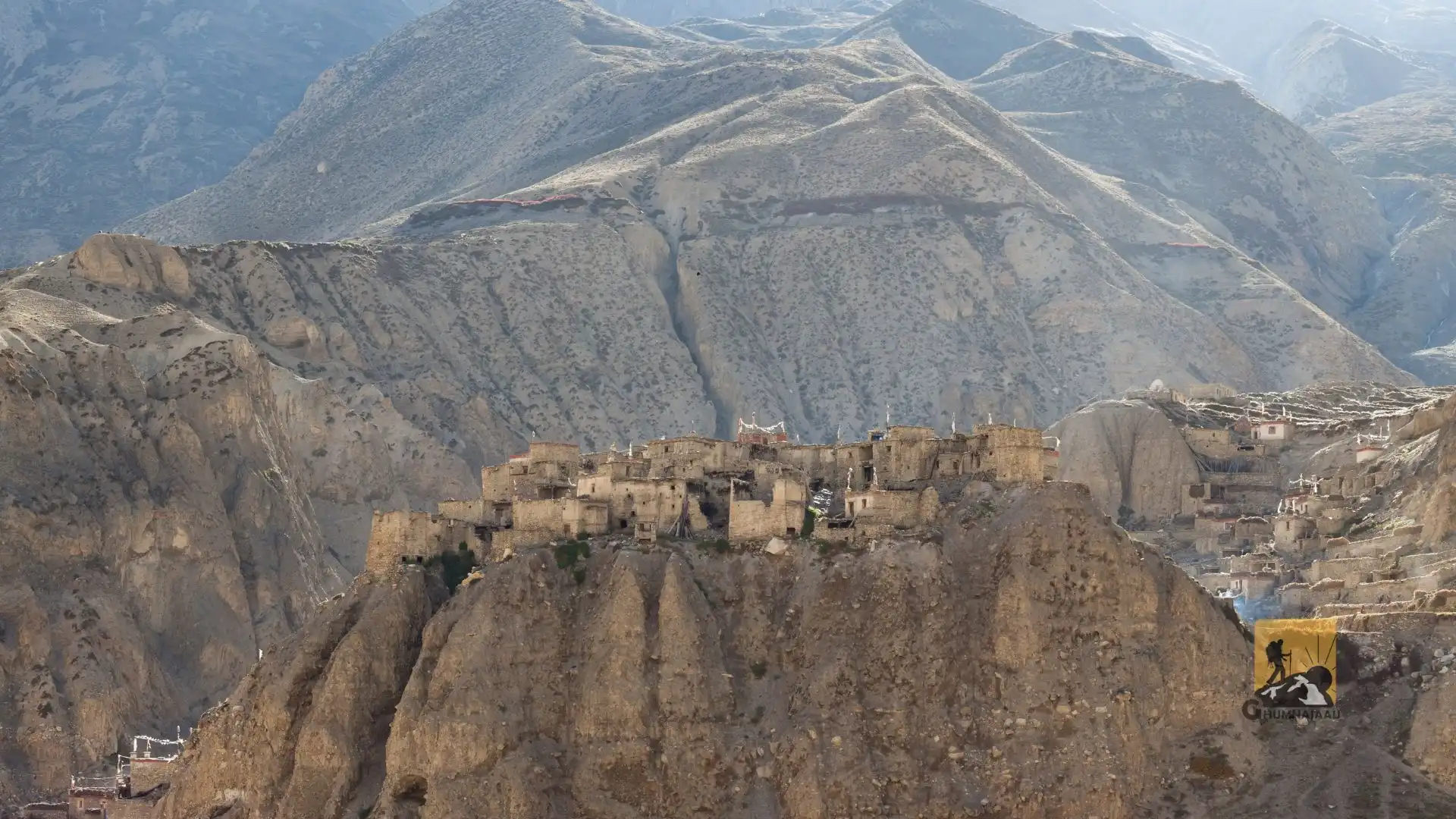
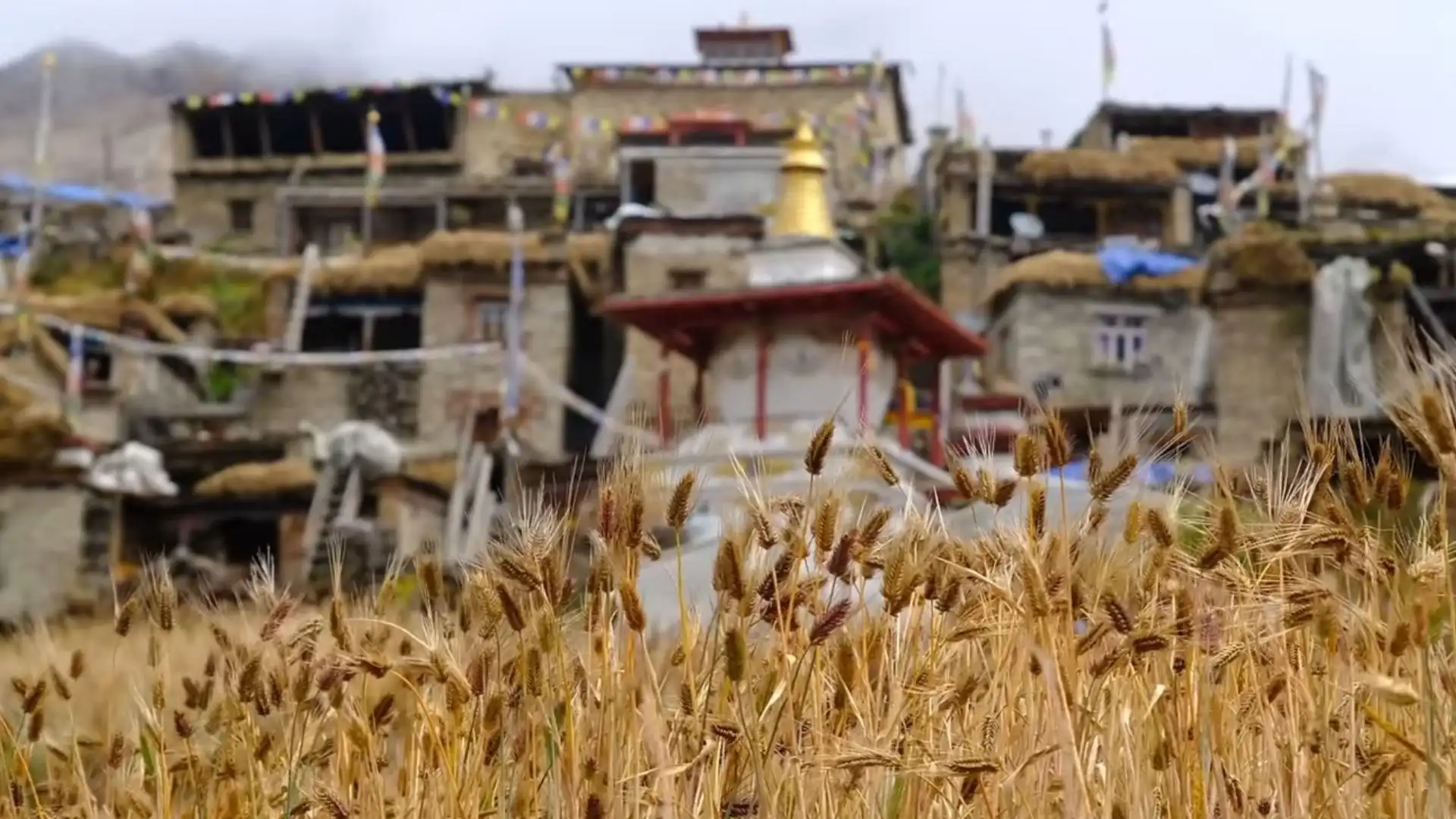
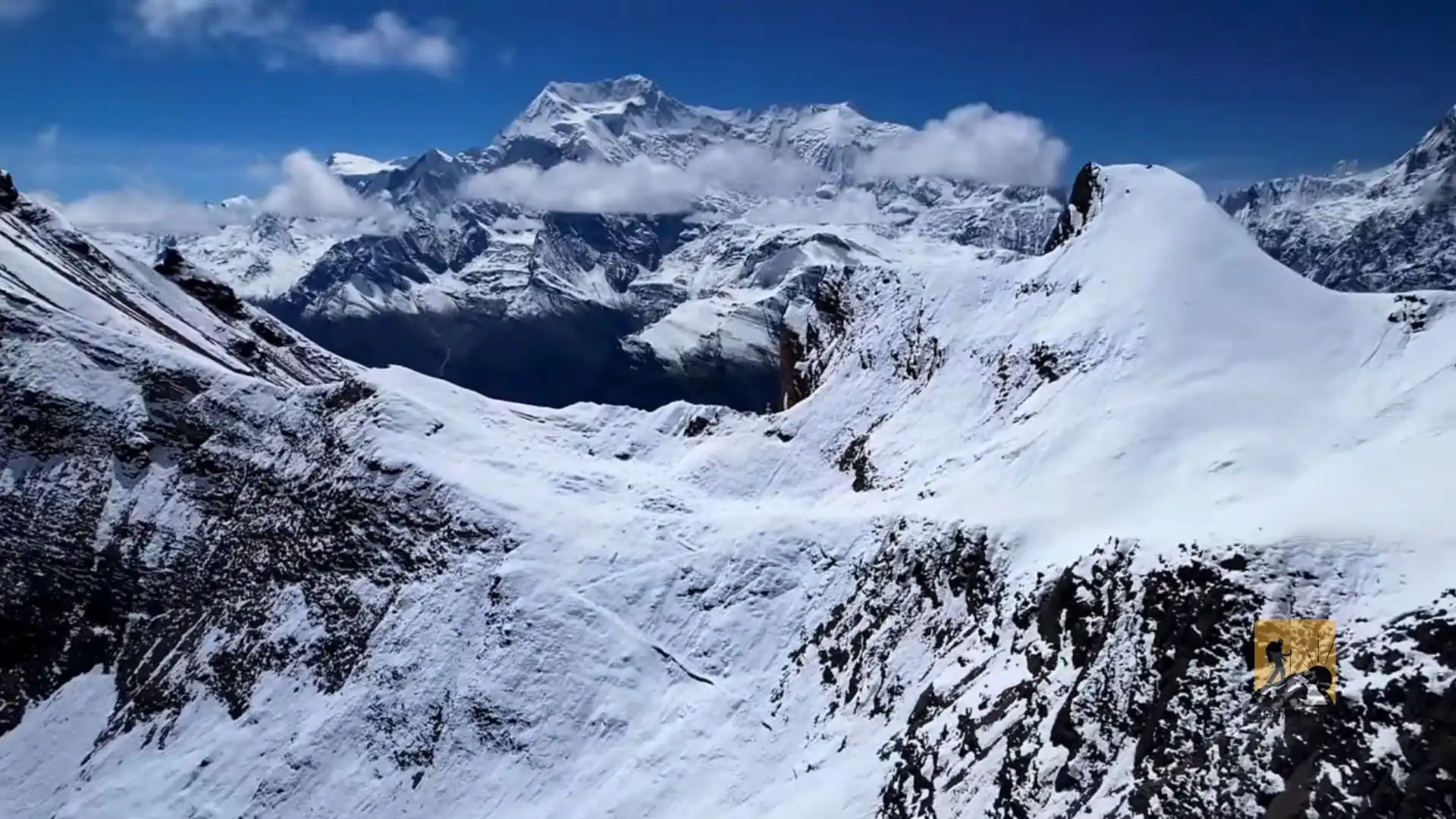
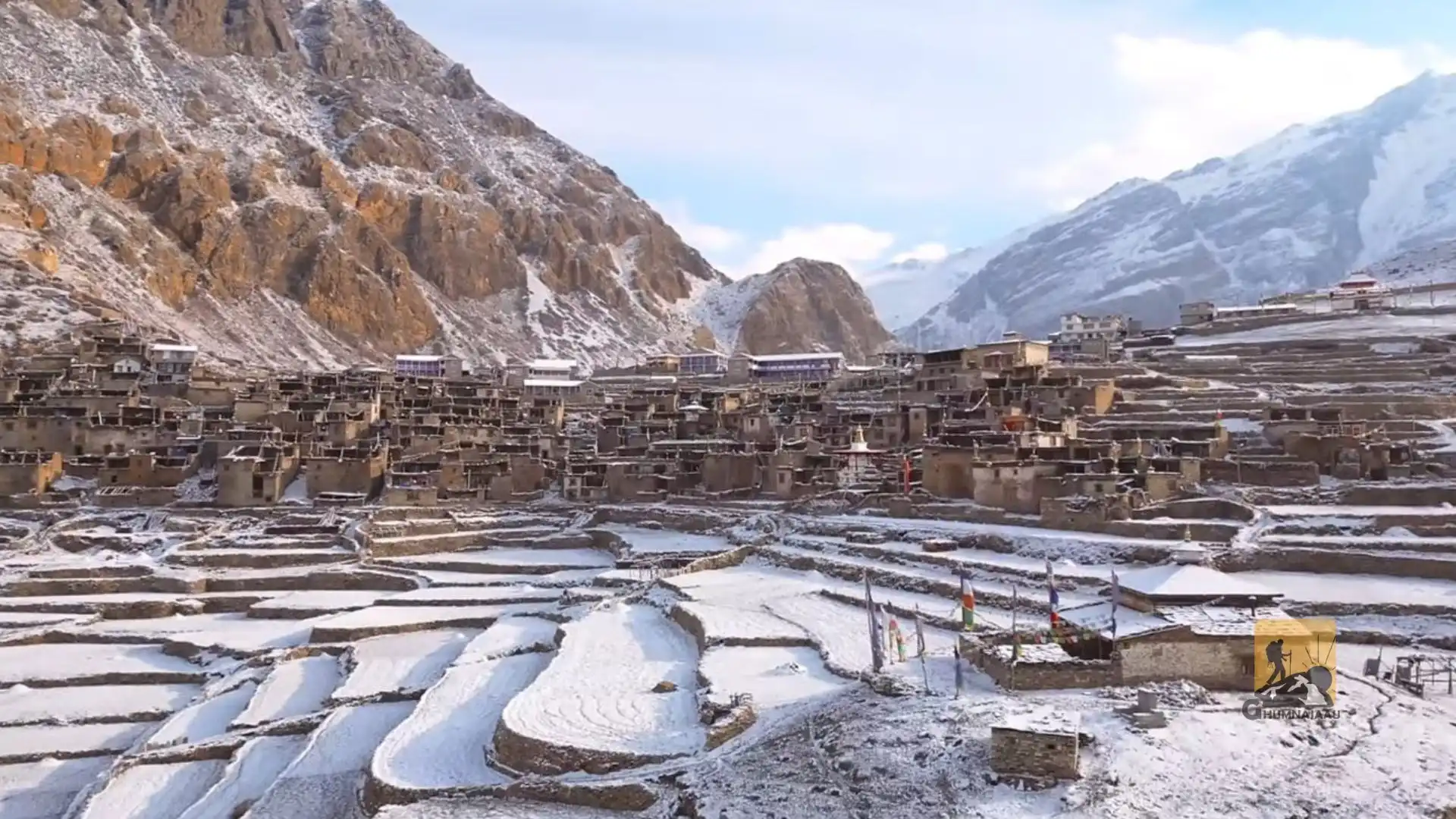
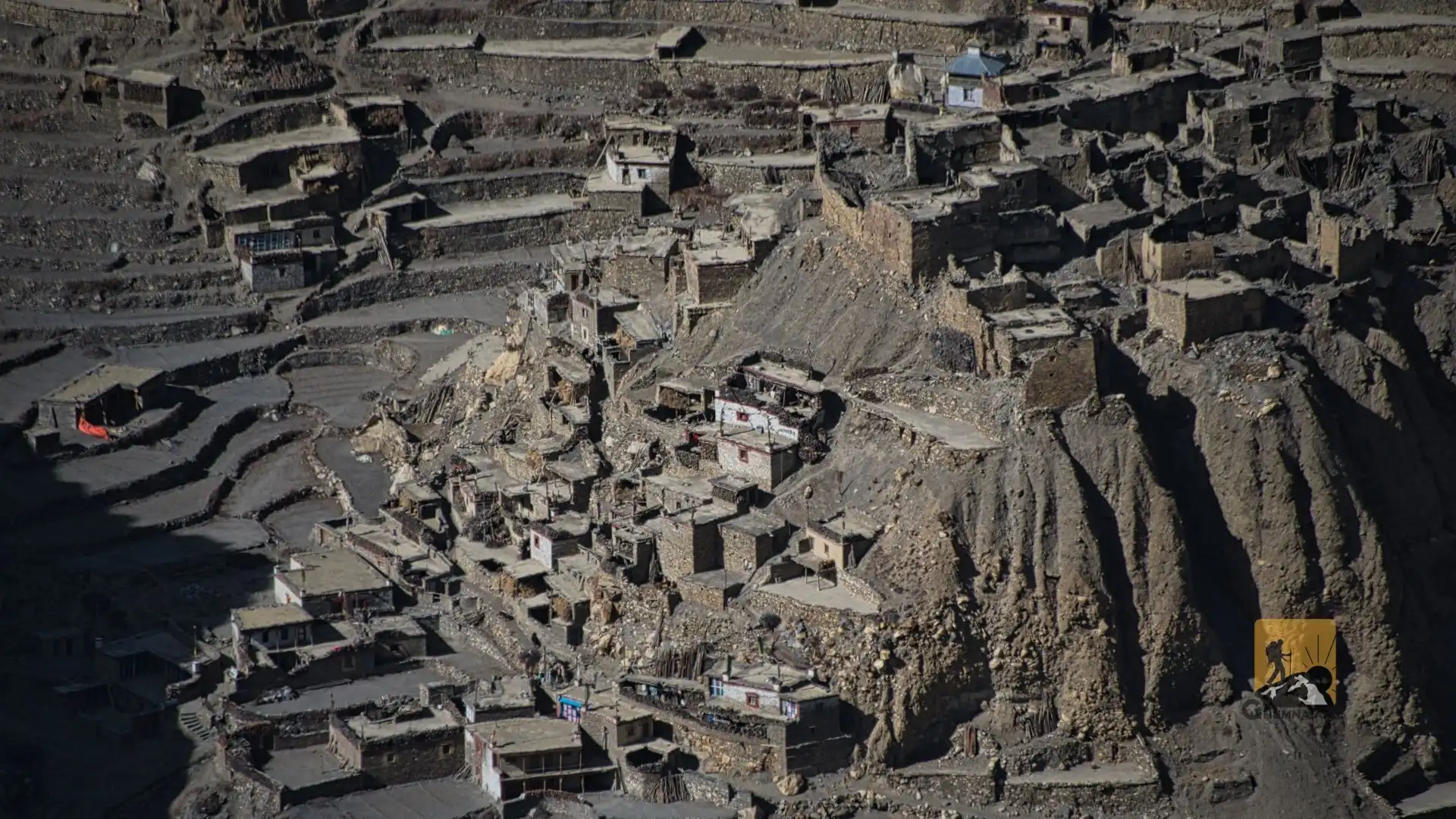
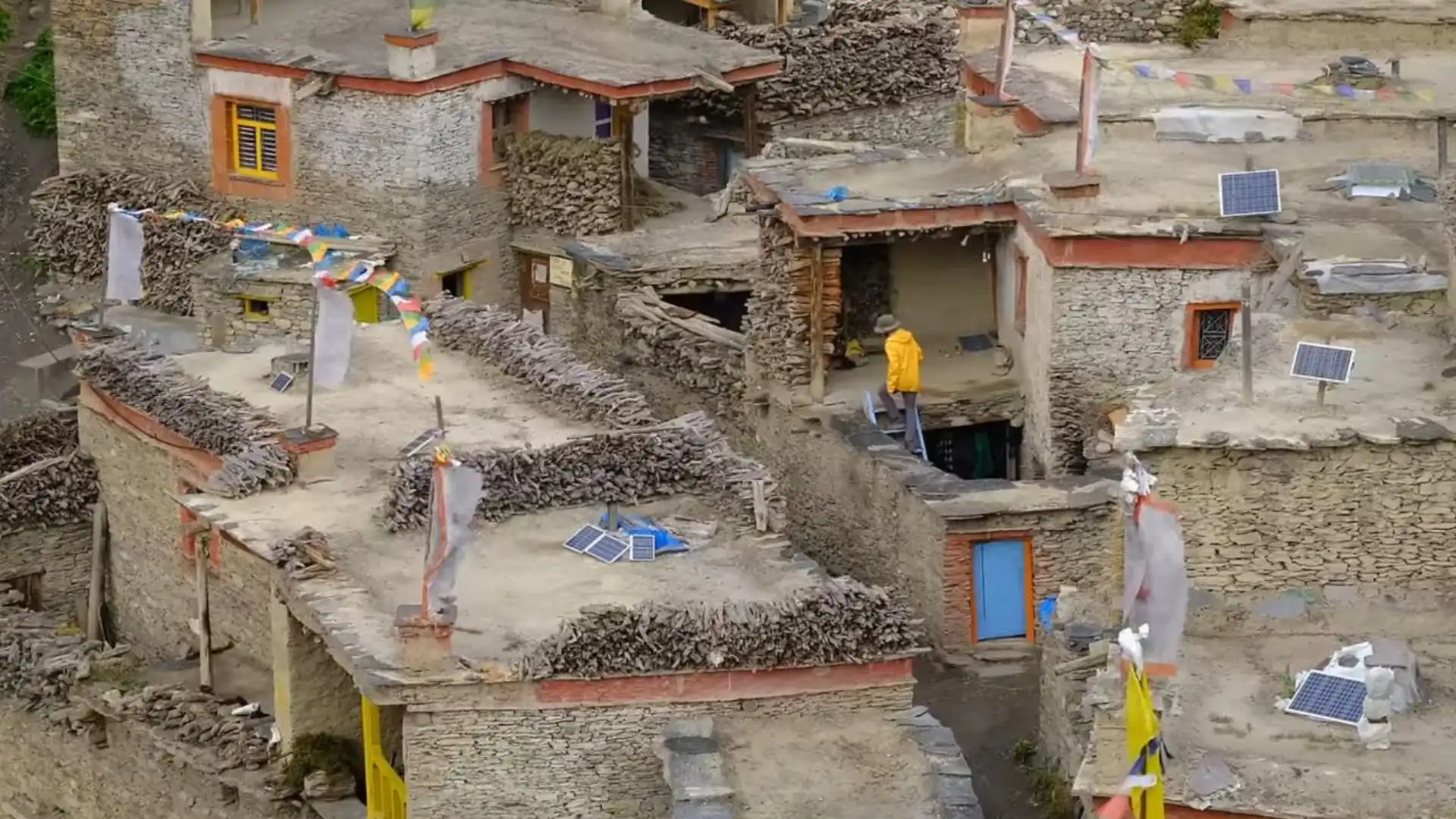
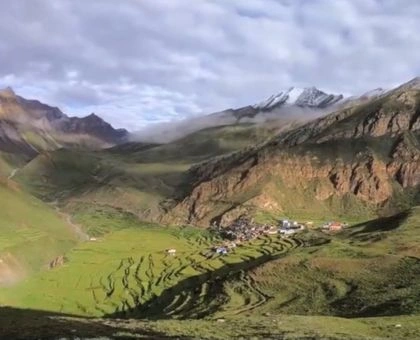
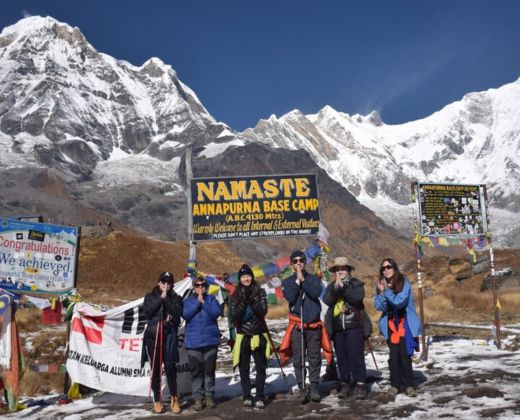
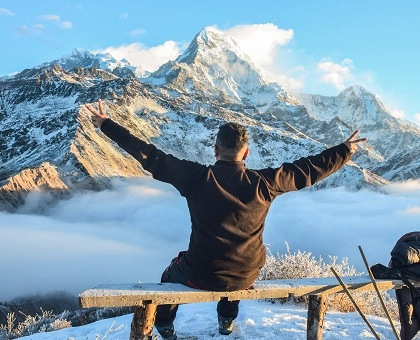
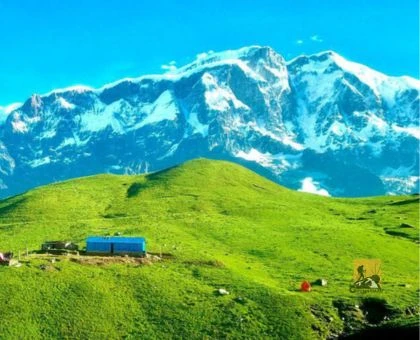
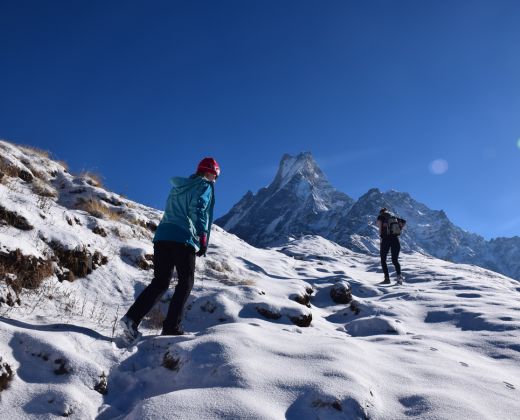
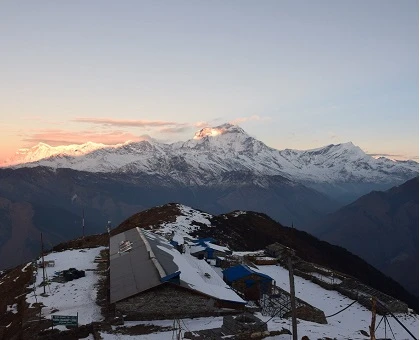
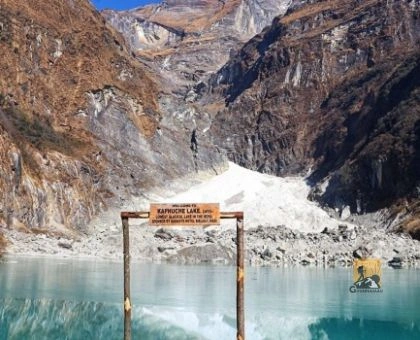
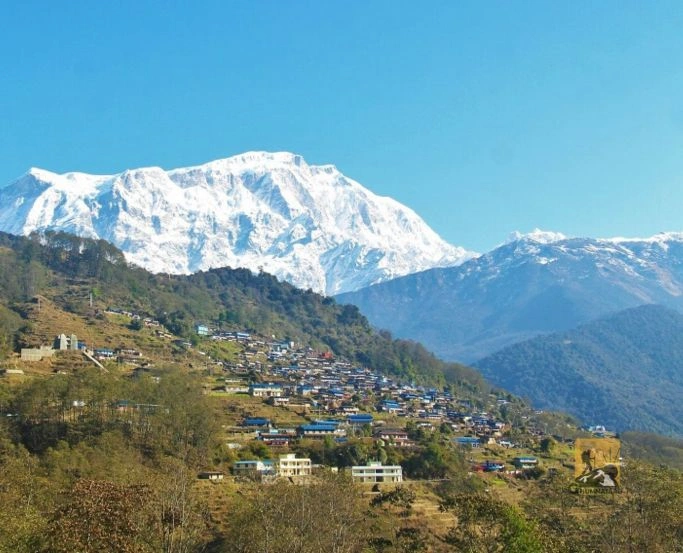
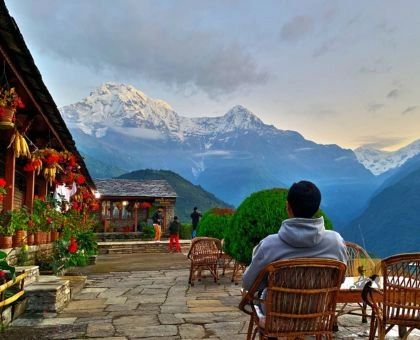
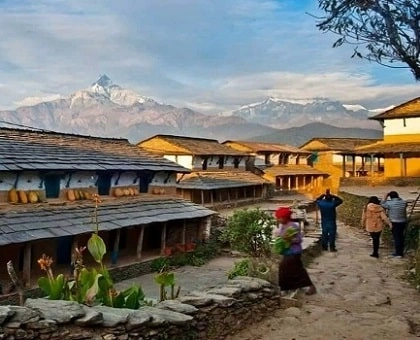
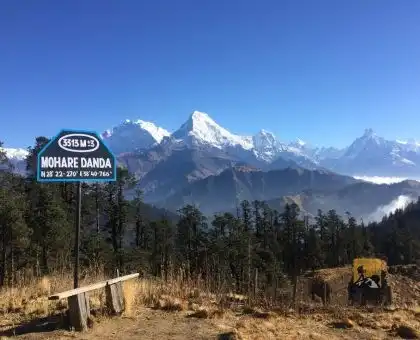
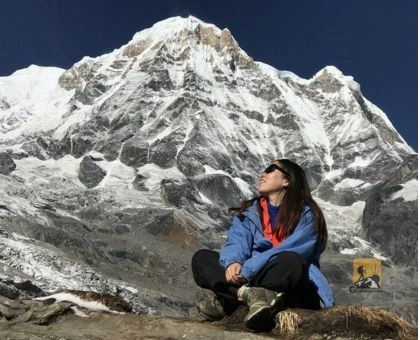
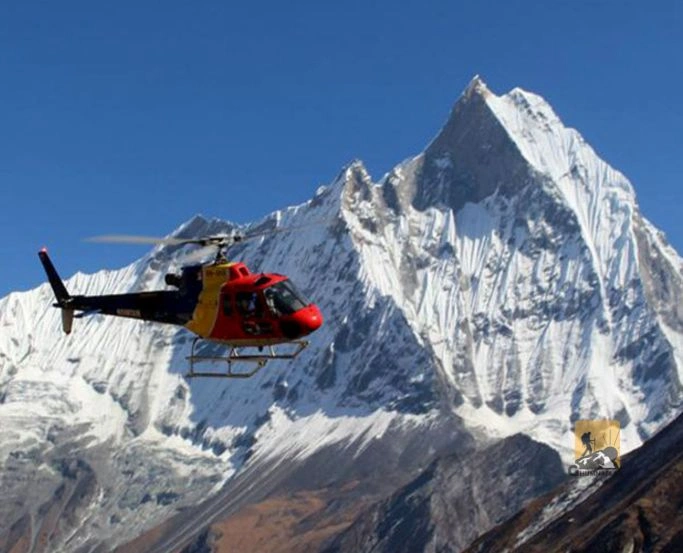
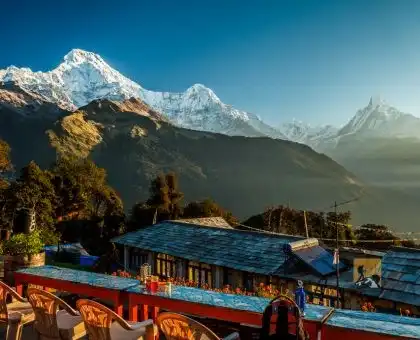
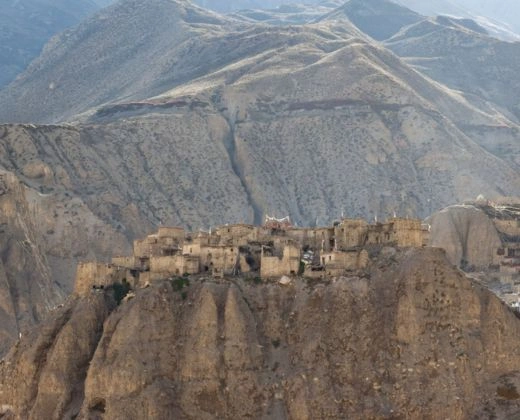
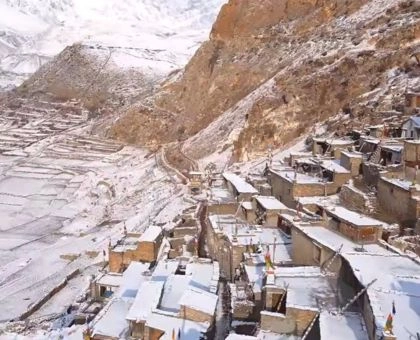
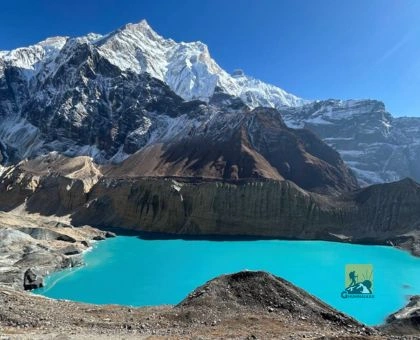
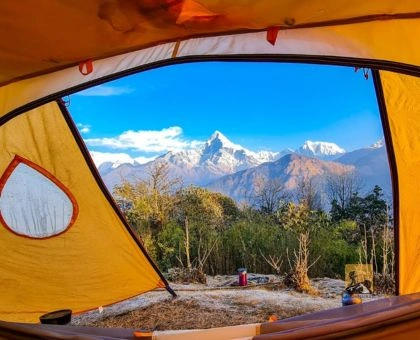
Hidden beyond the classic Annapurna trails lies the mystical Nar & Phu - a remote Himalayan wilderness where ancient Tibetan culture, dramatic canyons, yak caravans, and untouched mountain villages create one of Nepal’s most authentic trekking experiences. This adventurous journey takes you deep into isolated valleys beneath towering Himalayan peaks, crossing the spectacular Kang La Pass while discovering centuries-old monasteries, breathtaking landscapes, and the warm hospitality of the local people.
The Nar & Phu Trek is one of Nepal’s most unique and culturally rich trekking adventures. Located in the remote northern part of the Annapurna region near the Tibetan border, this restricted area remained isolated from the outside world until recent decades. Even today, the region preserves its ancient traditions, untouched landscapes, and authentic Himalayan lifestyle.
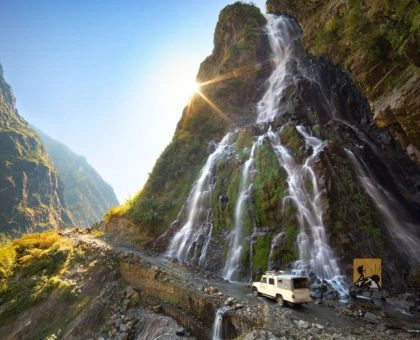
The journey begins with a scenic drive from Kathmandu through lush hills, rivers, waterfalls, and terraced farmlands to the Marsyangdi Valley. From Chame, the trail leaves the busy Annapurna Circuit and enters the secluded Nar Phu region through narrow canyons and rugged mountain paths.
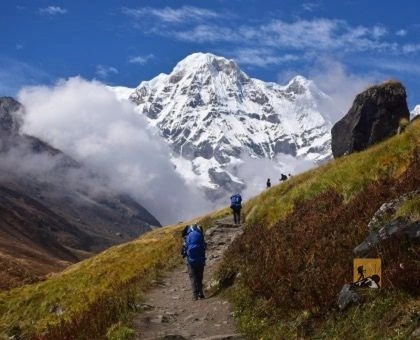
As you ascend higher, the scenery changes dramatically. Dense pine forests give way to barren cliffs, colorful rock formations, glacier valleys, alpine meadows, and windswept plateaus. The hidden villages of Meta, Phu, and Nar showcase a fascinating Tibetan Buddhist culture where locals still practice yak herding, trans-Himalayan trading, and traditional farming.
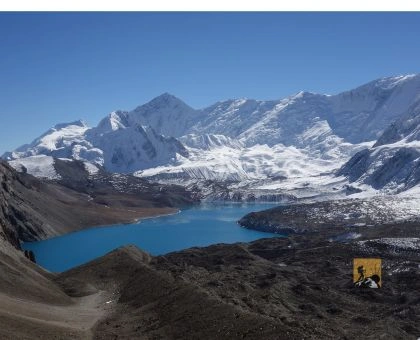
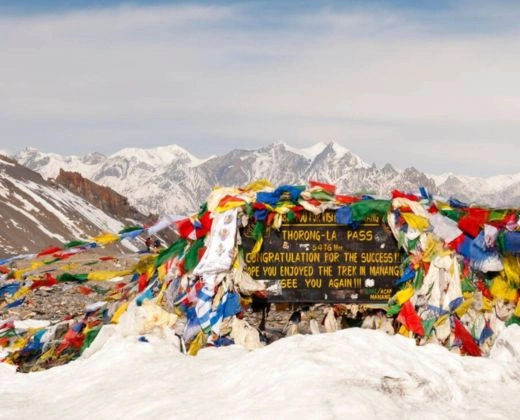
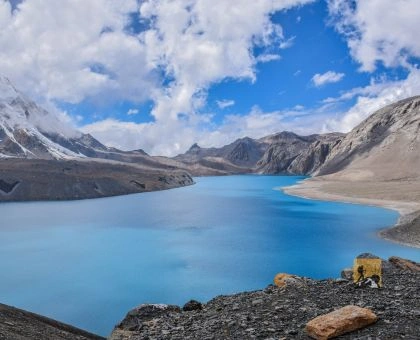
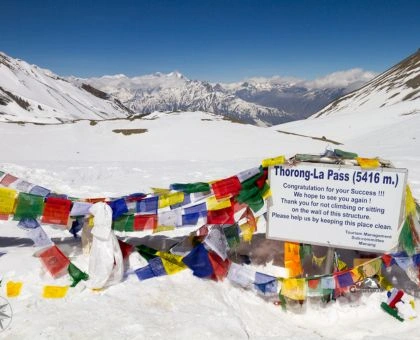
One of the most rewarding moments of the trek is crossing the Kang La Pass (5,130m), offering breathtaking panoramic views of Annapurna II, Gangapurna, Tilicho Peak, and the Annapurna range. Along the route, trekkers encounter ancient monasteries, prayer flags, mani walls, Buddhist chortens, and untouched Himalayan wilderness rich in biodiversity.
This trek is ideal for adventurous travelers seeking remote mountain experiences, cultural immersion, and spectacular Himalayan scenery far from mainstream trekking routes.
The Nar & Phu Trek stands out as one of Nepal’s most exclusive and less crowded trekking adventures. Unlike popular commercial trekking routes, this journey offers true wilderness, authentic Tibetan culture, and untouched Himalayan beauty.
What Makes This Trek Special?
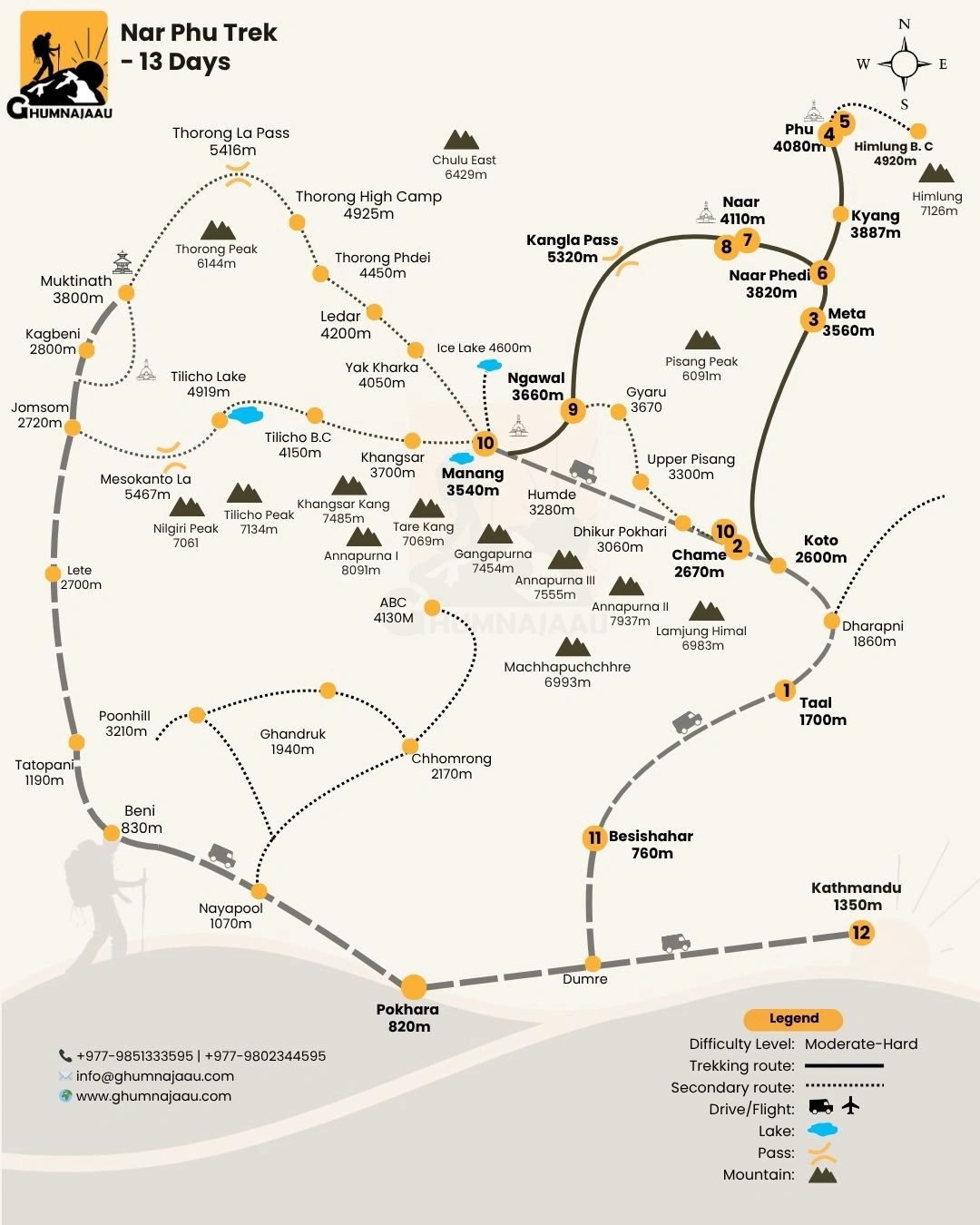
Day 01 Drive Kathmandu (1,350m) to Besi Shahar/Chyamche (1,470m / 4,822ft) - 7 hrs
Day 02 Drive to Chame (2,620m / 8,596ft) - 5 hrs
Day 03 Trek to Meta (3,230m / 10,597ft) - 6 hrs
Day 04 Trek to Phu Village (4,050m / 13,287ft) - 6 hrs
Day 05 Explore Phu & Himlung Base Camp (4,050m / 13,287ft) - Full Day
Day 06 Trek to Nar Phedi (3,820m / 12,533ft) - 6 hrs
Day 07 Trek to Nar Village (4,150m / 13,615ft) - 4 hrs
Day 08 Explore Nar Village & Monasteries (4,150m / 13,615ft) - Full Day
Day 09 Trek to Ngawal via Kang La Pass (5,130m / 16,831ft) - 7–8 hrs
Day 10 Trek/Drive to Chame (2,670m / 8,760ft) - 5–6 hrs
Day 11 Drive to Besisahar (760m / 2,493ft) - 6 hrs
Day 12 Drive to Kathmandu (1,400m / 4,593ft)- 6–7 hrs
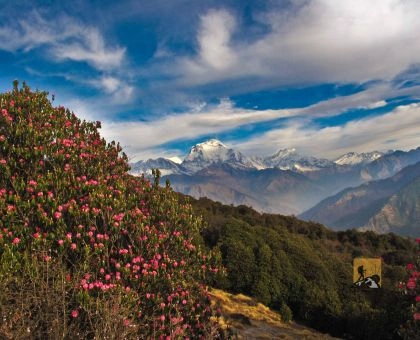
Spring (March to May) - Spring is one of the best seasons for the Nar Phu Trek. The weather is stable with clear mountain views, blooming rhododendrons, and comfortable trekking temperatures.
Autumn (September to November) - Autumn offers crystal-clear skies, dry trails, and stunning visibility of the Himalayas. It is the most popular trekking season in Nepal.
Winter (December to February) - Winter trekking is possible but temperatures can drop below freezing at higher elevations. Heavy snow may affect Kang La Pass crossing.
Monsoon (June to August) - The lower trails can be wet and slippery, but Nar Phu lies in a rain-shadow area, making it relatively drier than other trekking regions.
The Nar & Phu Valley Trek is considered a challenging Himalayan trek suitable for physically fit trekkers with previous hiking experience.
Trek Difficulty Includes:
Trekkers should maintain good physical fitness and prepare for high-altitude conditions. Proper acclimatization, hydration, and a steady walking pace are essential.
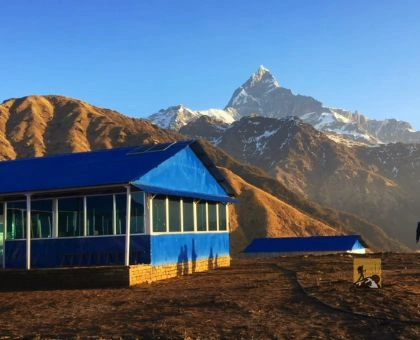
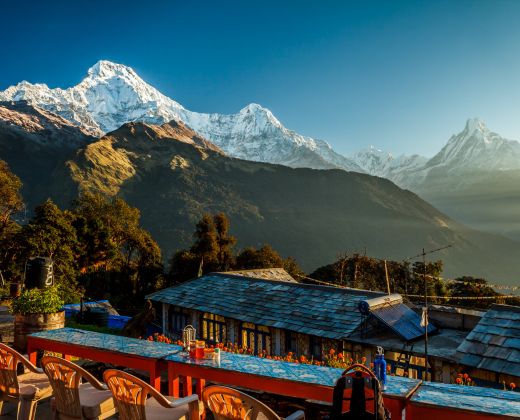
Accommodation during the trek is mainly in traditional teahouses and local lodges. Rooms are simple but clean and comfortable considering the remoteness of the region.
Available Facilities:
Meals
The trek includes breakfast, lunch, and dinner with tea/coffee. Meals commonly include:
Nar and Phu valleys are home to deeply rooted Tibetan Buddhist communities whose lifestyle has changed little over centuries. The people maintain traditional customs through yak herding, mountain trade, weaving, and agriculture.
Trekkers can explore:
The isolated villages offer a rare glimpse into a preserved Himalayan civilization.
Kathmandu to Trailhead
The journey begins with a scenic drive from Kathmandu to Besi Shahar and continues via rugged mountain roads to Chame by jeep.
Return Journey
After completing the trek, travelers drive back from the Annapurna region to Kathmandu via Besisahar.
Private jeep transportation can also be arranged for additional comfort.
Why Travelers Trust Ghumnajaau
Upon arrival at Tribhuvan International Airport in Kathmandu, We're grateful for the warm welcome extended by our official. We will take you to the hotel in our private tourist vehicle. Pre-trip meeting will be done and you will meet with your trip guide. Make sure to confirm your queries about trekking in the mountains.
This day will be marked the beginning of the trip. We will gather at meeting point and we will drive to Besi Shahar by private car/jeep. 175 km west from Kathmandu. Upon arrive in Besi shahar transfer to Hotel. Check in Hotel. Overnight at Hotel in Besi Shahar.
If you are joining with us from other cities. We will meet & assist in Besi Shahar. If you are unable to arrange vehicle/flight from your city to Besi Shahar. We arrange it as your preference. Upon arrived in Besi Shahar. Our representatives will pick you up from Bus Station to Hotel. And Check in Hotel (Check in time after 12:00 noon). Our guide will meet you and brief you about your trip in the lobby of your hotel in the evening. Get familiar with your surroundings by taking a walk down the street.
After breakfast drive to Chame with observing most amazing waterfalls, Marshyangdi gorges, and Chyamche hot spring. It takes 5 hours for 65.7km. This day you will get to experience most adventure drive on dirt track where road passes through rocky hill and Marshyangdi River gorge
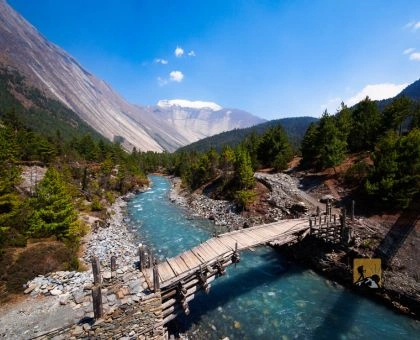
Today we take a different trail onto the Annapurna Circuit. Today we have a long and somewhat difficult day before us. We past the check post and cross a bridge leading to the Nar Phu valley, and hike up through beautiful woods above the Phu Khola (river). The trail leads us through some beautiful forests and passes several small shelters (caves) and a pilgrims’ shelter ('Dharmasala'). As we approach a narrow canyon, the trail actually passes under a wide waterfall just before the Dharmasala from where the woods start to become thinner. We stay overnight at Meta in Tea House.
After breakfast, the trail climbs up the valley along a small scenic river which might be one of the loveliest walks in the Himalayas. This brings us finally to high pasture plateau, the winter settlement of Nar. The landscape is similar to the Sierra Nevada; white rocks, low shrub and juniper, scattered evergreens, delicate brick-red and orange leafed bushes, crumbling shelves of flat slate, white, sandy trails and gnarled trees. Then the trail goes to through the Meta, Junam and Chako semi-permanent settlement. One settlement is where "Khampas" from Tibet are sometimes sheltered. Above and to the right looms a massive glacier, which falls directly down on the high pastures. Many more ups and downs take us to tonight's campsite at Kayang, where grass lies tied in bunches to dry on all the rooftops and prayer flags flutter in the breeze. Then, the trail goes for a while along the riverbank and we can really see some unique and colorful Chortens, a Buddhist monastery, along with unique landscapes for which Nar and Phu are justly famous. Then our trek moves on through scenic canyon lands and gorges where the "leaning tower of Pisa" monolith guards the steep trail up to the Phu gate. This gate, called Pupigyal Kwe, offers first view of the three villages of Phu. We can also see an old "Dzong" (fortress) and the remains of two other forts, all now in ruins, but impressively situated atop the flatland before Phu. Stay overnight in tented camp.
.
We walk around to explore the Phu Village. Here remains a unique culture - people’s day-to-days livelihoods are still conducted in the traditional manner. Meet some of the locals and explore up the wide valley systems above us. A day is well spent sitting with the villagers as they spin their yak and sheep wool and chat, pound mustard seeds into a paste for oil, or involve themselves in the numerous activities that constitute a day in the life in a Tibetan village. For photographers, the light here is spectacular and the skies are a deep blue. We may even see some blue sheep on the nearby hillsides. The century old monastery and fort also remarkable. While we wander the village we will probably receive an invitation into someone's home for some authentic Tibetan salt butter tea, or perhaps a small glass of local 'raksi'.
After breakfast, we head back through the Phu gate and then descend again to the river. From there we retrace steps back to Junam Karka, a lovely campsite. In 2001 we camped with some Phu residents (all but one woman) on their way back up to Phu with huge loads of flat timber from the forest. The evening was filled with Tibetan and Manangi songs in the smoky shelters accompanied by that unique Tibetan laughter. We are staying at overnight at Nar Phedi.
Below us sit Gyalbu Kumbu, built in 1650, and Satte gompa, both now empty. Now there are four old and colorful traditional monasteries and the snow-peaks are looming overhead. Finally we reach the Nar gate at the top of the hill. The sights of wonderfully painted, bamboo-topped Chortens await us there. The camp will set up after 3/4hours walking.
Today is an adventurous day as we make our way towards the Kang La Pass (5,315m). This is not so difficult in itself but it can make for a long and difficult day if there is snow on the pass or the altitude is taking its toll. The Kang La Pass offers absolutely spectacular view of Annapurna II, Gangapurna, the Tilicho peak, and the peaks surrounding Tilicho, the Marsyngdi valley, and the Hunde airport. The trail heads down lightly and we get many enjoyable views of Ngawal with an unusual grouping of Chortens and prayer flags. We can see marks for meditation caves far up in the hills, on the upper Pisang route of the Annapurna circuit which can be reached in as little as two hours from the pass. We now have finished the camping section of the trek here, and head for a guest house for the night.
After breakfast the trail slowly climbs up to through valley with pine and juniper forest to the Tibetan-styled village of Bryaga (3,500m). Here we will see houses stacked one atop the other, each with an open veranda formed by a neighbor’s rooftop and the gomba (monastery), perched on a high crag overlooking the village. Then we continue through very arid countryside, dominated by weird cliffs of yellow rock, eroded into dramatic pillars alongside the trail to reach today’s destination - the Manang village. Here shops are unexpectedly well stocked with all sorts of things.
Early in the morning take breakfast and trek to Manang. It takes 5 hours. Take lunch & drive to Chame. Overnight at Lodge.
After completing the exhilarating adventure trip from Manang to Tilicho, the journey continues with a thrilling drive down to Besisahar. As you traverse the rugged terrain, navigating narrow rocky dirt tracks, each turn offers a new adrenaline rush and breathtaking views of the surrounding landscape. Upon reaching Besisahar, the headquarters of Lamjung district, take a well-deserved break and enjoy a delicious lunch to refuel for the remaining journey. From Besisahar, embark on the final leg of your trip as you drive towards Kathmandu, reminiscing about the unforgettable adventures and natural wonders encountered along the way. As you journey back to the bustling capital, carry with you cherished memories of the Himalayan wilderness and the camaraderie forged during the expedition.
As your exhilarating 13-day Nar & Phu village in the Annapurna region draws to a close, we extend our sincerest gratitude for choosing Nepal as your destination. Today marks the conclusion of your unforgettable exploration in the restricted zone Nar-Phu and beyond.
Our dedicated airport representative will be there to accompany you to the International Airport, ensuring a smooth transition for your journey back home.
As you depart, we bid you farewell with warm wishes and heartfelt gratitude for the memories shared during your time in Nepal. We hope that your experiences in the Annapurna region have left a lasting impression, and we eagerly await the opportunity to welcome you back to Nepal in the future.
Safe travels, and until we meet again, Namaste!
Yes. Nar Phu is a restricted area, so trekkers require a Restricted Area Permit along with ACAP and TIMS permits.
It is considered a challenging trek due to high altitude, remote trails, and long walking days.
The highest point is Kang La Pass at 5,130 meters (16,831 feet).
Previous high-altitude trekking experience is highly recommended for this trek.
Yes. Restricted area trekking in Nar Phu requires a licensed guide.
Basic teahouses and lodges are available throughout the trek with simple but comfortable facilities.
Yes. Proper acclimatization and hydration are important to minimize altitude-related risks.
Yes, but charging facilities may be limited and extra charges may apply in remote villages.
Spring (March–May) and Autumn (September–November) are the best trekking seasons.
Limited Wi-Fi and mobile network coverage are available in some villages but may not be reliable.

Our Nar Phu Valley trek with Ghumnajaau Pvt. Ltd. was truly an unforgettable adventure! The remote trails, beautiful villages, and warm local hospitality made this journey special. Everything was well-organized, from permits to accommodation and meals. A special thanks to Nir Saru, our journey companion, for his care, guidance, and friendly company throughout the trek. His knowledge and professionalism made us feel safe and inspired every day. Highly recommend Ghumnajaau to anyone looking for an authentic Himalayan trekking experience in Nepal!