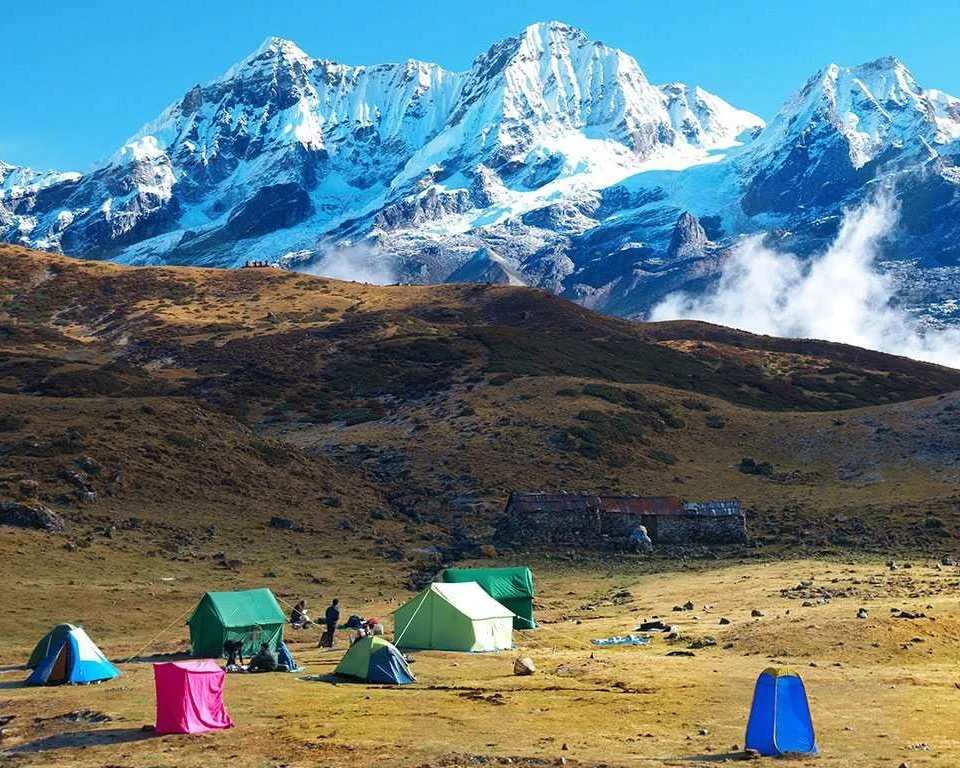
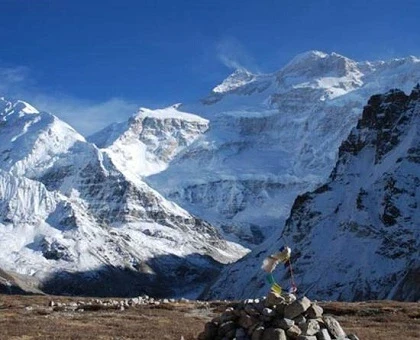
Far beyond the crowded trekking trails of Nepal lies a hidden Himalayan world where ancient Tibetan culture, untouched alpine valleys, and dramatic mountain landscapes remain beautifully preserved. The Olangchung Gola & Yangma Valley Trek is a rare adventure into the remote Kanchenjunga region, leading trekkers through traditional mountain villages, high mountain passes, yak pastures, dense forests, and isolated valleys beneath towering Himalayan peaks. Perfect for travelers seeking authentic wilderness, cultural immersion, and peaceful off-the-beaten-path trekking experiences, this journey offers one of Nepal’s most rewarding hidden trekking adventures.
The Olangchung Gola & Yangma Valley Trek is one of Nepal’s most remote and culturally fascinating trekking adventures located in the eastern Himalayas near the Tibetan border. This extraordinary journey explores the hidden valleys and ancient trade routes of the Kanchenjunga region, combining raw Himalayan wilderness with authentic mountain culture.
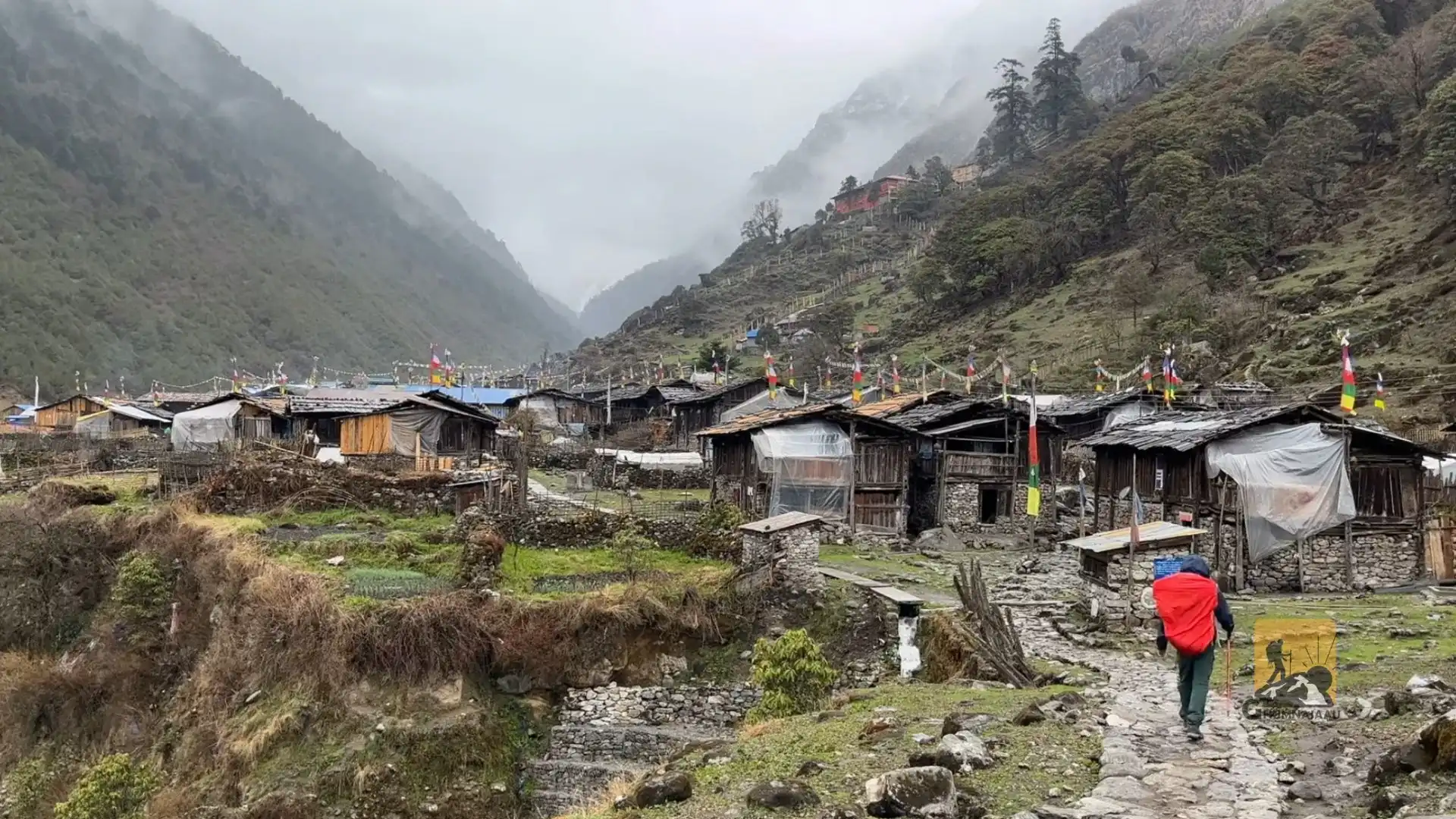
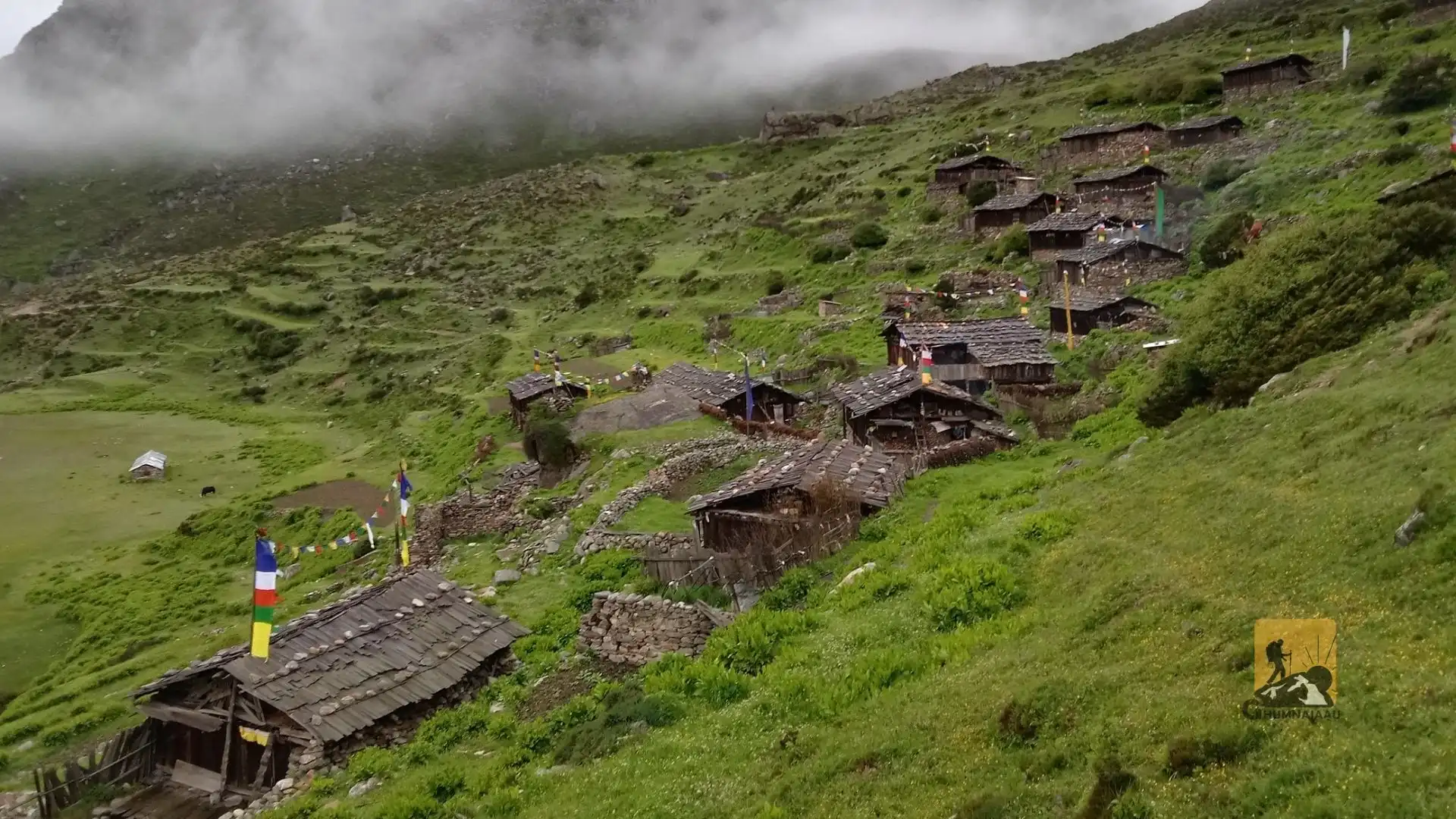
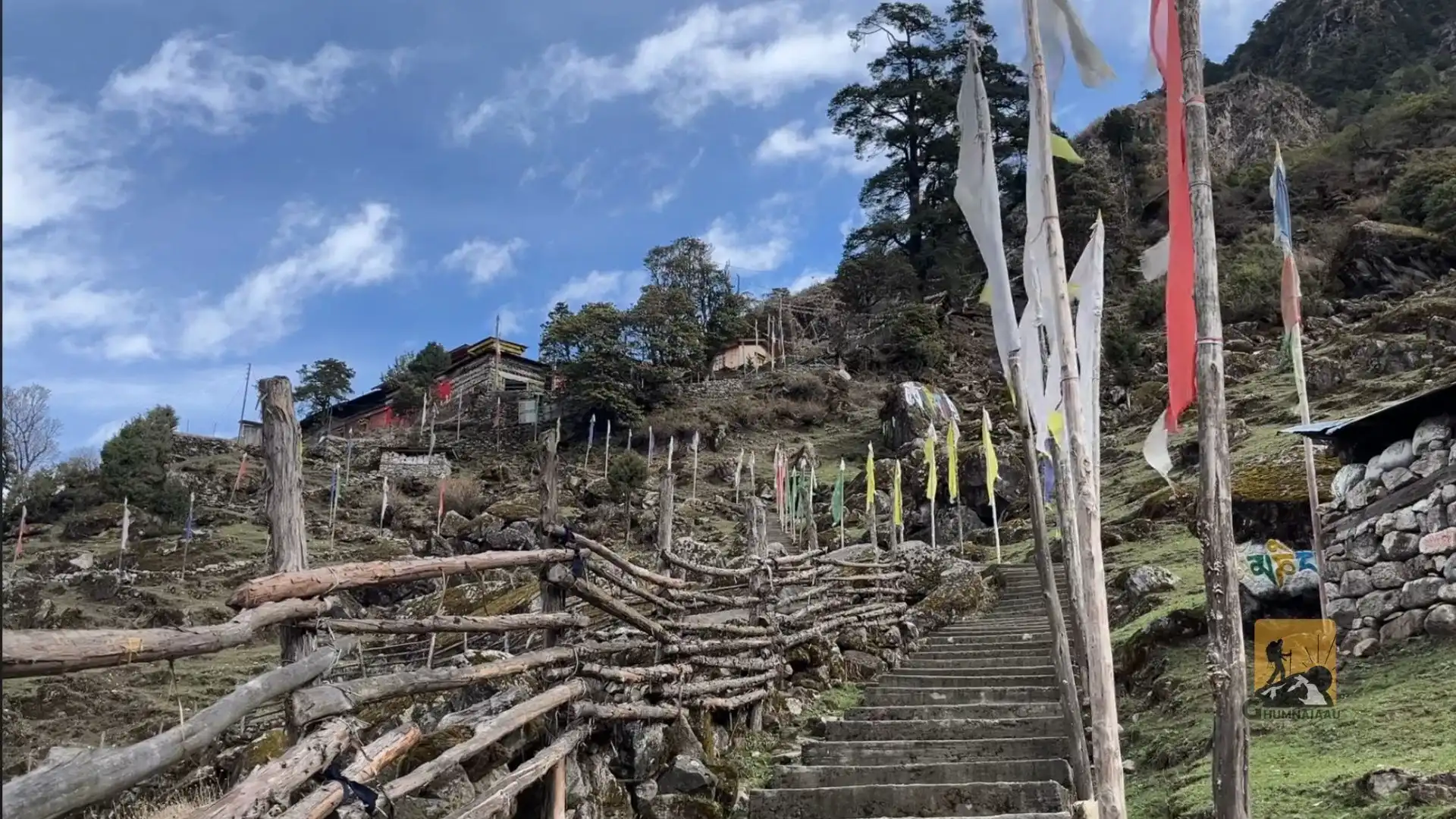
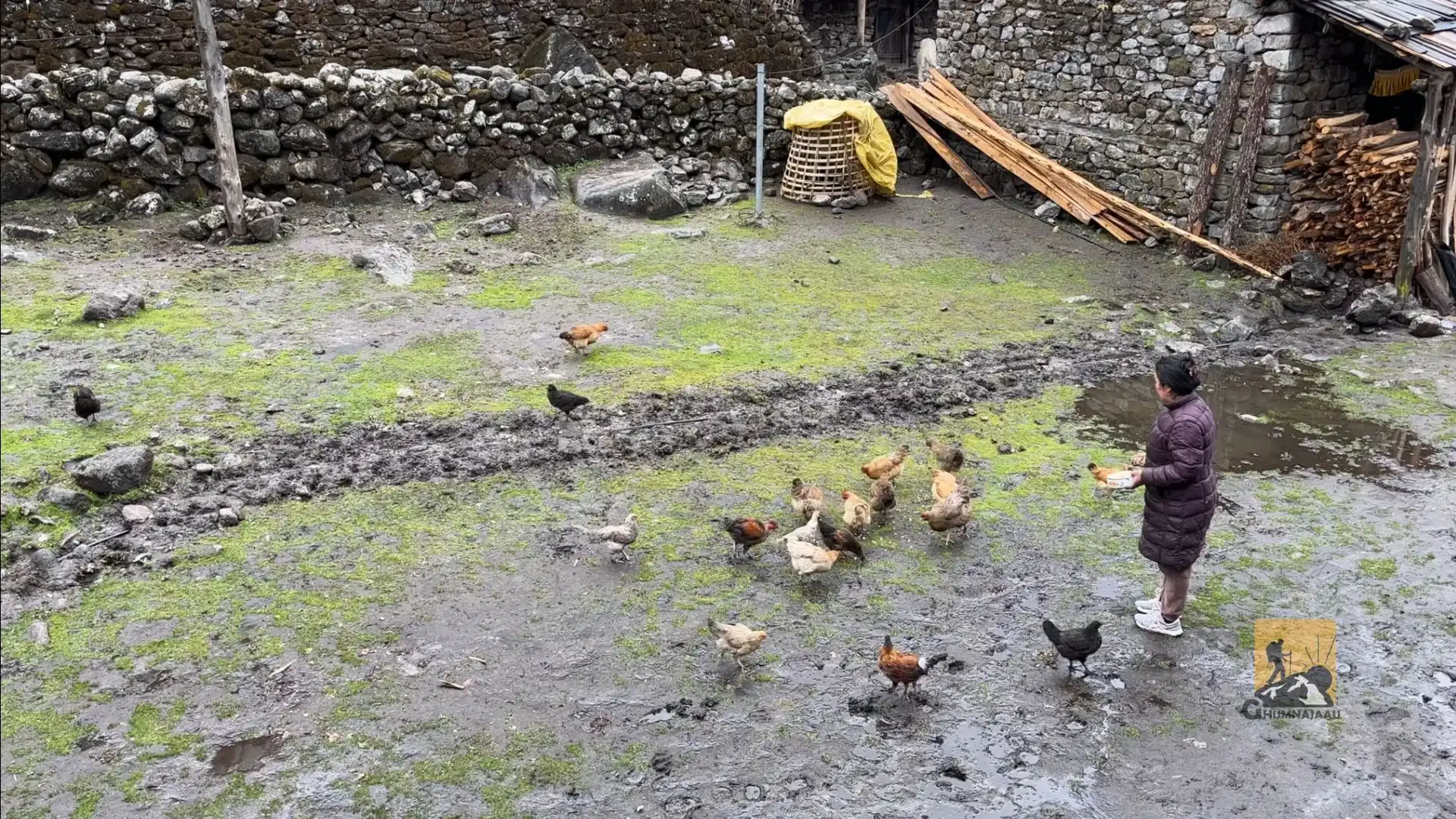
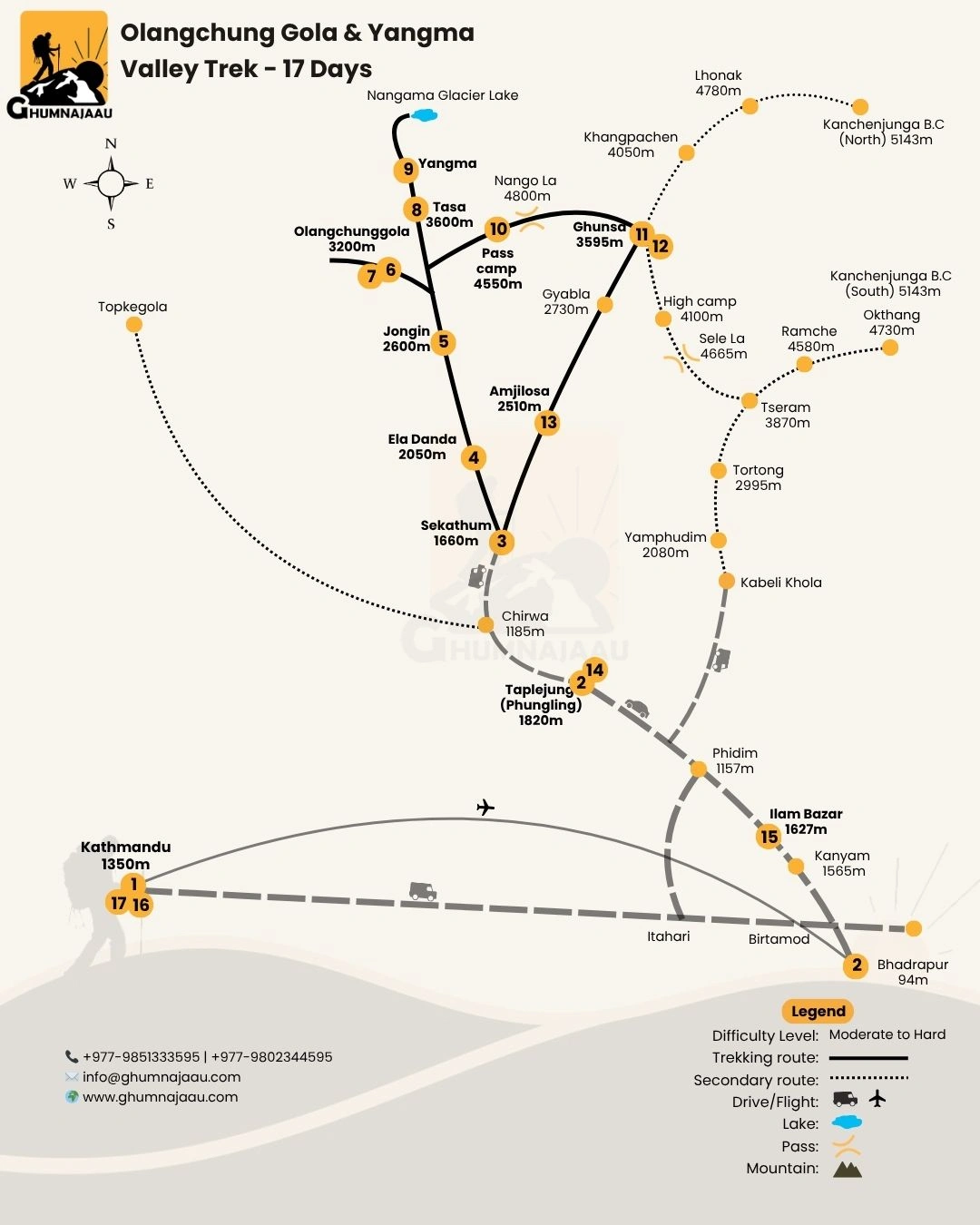
The trek begins with a scenic flight to Bhadrapur followed by a beautiful drive through tea gardens and rolling hills toward Taplejung, the gateway to eastern Nepal trekking. From Sekathum and Lelep, the trail gradually ascends through lush subtropical forests, suspension bridges, waterfalls, bamboo groves, and traditional Limbu and Rai villages. As the altitude increases, trekkers enter a more rugged alpine landscape filled with dramatic cliffs, glacier rivers, yak pastures, and pristine wilderness. One of the major cultural highlights is Olangchung Gola, an ancient Tibetan Buddhist settlement locally known as Walung. The village features centuries-old monasteries, stone-built houses, prayer flags, and a deeply preserved Himalayan lifestyle influenced by Tibetan traditions. The adventure continues toward the isolated Yangma Valley, a hidden high-altitude valley surrounded by snow-capped mountains and open grazing lands used by yak herders. This section of the trek offers unmatched solitude and untouched Himalayan scenery rarely experienced by trekkers. Crossing Nango La Pass (4,800m) and Phurlu La (4,747m) provides breathtaking panoramic views of Kanchenjunga, Jannu, and surrounding Himalayan peaks. The descent through Ghunsa Valley introduces trekkers to beautiful Sherpa settlements, rhododendron forests, monasteries, and peaceful mountain trails before returning to Taplejung.
This trek is ideal for travelers seeking adventure, cultural immersion, and remote Himalayan exploration away from commercial trekking routes.
Upon arrival at Tribhuvan International Airport, our team will warmly welcome you and transfer you to your hotel in Kathmandu. After check-in, take some rest and attend a short briefing about your trek and upcoming adventure.
Take an early morning scenic flight to Bhadrapur, offering panoramic views of the Himalayas. Upon landing, drive through lush tea gardens and charming towns to reach Taplejung, the gateway to the Kanchenjunga region.
After breakfast, drive along a rough dirt road through picturesque hills and terraced farmlands to Taplethok & Ranipul/Sekathum . En route, enjoy beautiful views and stop for lunch at a local teahouse.
Begin your trek following the Tamor River and gradually ascend through dense forest and terraced fields. You’ll pass traditional Limbu and Rai settlements before reaching Ela Danda, a peaceful spot ideal for camping.
After breakfast, continue your climb towards Jongin. The trail winds through rhododendron and bamboo forests, offering glimpses of distant snow peaks. This is your first camp away from villages, surrounded by pristine wilderness.
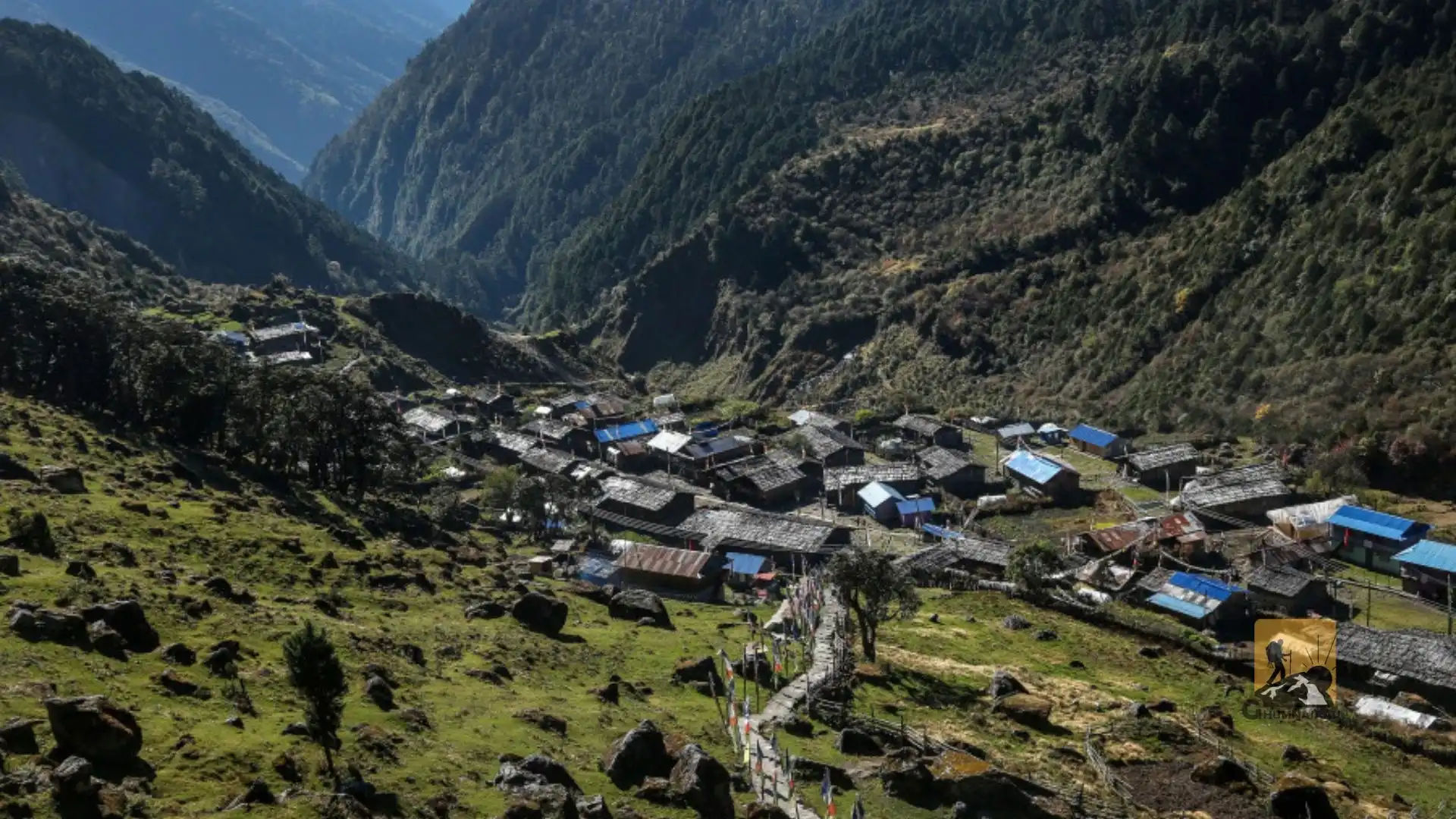
Today’s trek leads to Olangchung Gola—locally known as Walung—an ancient trading village near the Tibetan border. Explore traditional stone houses, ancient monasteries, and experience authentic local culture.
Spend a day acclimatizing and exploring Olangchung Gola. Visit the 450-year-old monastery, interact with locals, and learn about their unique lifestyle influenced by Tibetan culture.
Leaving the village behind, ascend through pine and juniper forests to reach the forest camp at Tasa. The trail provides serene mountain views and tranquil surroundings, perfect for camping.
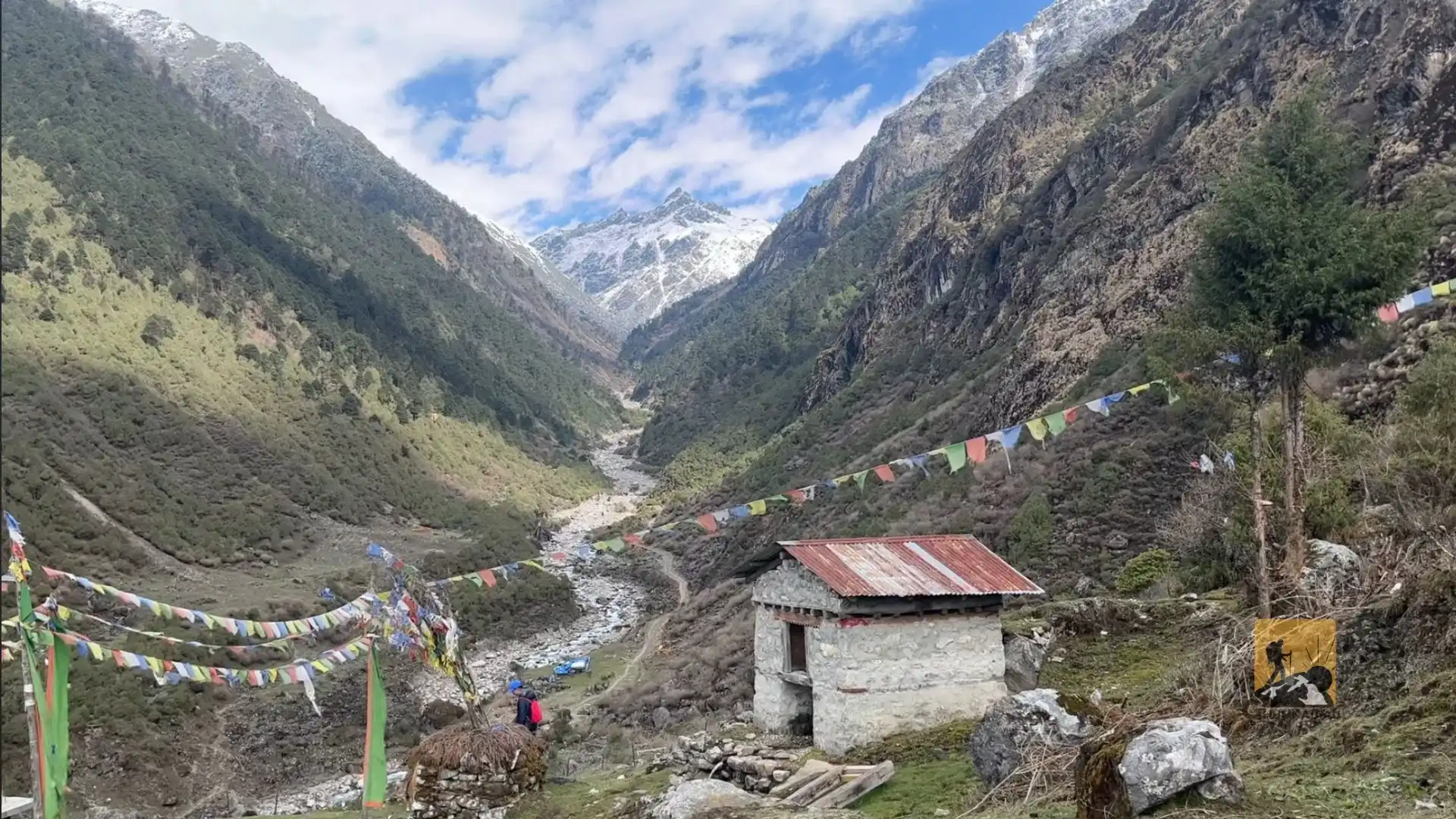
A beautiful trek takes you to Yangma, a remote yak-herding settlement surrounded by majestic peaks. Explore the high valley and extend days with extend your walk to nearby lakes like Chherchen Tal Pokhari and Nagama Glacier Lake.
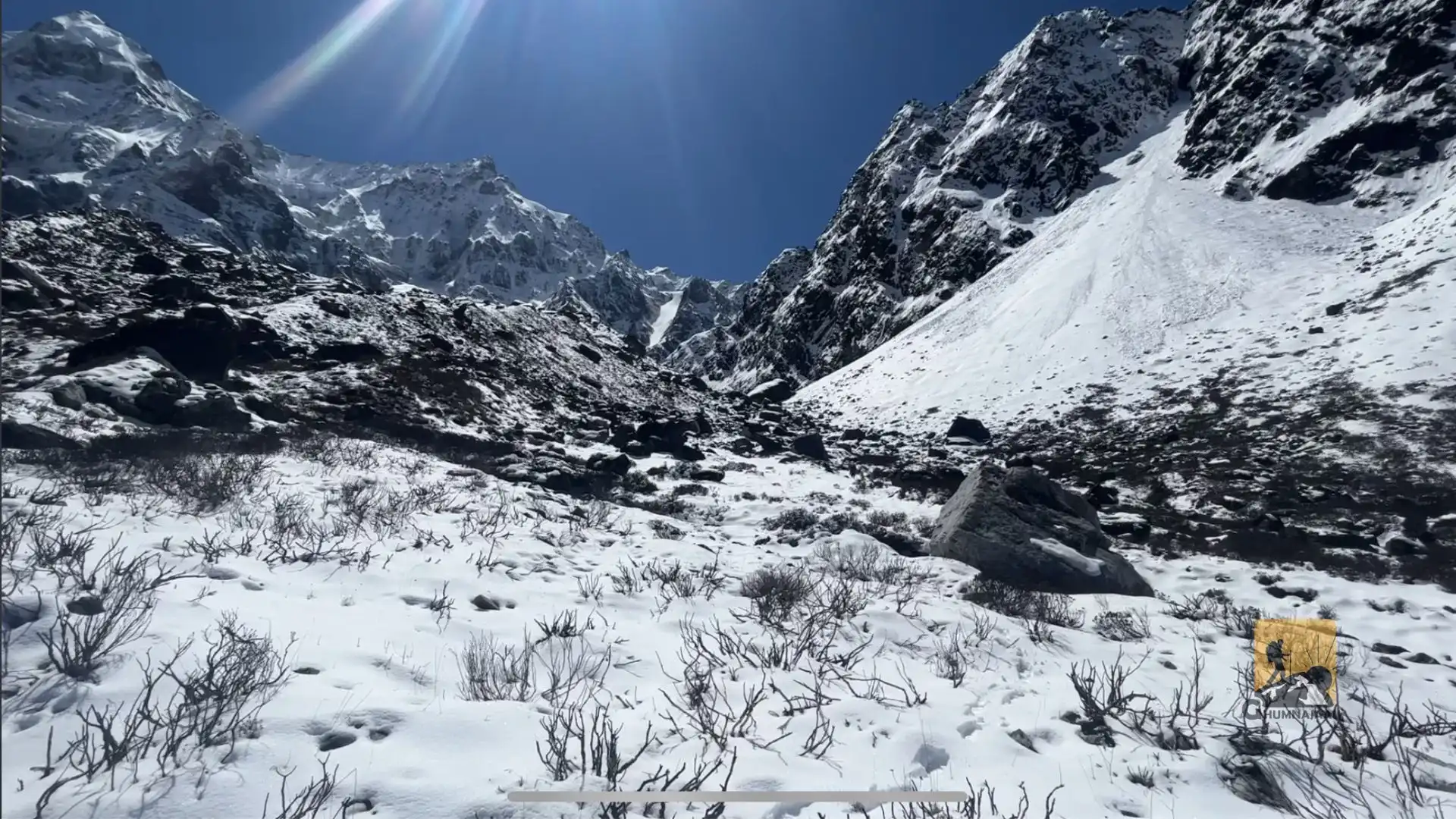
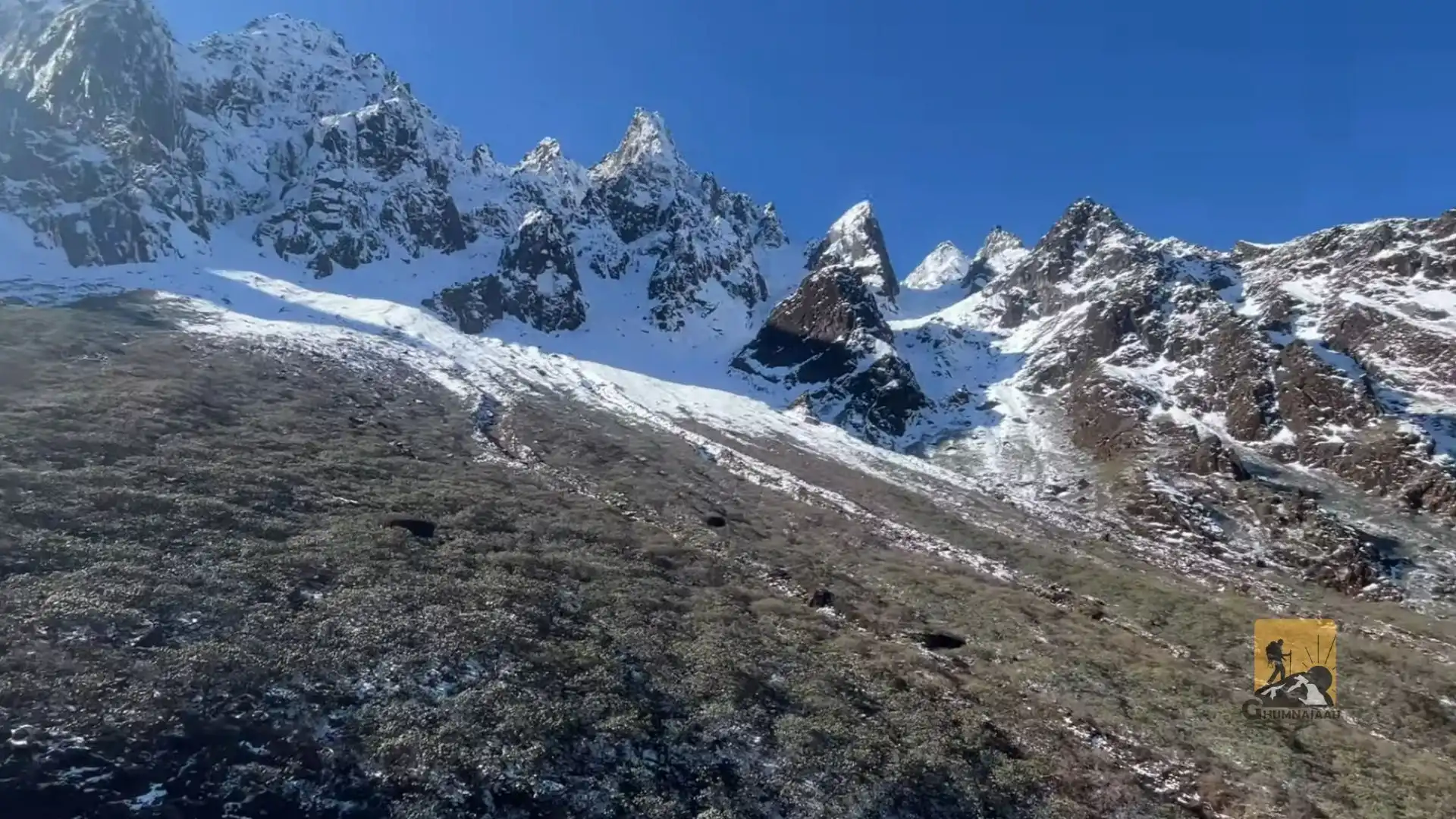
Today you cross two minor passes—Marsang La and Phurlu La (4,747m). The journey offers stunning views of Kanchenjunga and surrounding peaks before setting up camp near Sum Dokma.
An adventurous day as you cross the high Nango La Pass (4,800m) and descend into the beautiful Ghunsa Valley. After a long descent through yak pastures and forests, you’ll reach the Sherpa village of Ghunsa.
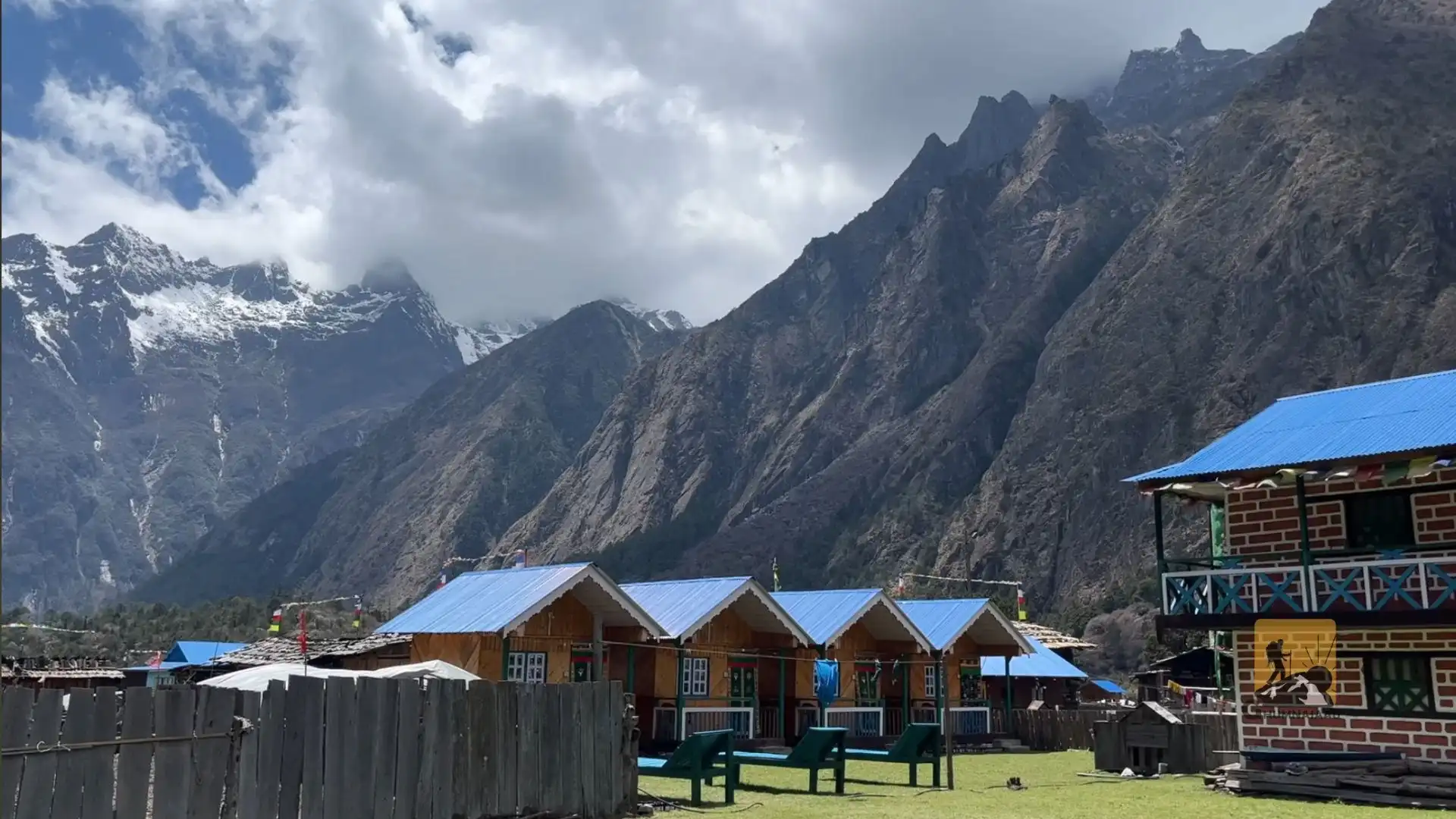
Spend the day exploring Ghunsa—a charming village with traditional wooden houses and monasteries. It’s also a perfect day for rest, interaction with locals, or short hikes around the valley.
Descend through rhododendron forests and picturesque waterfalls. The trail follows the Ghunsa River and passes small settlements before reaching Amjilosa.
Trek downhill for about 3 hours to Rani Pool, where you’ll have lunch. Afterward, board a jeep for a scenic drive back to Taplejung.
Enjoy a picturesque drive through rolling hills and tea gardens to Ilam—a tranquil hill town famous for its lush tea estates. In the evening, take a short walk through the village.
After breakfast, drive through scenic tea fields and descend to Bhadrapur. Catch your flight back to Kathmandu and transfer to your hotel for a relaxing evening.
After breakfast, our team will drop you at Tribhuvan International Airport for your onward flight. We hope you had a memorable adventure and look forward to welcoming you back to Nepal.
The trek is considered moderate to challenging due to high altitude, remote trails, and long trekking days. Good physical fitness is recommended.
The highest point is Nango La Pass at 4,800m (15,748ft).
Previous trekking experience is helpful but not compulsory. Beginners with good fitness and preparation can also complete the trek.
Trekkers need:
Yes. Since the trek reaches high elevations above 4,500m, proper acclimatization and hydration are essential.
Accommodation includes teahouses, local lodges, and camping in remote sections of the trek.
Spring (March–May) and Autumn (September–November) are the best trekking seasons.
Electricity and limited Wi-Fi are available in larger villages, but remote areas may have no connectivity.
Restricted area regulations generally require trekking through a registered agency with a licensed guide and minimum group requirements.
The trek offers remote wilderness, authentic Tibetan culture, fewer crowds, untouched valleys, and spectacular Himalayan scenery unlike popular commercial trekking routes.