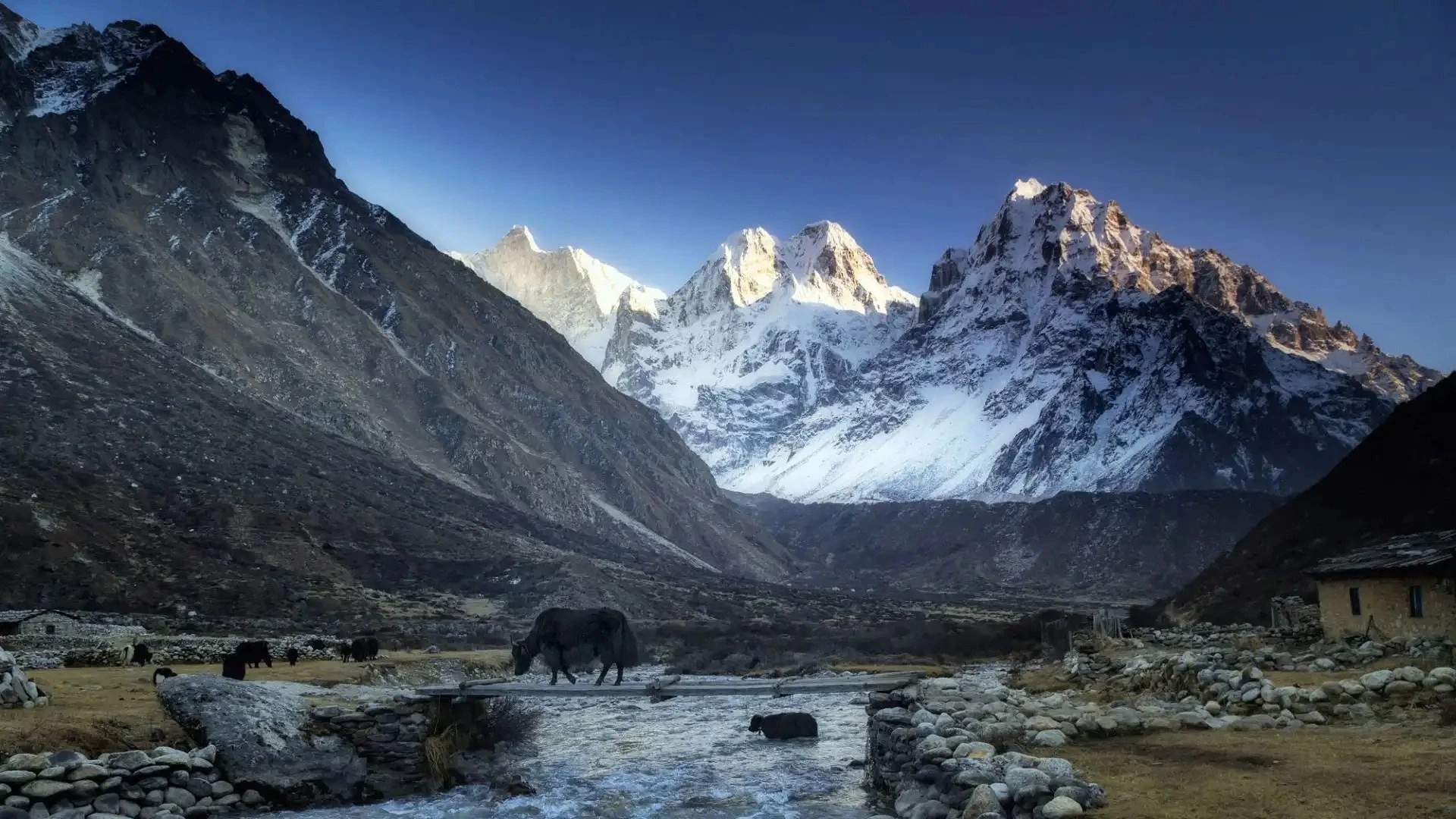
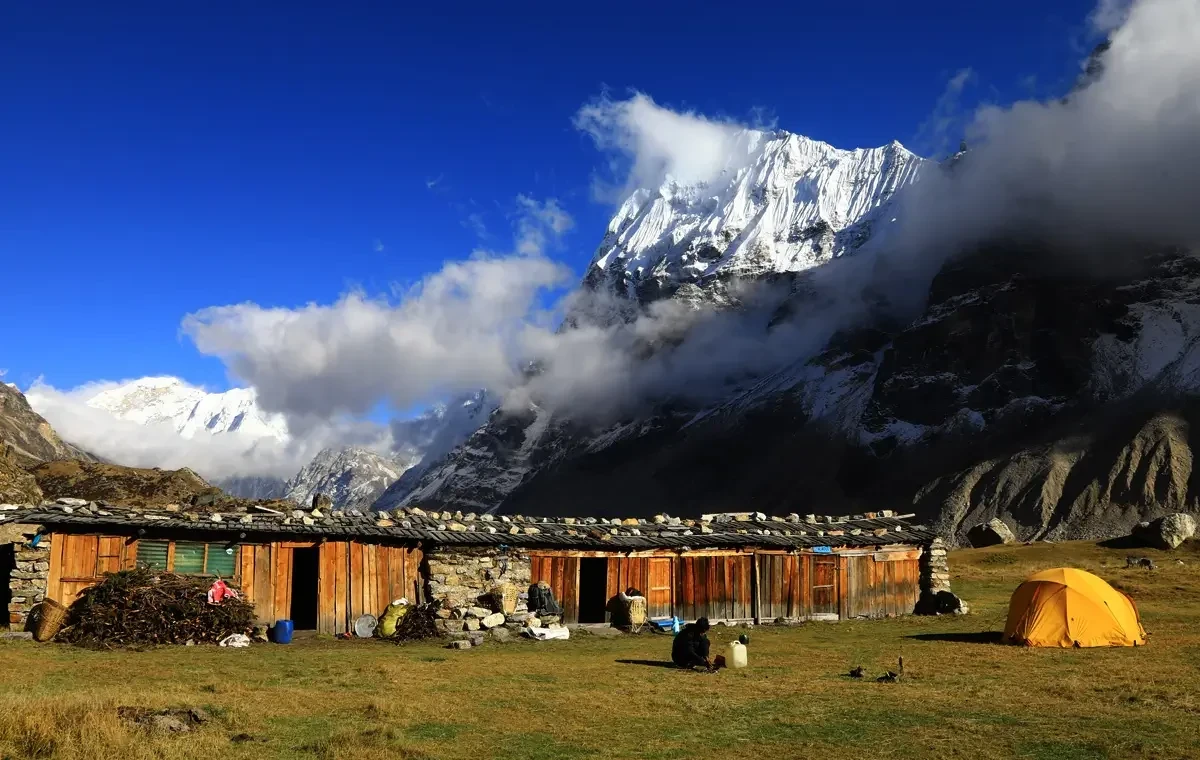
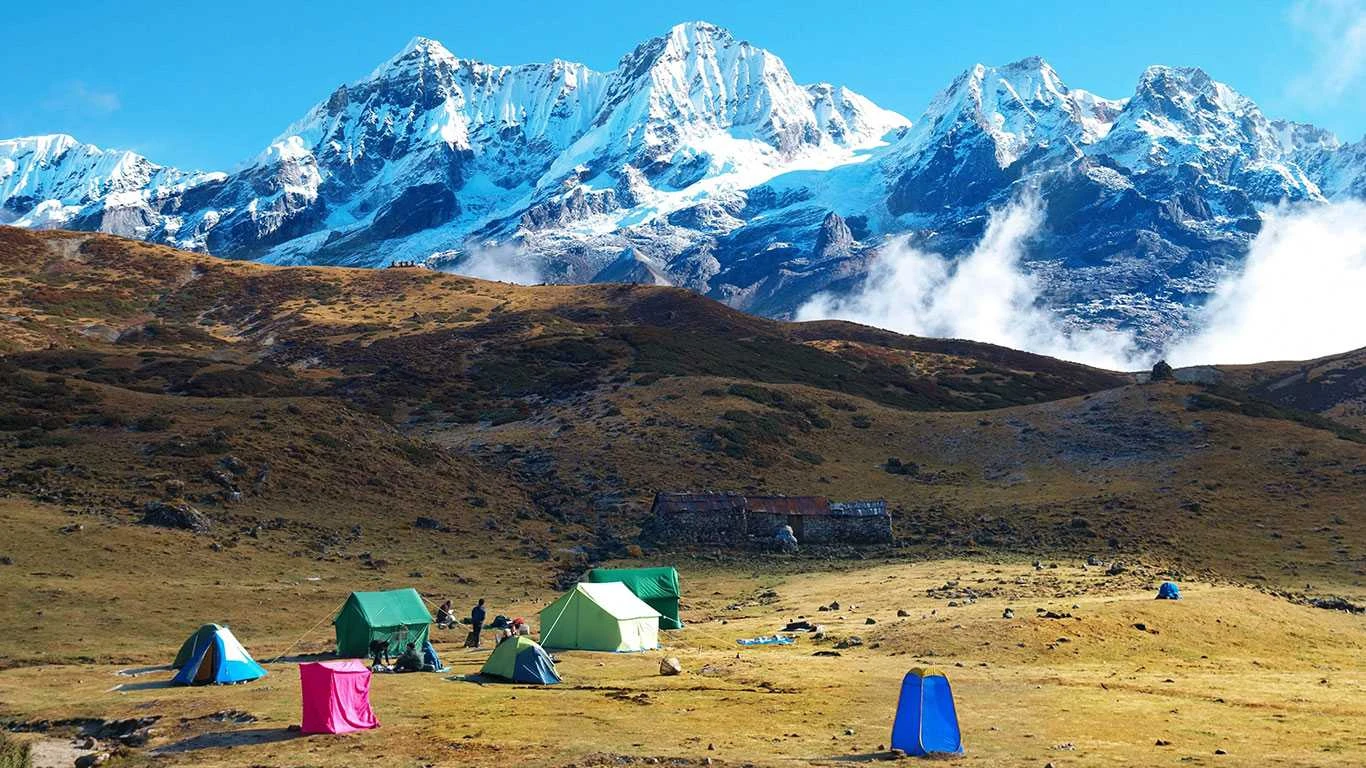
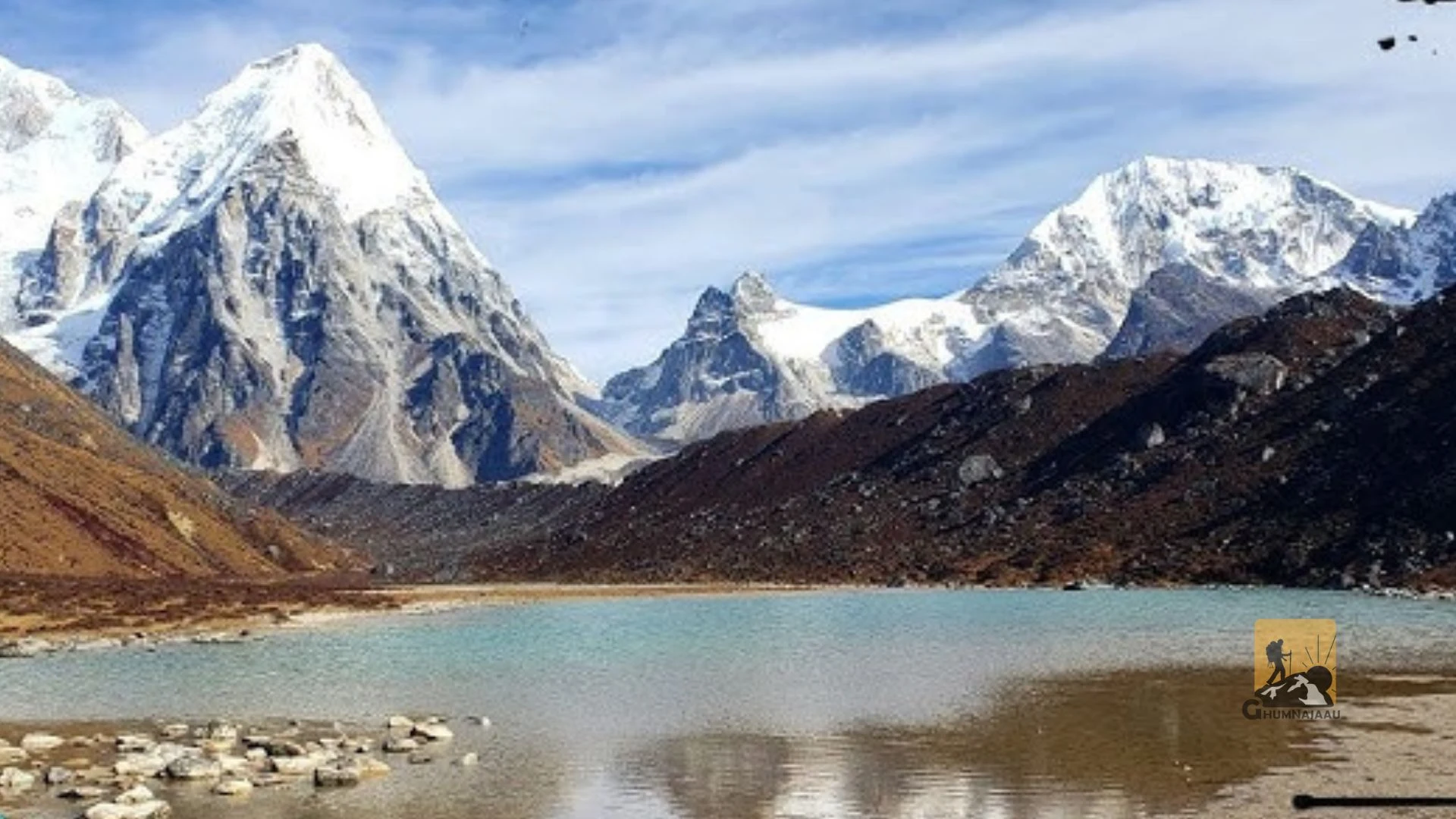
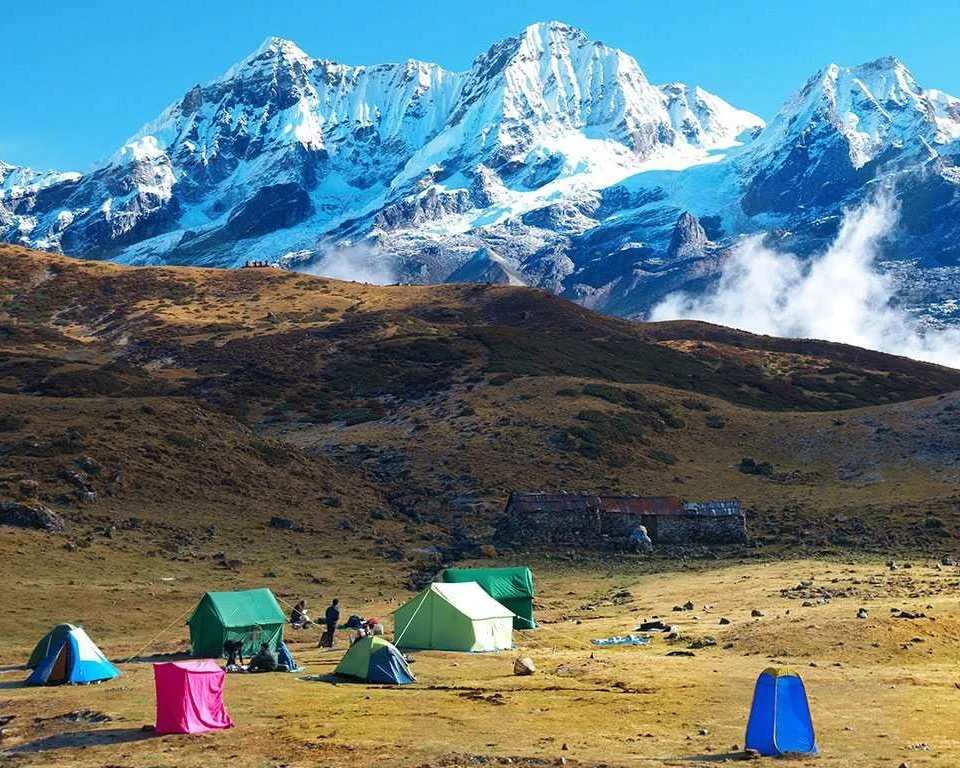
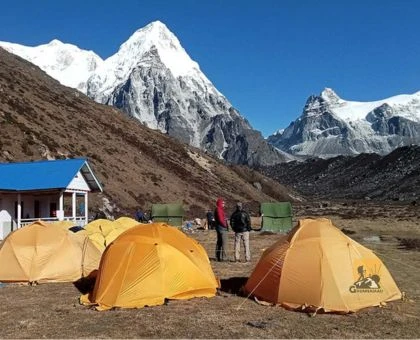
The Kanchenjunga North Base Camp Trek is a breathtaking Himalayan journey into one of Nepal’s most remote and untouched trekking regions. This incredible adventure takes you through ancient mountain villages, dense rhododendron forests, glacier valleys, and rugged alpine landscapes to the foot of the world’s third-highest mountain, Mt. Kanchenjunga (8,586m). Far from the crowded trekking routes, this trail offers peace, authentic culture, dramatic scenery, and a deep connection with nature and local Himalayan life.
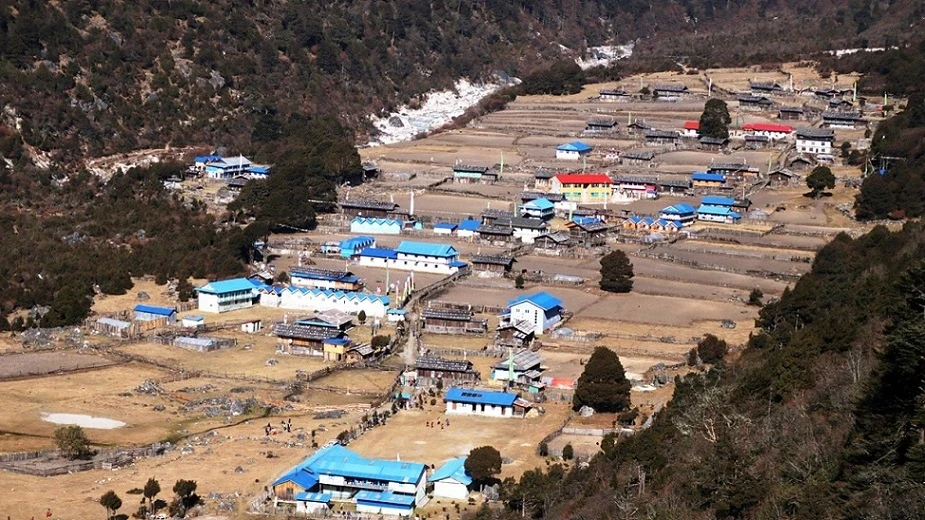
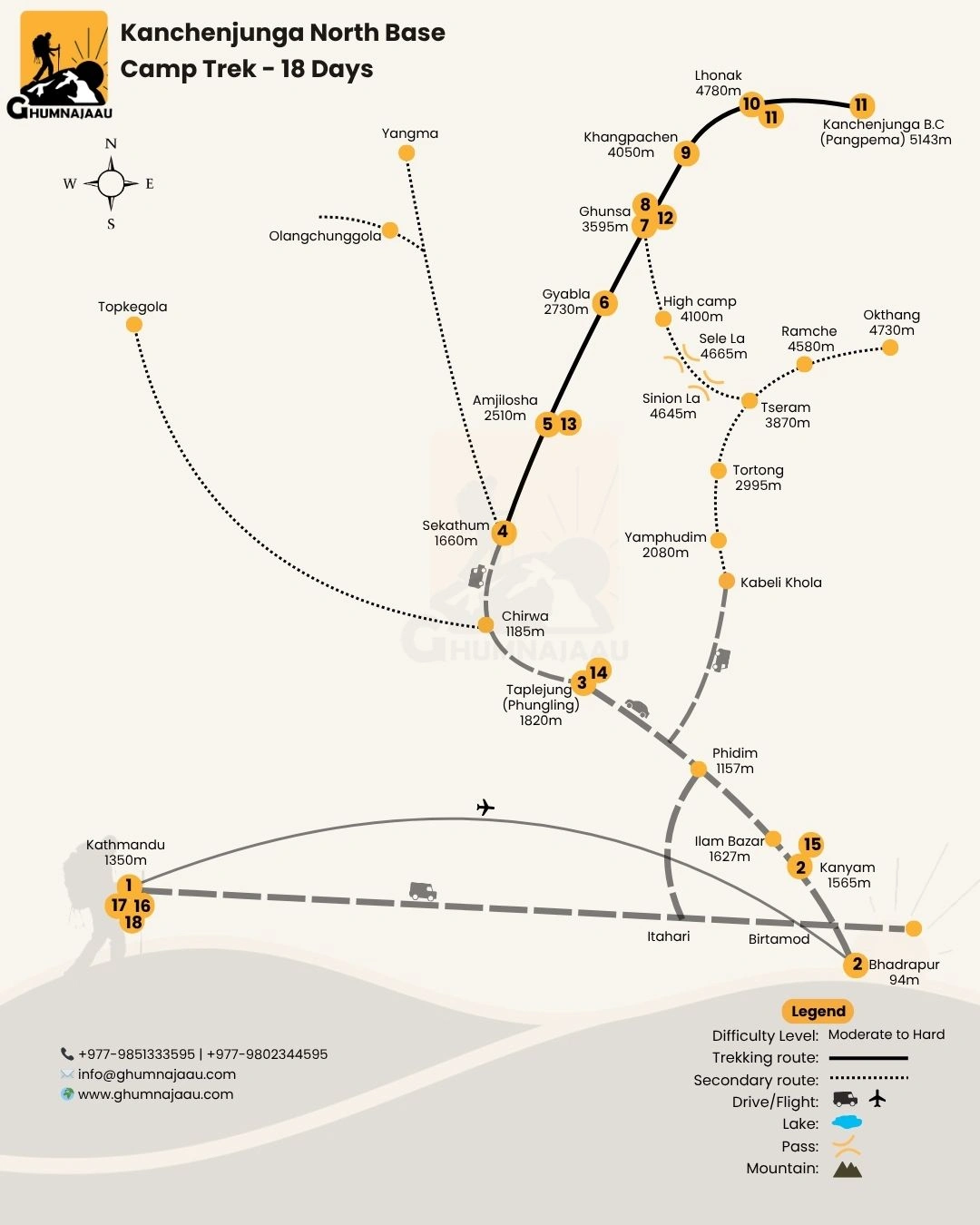
The Kanchenjunga North Base Camp Trek is one of Nepal’s most rewarding wilderness adventures. Located in the remote eastern Himalayas, this trek offers a perfect combination of natural beauty, cultural richness, and high-altitude adventure. The journey begins with a scenic flight from Kathmandu to Bhadrapur followed by beautiful countryside drives through Ilam tea gardens, rolling hills, and traditional villages before reaching Taplejung. From Sekathum, the trekking trail follows the Ghunsa Khola Valley through dense forests of rhododendron, bamboo, pine, and fir. As the trail climbs higher, the landscapes dramatically change from subtropical forests and river valleys to alpine meadows, rocky terrains, and glacial moraines. Trekkers pass traditional Tibetan-style villages such as Amjilosa, Gyabla, and Ghunsa, where local communities continue centuries-old Himalayan traditions and Buddhist practices.
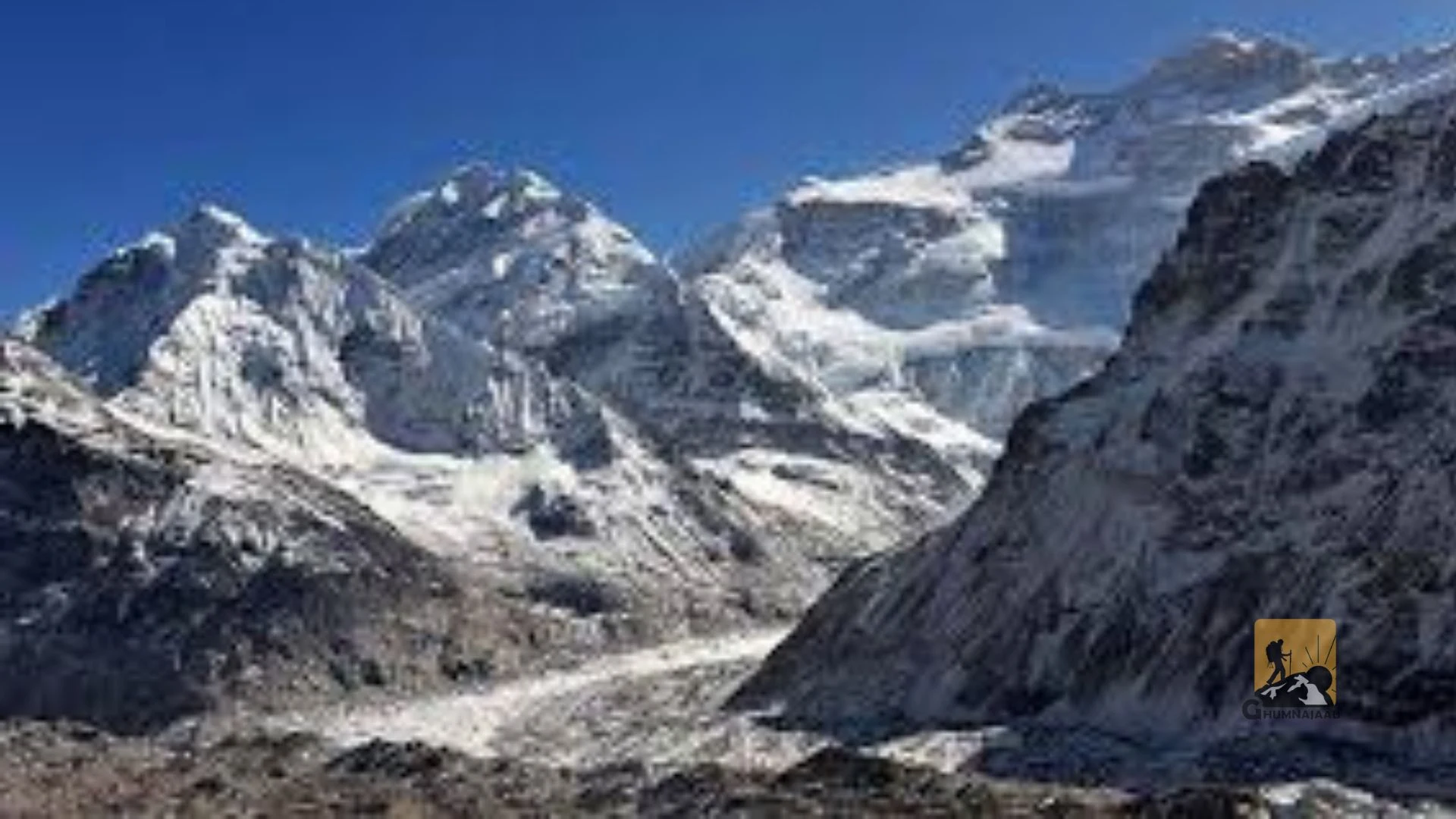
The highlight of the trek is reaching Pangpema, the Kanchenjunga North Base Camp at 5,143 meters. From here, trekkers enjoy unforgettable close-up views of Mt. Kanchenjunga, Wedge Peak, Jannu, Nepal Peak, and surrounding Himalayan giants. The region is part of the Kanchenjunga Conservation Area, a protected wilderness covering over 2,035 sq. km. The area is rich in biodiversity and home to rare wildlife such as red pandas, Himalayan black bears, blue sheep, musk deer, and elusive snow leopards. Unlike busy trekking routes in Everest and Annapurna, the Kanchenjunga region remains peaceful and untouched, making it ideal for trekkers seeking authentic Himalayan experiences and raw mountain beauty.
Upon arrival at Tribhuvan International Airport, our representative will pick you up and transfer you to your hotel. Relax and settle in after your journey.
After completing trek permits in Kathmandu, you take an afternoon scenic flight to Bhadrapur. From there, enjoy a jeep ride to Ilam through beautiful landscapes. Explore Ilam, known for its large tea plantations and local Himalayan cheese.
Drive through picturesque countryside, passing Phidim and Limbu villages to reach Taplejung. Enjoy the rural scenery and traditional architecture along the way.
After breakfast, begin the drive on a rough dirt track toward Sekathum, passing through the mid-hill landscape of Mitlung and Chiruwa villages. The route winds through lush green hills, terraced rice paddies, and cardamom plantations, offering views of traditional Limbu and Tamang settlements such as Sinwa, Tawa, and Porke. Following the Tamor River, the road gradually enters the steep Ghunsa Khola Valley. The journey continues alongside the river, with changing scenery of farmlands and forests, before finally reaching the riverside village of Sekathum (1,660m).
Follow Ghunsa Khola valley, climbing uphill over exposed terrain, crossing bridges, and enjoying scenic landscapes until reaching the Tibetan village of Amjilosa.
Trek through rhododendron and bamboo forests, pass a big waterfall, and ascend steeply to reach Gyabla.
Descend through meadows, climb small hills, cross the river, and arrive at the Tibetan village of Ghunsa, known for its wooden houses, school, and micro hydropower plant.
Take a short hike on the opposite side of Ghunsa Khola to gain altitude and adjust to thinner air. Explore the village, monasteries, and learn about local Buddhist culture.
Trek along forested paths, pass Mani walls, Chortens, scree slopes, and glacial moraines. Reach Khangpachen and enjoy the stunning view of Jannu (7710m).
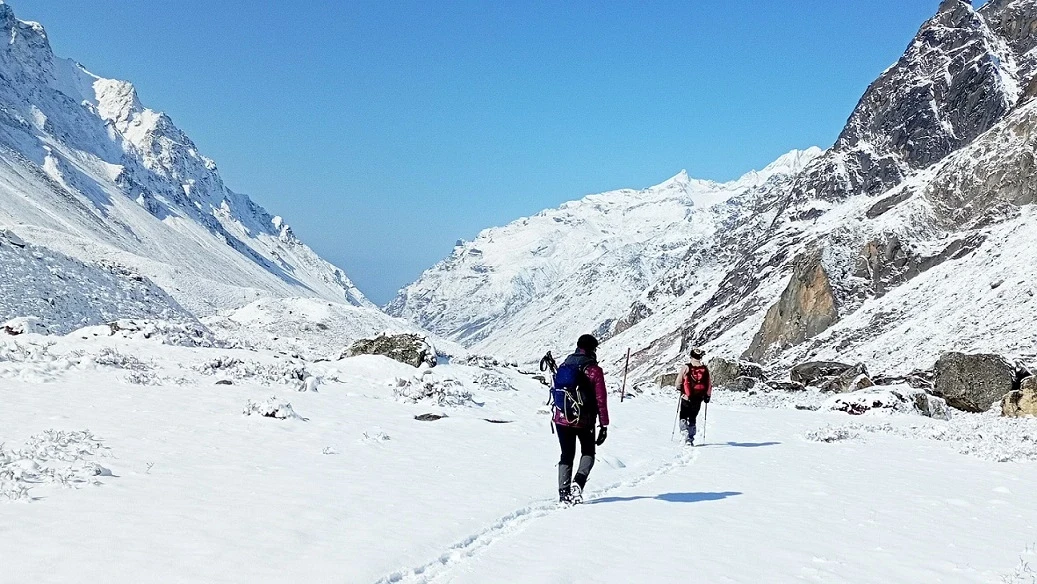
Follow the trail along Kanchenjunga Glacier, walking a high plateau to reach Lhonak. Enjoy panoramic views of Wegde Peak, Mera Peak, Nepal Peak, Twins, and other mountains.
Trek along northern glaciers to Kanchenjunga Base Camp (Pang Pema), with breathtaking views of Mt. Kanchenjunga (8586m) and surrounding peaks. Return to Lhonak for overnight.
Retrace the trail through Lhonak and Khangpachen, walking on Kanchenjunga and Kumbhakarna Glacier moraines, descending to Ghunsa.
Today, you will descend from Ghunsa to Amjilosa along a scenic trail. The trek takes approximately 5–6 hours, offering beautiful views of the surrounding valleys and traditional villages.
Today’s trek is a short descent from Amjilosa to Sektham, taking around 2–3 hours. From Sektham, you will drive to Taplejung on a dirt track, which takes approximately 4–5 hours. Enjoy the scenic landscapes along the way.
After breakfast Drive to Kanyam, Ilam, enjoying scenic rural landscapes.
Drive to Bhadrapur Airport and fly to Kathmandu, enjoying aerial mountain views. Transfer to your hotel in the city.
Rest, explore local sights, do souvenir shopping, and enjoy a farewell dinner with the Ghumnajaau team.
Transfer to Tribhuvan International Airport for your flight home, concluding the trek with memories of Kanchenjunga.
The trek is considered moderate to strenuous due to high altitude, long walking hours, and remote mountain trails.
The highest point is Pangpema (Kanchenjunga North Base Camp) at 5,143 meters (16,873 feet).
Previous trekking experience is helpful but not mandatory. Good physical fitness and preparation are recommended.
Spring (March–May) and Autumn (September–November) are the best trekking seasons.
Altitude sickness can occur above 3,000m. Proper acclimatization, hydration, and gradual ascent help reduce risks.
Yes, licensed guides and porters are included to ensure safety, navigation, and luggage support.
Trekkers stay in hotels, lodges, and teahouses with basic but comfortable facilities.
Electricity is available in most villages, while Wi-Fi and mobile networks are limited in remote areas.
You need the Kanchenjunga Restricted Area Permit and Kanchenjunga Conservation Area Permit.
Yes, travel insurance covering high-altitude trekking and emergency evacuation is strongly recommended.