 (1).webp)
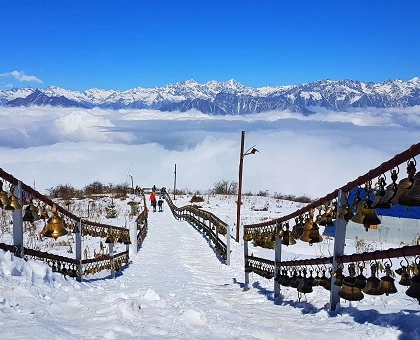
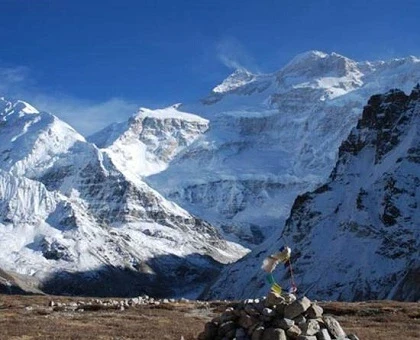
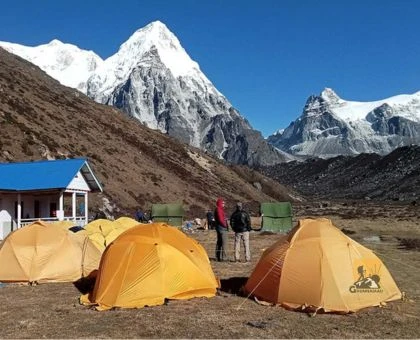
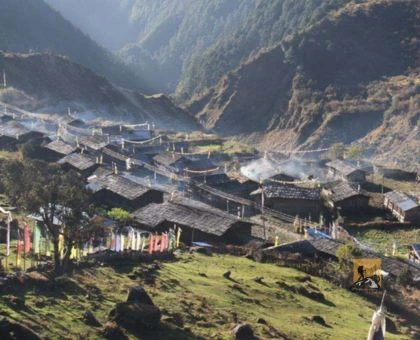
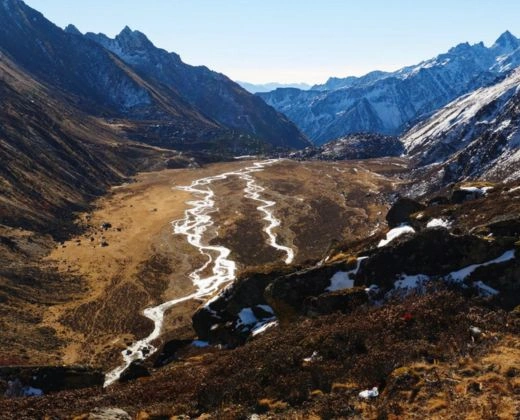
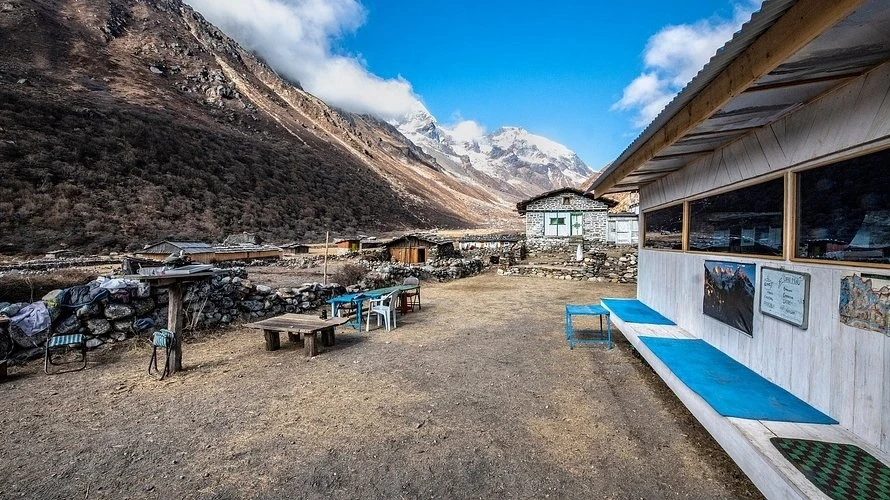
The Kanchenjunga South Base Camp Trek is a breathtaking journey into the untouched wilderness of eastern Nepal, leading you to the base of the world’s third-highest mountain, Mt. Kanchenjunga (8,586m). This short yet rewarding 10-day adventure offers dramatic Himalayan scenery, peaceful trails, authentic mountain villages, and rich cultural encounters far from the crowded trekking routes. From lush rhododendron forests and alpine meadows to the magnificent Yalung Glacier and towering snow peaks, every step brings a deeper connection to nature, culture, and the true spirit of the Himalayas.
The Kanchenjunga South Base Camp Trek is one of Nepal’s hidden Himalayan adventures, perfect for travelers seeking raw mountain beauty, cultural immersion, and peaceful trekking experiences away from commercial trekking routes. Located in the far eastern region of Nepal near the borders of Sikkim and Tibet, this trek takes you deep into the Kanchenjunga Conservation Area - a protected Himalayan wilderness rich in biodiversity, glaciers, waterfalls, alpine forests, and remote mountain settlements.
The journey begins with a scenic flight from Kathmandu to Bhadrapur, followed by beautiful drives through Ilam’s tea gardens, rolling hills, and traditional villages toward Taplejung. As the trek starts, the trail gradually ascends through lush forests of rhododendron, pine, oak, and bamboo alongside the Simbuwa Khola river. Trekkers pass through charming mountain villages inhabited by Limbu, Rai, Sherpa, Gurung, and Magar communities, offering a unique opportunity to experience local traditions, Buddhist culture, and traditional Himalayan lifestyles.
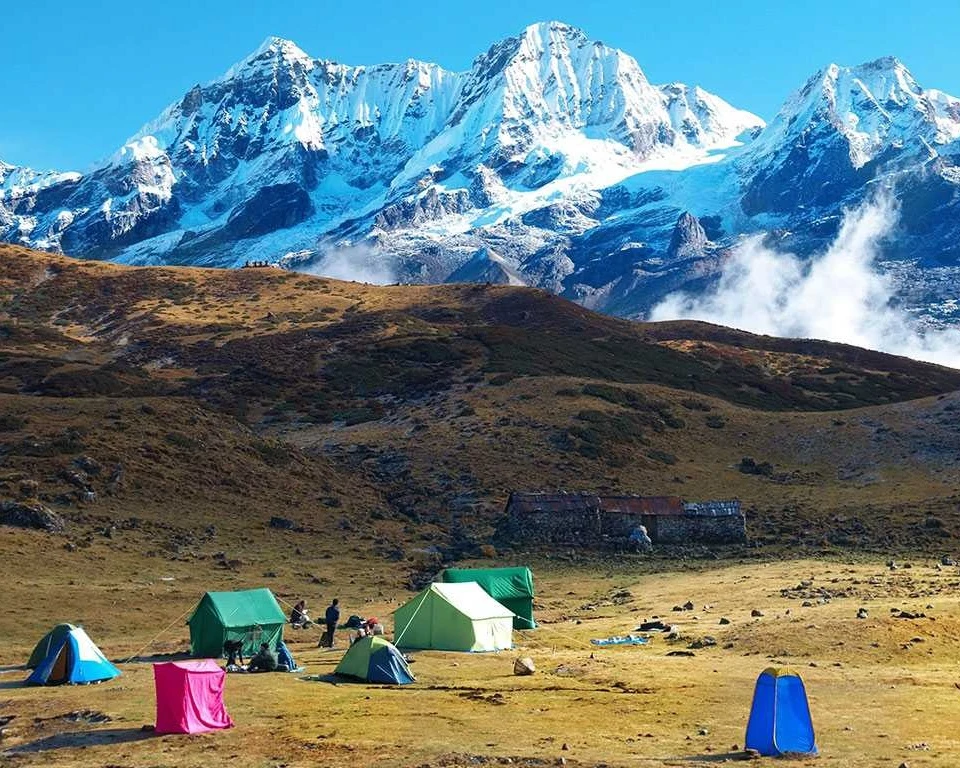
As you gain altitude, the landscapes dramatically change into alpine terrain with breathtaking views of snow-covered peaks, glaciers, and rugged valleys. The highlight of the trek is reaching Kanchenjunga South Base Camp and Yalung Base Camp, where the massive south face of Mt. Kanchenjunga rises above the glacier in a truly unforgettable panorama. Unlike crowded trekking regions, the Kanchenjunga trail offers serenity, untouched nature, and authentic Himalayan experiences, making it ideal for adventurous trekkers looking for something extraordinary in Nepal.
The Kanchenjunga South Base Camp Trek is perfect for trekkers who want a short Himalayan adventure without compromising on mountain scenery and cultural experiences.
What makes this trek special:
|
Day |
Route |
Elevation |
Duration |
|
Day 01 |
Arrival in Kathmandu |
1,350m / 4,429ft |
— |
|
Day 02 |
Flight to Bhadrapur & Drive to Kanyam |
1,565m / 5,134ft |
50 min flight + 2 hrs drive |
|
Day 03 |
Drive to Taplejung (Phungling) |
1,820m / 5,971ft |
5–6 hrs |
|
Day 04 |
Drive to Sekathum |
1,660m / 5,446ft |
4–5 hrs |
|
Day 05 |
Trek to Tortong |
2,985m / 9,793ft |
7–8 hrs |
|
Day 06 |
Trek to Tseram |
3,870m / 12,697ft |
4–5 hrs |
|
Day 07 |
Trek to Kanchenjunga South Base Camp & Return to Ramche |
4,730m / 15,518ft |
8–9 hrs |
|
Day 08 |
Trek back to Tortong |
2,985m / 9,793ft |
9–10 hrs |
|
Day 09 |
Drive to Kanyam/Ilam |
1,565m / 5,134ft |
7–8 hrs |
|
Day 10 |
Drive to Bhadrapur & Flight to Kathmandu |
1,350m / 4,429ft |
45 min flight |
The Kanchenjunga South Base Camp Trek is graded as moderate to challenging. Trekkers walk approximately 5–8 hours daily on steep ascents, rocky trails, forest paths, and alpine terrain.
Although technical climbing is not required, good physical fitness and endurance are essential due to long trekking days and high altitude exposure.
The highest point of the trek reaches 4,730m, where altitude sickness can become a concern. Proper acclimatization, hydration, and gradual pace are important for a safe trekking experience.
Recommended preparation:
Accommodation during the trek includes hotels in Kathmandu, comfortable lodges in Kanyam and Taplejung, and simple teahouses or camping facilities in remote trekking areas.
Teahouses generally provide:
Meals include local and international dishes such as:
Vegetarian meals are widely available along the route.
The Kanchenjunga region is home to diverse ethnic communities including Rai, Limbu, Sherpa, Gurung, and Magar people. The trek offers a wonderful opportunity to explore authentic Himalayan lifestyles, traditional stone villages, Buddhist culture, monasteries, prayer flags, and local customs.
Trekkers can experience:
The warm hospitality and rich cultural heritage make the journey even more memorable.
The journey starts with a domestic flight from Kathmandu to Bhadrapur, which takes approximately 45–50 minutes.
From Bhadrapur:
After completing the trek, travelers return by road to Bhadrapur and fly back to Kathmandu.
Private vehicles are used for all ground transportation for comfort and flexibility.
✅ Experienced local trekking guides with deep regional knowledge
✅ Strong focus on safety, personalized care, and responsible tourism
✅ Reliable logistics, permits, transportation, and emergency support
✅ Small groups for authentic and peaceful trekking experiences
✅ 24/7 customer support before, during, and after your trip
Discover the untouched beauty of eastern Nepal and stand beneath the majestic Mt. Kanchenjunga on this unforgettable Himalayan journey. Whether you are an experienced trekker or a passionate adventurer seeking a unique trail, the Kanchenjunga South Base Camp Trek promises breathtaking landscapes, authentic culture, and lifelong memories.
👉 Book your Kanchenjunga South Base Camp Trek with Ghumnajaau Pvt. Ltd. today and begin your Himalayan adventure with trusted local experts.
Upon arrival at Tribhuvan International Airport, our representative will greet you and transfer you to your hotel in Kathmandu. Take the rest of the day to relax and prepare for your upcoming adventure.
After completing trek permits in Kathmandu, enjoy a scenic flight to Bhadrapur in eastern Nepal. From there, drive to the beautiful tea-growing region of Kanyam, known for its rolling tea gardens, cool climate, and Himalayan cheese.
Today’s drive takes you through the picturesque countryside, passing Phidim and traditional Limbu villages along the way. Enjoy views of terraced fields, forested hills, and charming settlements before reaching Taplejung.
Begin your journey on a rough mountain road, passing Mitlung, Chiruwa, Sinwa, and Tawa villages. The route follows the Tamor River through lush hills, rice terraces, and cardamom fields before reaching the riverside village of Sekathum.
Start trekking through dense forests filled with rhododendrons and oaks, following a peaceful trail along the Simbuwa Khola. The path gradually climbs to Tortong, surrounded by pristine wilderness and mountain ridges.
The trail ascends through rhododendron and juniper forests, offering glimpses of Kabru Peak and surrounding Himalayan giants. Reach Tseram, a beautiful open meadow with breathtaking views and crisp mountain air.
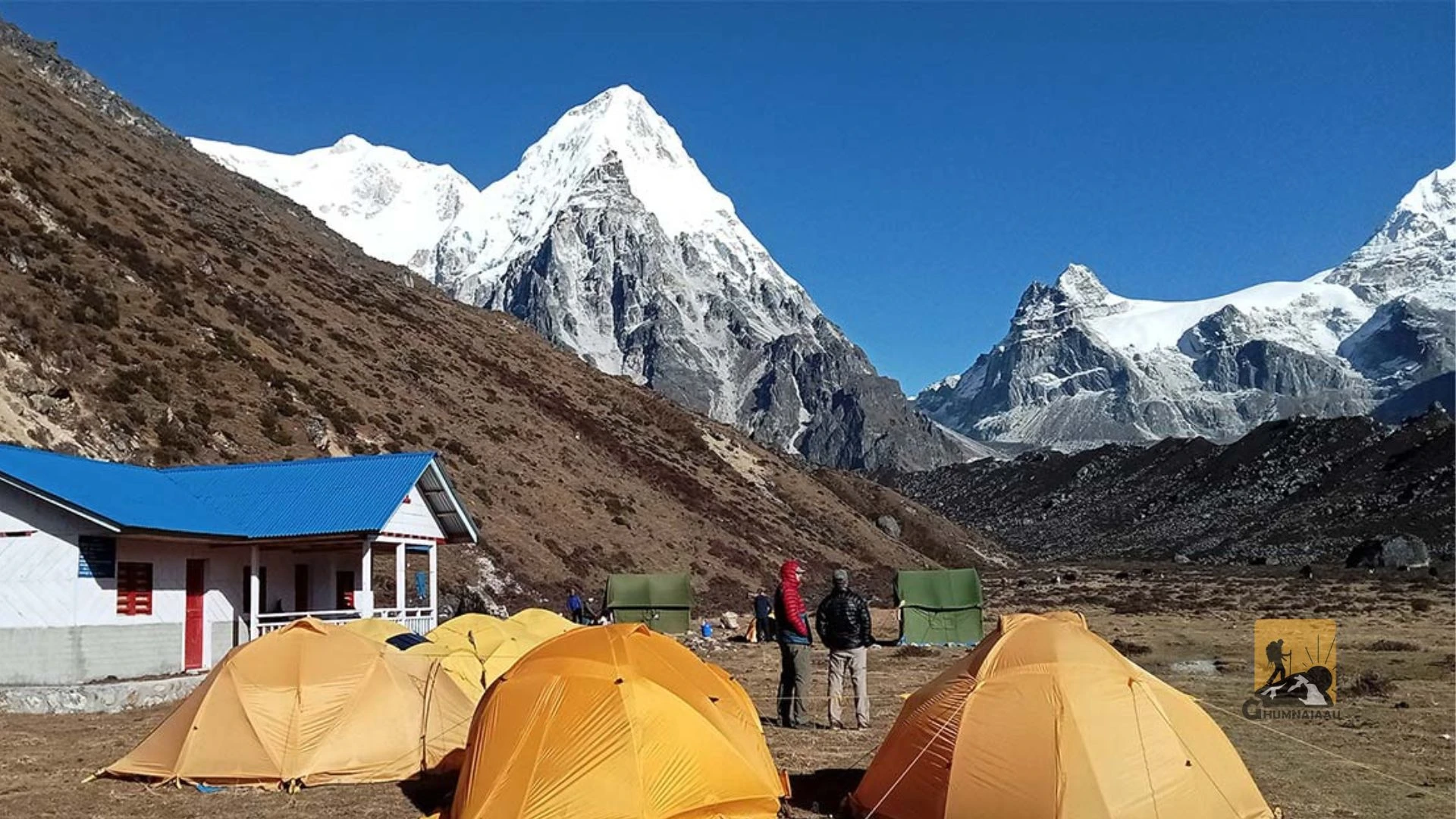
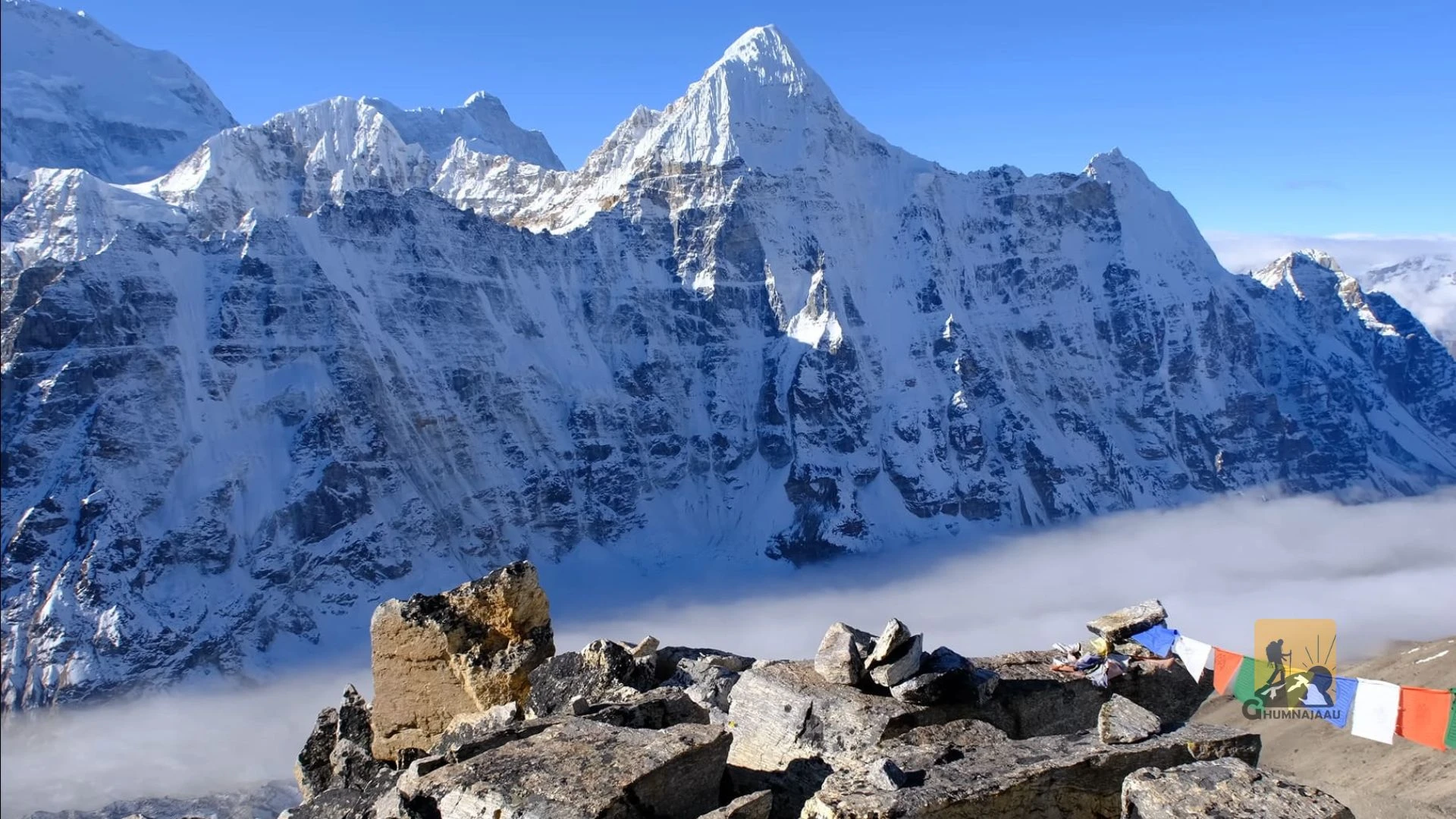
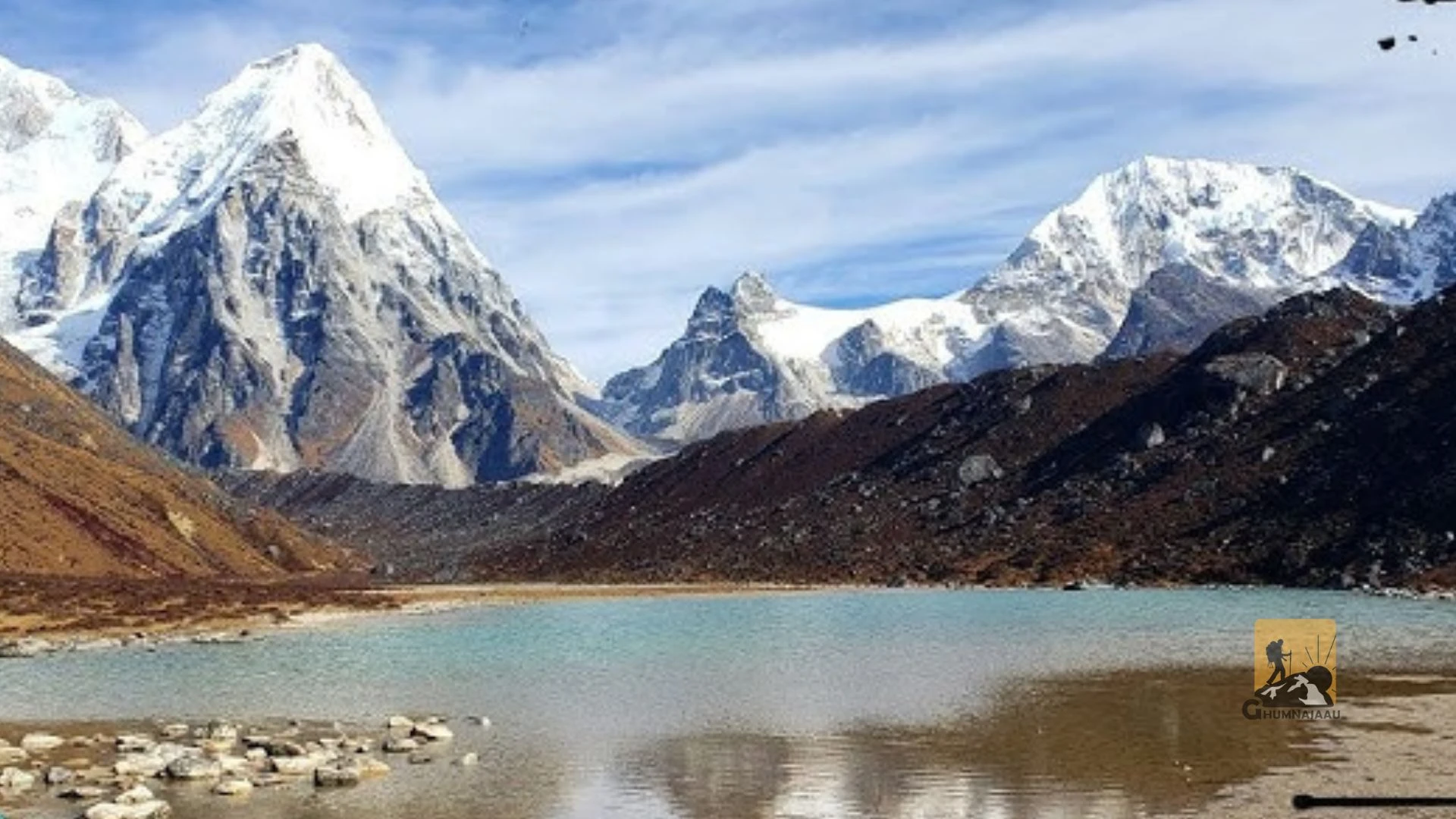
This is the most rewarding day of the trek. Ascend gradually through alpine terrain to reach Kanchenjunga South Base camp &Yalung Base Camp, surrounded by awe-inspiring peaks including Kanchenjunga (8,586m) and Mt. Jannu (7,710m). After exploring and capturing the magnificent views, return to Ramche for the night.
Meals: Breakfast, lunch, and dinner
Accommodation: Teahouse/Camping in Ramche
Retrace your steps through forests and valleys, descending back to Tortong. Enjoy the change in landscape as you return to the lush mid-hills.
After breakfast, enjoy a scenic drive through the rolling hills of Ilam back to Bhadrapur. From there, take an afternoon flight to Kathmandu, where the trip concludes with fond memories of the Kanchenjunga Himalayas.
After breakfast, enjoy a scenic drive through the rolling hills of Ilam back to Bhadrapur. From there, take an afternoon flight to Kathmandu, where the trip concludes with fond memories of the Kanchenjunga Himalayas.
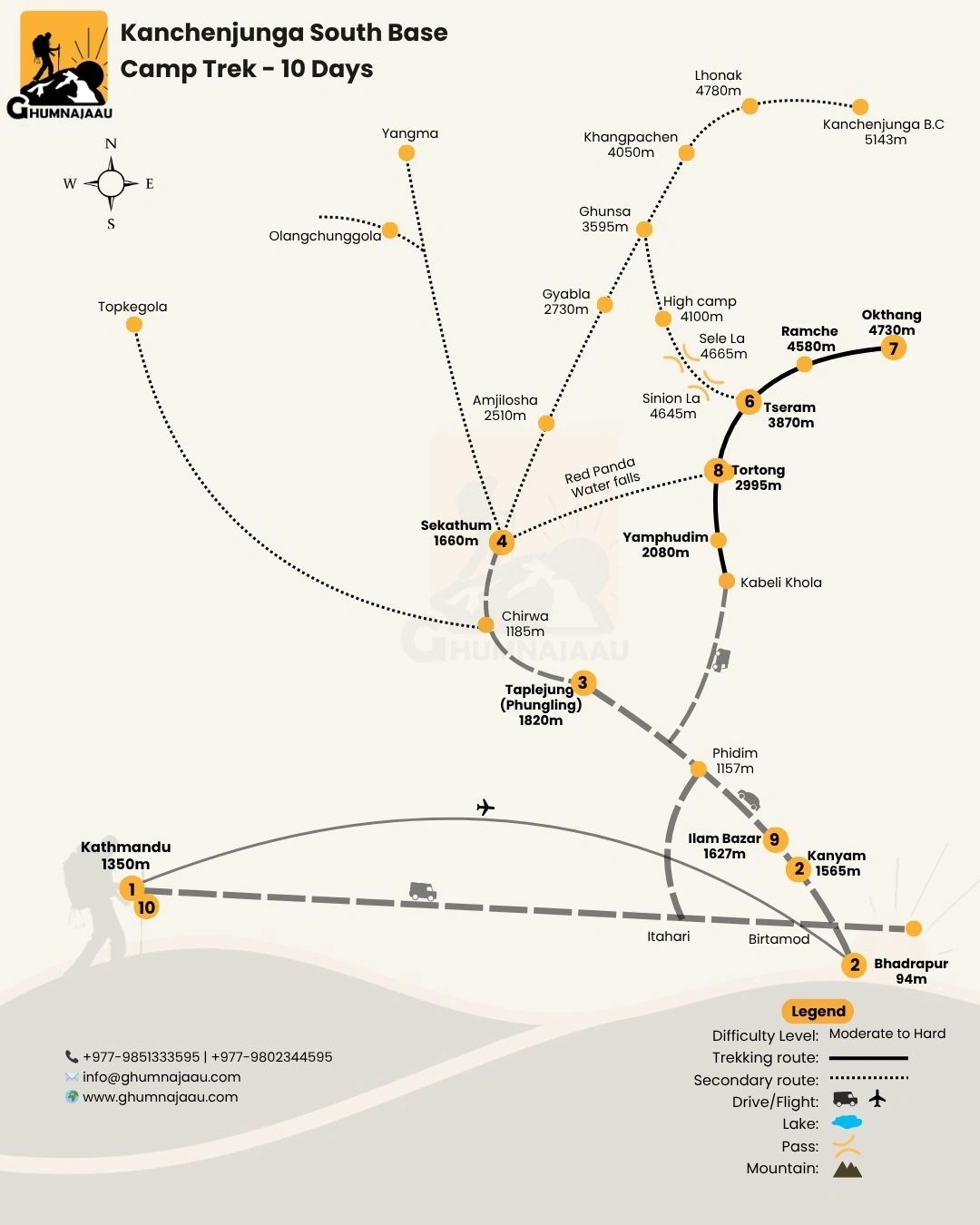
The trek is considered moderate to challenging due to long walking days, high altitude, and remote mountain terrain. Good physical fitness is recommended.
Previous trekking experience is helpful but not mandatory. Proper preparation and a positive mindset are important.
The highest point is Kanchenjunga South Base Camp at 4,730m (15,518ft).
Spring (March–May) and Autumn (September–November) are the best seasons due to stable weather and clear mountain views.
Yes, altitude sickness can occur above 3,000m. Proper acclimatization, hydration, and gradual ascent help reduce risks.
Yes, licensed trekking guides and porters are included for safety, navigation, and luggage support.
Accommodation includes hotels, local lodges, teahouses, and sometimes camping in remote areas.
Electricity is available in most villages, while WiFi and mobile networks may be limited at higher elevations.
Trekkers need the Kanchenjunga Restricted Area Permit and Kanchenjunga Conservation Area Permit.
Yes, the itinerary can be customized according to your travel duration, fitness level, and preferences through Ghumnajaau Pvt. Ltd..