.jpg)
.JPG)
.jpg)
.jpg)
.jpg)
.jpg)
.jpg)
.jpg)
.JPG)
.jpg)
.jpg)
.jpg)
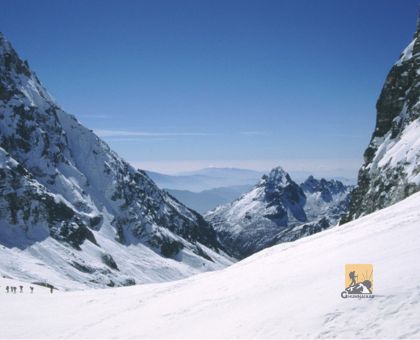
Gosaikund & Suryakund Trek – Sacred Lakes, Langtang National Park, Tamang Culture & Himalayan Views
The Gosaikund & Suryakund Trek takes you through Nepal’s Northern–Central Development Region, into the pristine landscapes of Langtang National Park—one of the country’s most accessible trekking areas. The journey leads to the sacred alpine lakes of Gosaikund (4,380m) and Suryakund (4,610m), along with other serene lakes such as Bhairavkund and Ganeshkund. Along the trail, you’ll experience the rich culture and warm hospitality of the Tamang ethnic communities, known for their traditional lifestyle and Buddhist heritage. The trek rewards adventurers with breathtaking views of snowcapped peaks, dramatic landscapes, and the tranquil beauty of the high-altitude glacial lakes, making it both a spiritual and scenic Himalayan journey.
Your adventure begins with a scenic drive north from Kathmandu. You can travel via Tokha Road (93 km) or through Trishuli–Galchhi (123 km), passing the beautiful landscapes of Nuwakot. After 4–5 hours, you’ll arrive at Dhunche, where you stop for lunch. From here, a 3-hour trek leads you through forest trails and along the riverbanks on a gradual uphill path to Deurali (2,625m). Overnight stay at a teahouse/lodge.
After breakfast, begin your trek toward Chyolangpati, enjoying natural scenery, birdwatching, and glimpses of local Tamang villages along the way. The trail gradually ascends through forests, following the route via Sing Gompa. The trek usually takes 4–5 hours. If you are well-acclimatized and energetic, you may choose to continue another 1.5 hours to Laurebina (3,910m). Overnight at a teahouse/lodge.
Today’s trek takes you to the sacred lake of Gosaikunda. After breakfast, the trail climbs along ridges, offering spectacular views of the Himalayan range. A short rest at Laurebina and Buddha Mandir helps with acclimatization before continuing upward. The path narrows along rocky ridges and dramatic slopes, adding an element of thrill. After 5–6 hours, you’ll reach the holy lake of Gosaikunda (4,380m). Overnight stay at a teahouse/lodge.
Spend the day exploring the sacred alpine lakes around Gosaikunda. An early hike takes you to Suryakund Lake and Surkunda Pass (4,610m) for breathtaking panoramic views. You’ll also visit other nearby lakes such as Bhairavkund, Ganeshkund, and Sworswoti Kunda. This day offers time for meditation, photography, and spiritual reflection. Overnight at Gosaikunda.
After breakfast, begin a gentle descent back toward Sing Gompa (3,330m). The trail retraces through forests and meadows with a relaxing pace. Overnight at a teahouse/lodge in Sing Gompa.
On your final trekking day, descend for about 3–4 hours through forests and villages until reaching Dhunche. After lunch, you’ll board a vehicle for the return journey to Kathmandu (1,350m), which takes 4–5 hours. Your memorable trek concludes in the capital.
The Gosaikunda & Suryakunda Trek is moderately challenging, suitable for anyone with a reasonable level of fitness. Trekkers typically walk 4-5 hours per day, but no prior trekking experience is required. Doing some cardio or leg-strength exercises beforehand will make the trek easier and more enjoyable.
The trail includes stone steps, ascents, descents, and uneven paths, but no technical climbing skills are needed. The main challenge is adjusting to higher altitude, so proper acclimatization, hydration, and rest are essential.
With basic preparation and the right mindset, most trekkers successfully complete the trek and enjoy its breathtaking mountain scenery and rich cultural experiences.
During the Gosaikunda & Suryakunda Trek accommodation is in tea houses or lodges with basic but comfortable rooms, shared bathrooms, clean bedding, and warm blankets.
Meals are provided at teahouses and include local and international options such as dal bhat, noodles, pasta, vegetables, and meat dishes. Vegetarian options are usually available.
For drinking water, carry water purification tablets or a filter, as tap water may not be safe. Bottled water is available at some lodges, but using a reusable water bottle is recommended for sustainability.
Health and safety are a top priority on the Gosaikunda & Suryakunda Trek. Our itineraries include acclimatization days to prevent altitude sickness, first-aid kits are carried, and emergency evacuation is available if needed.
By following these precautions, trekkers can safely enjoy the stunning Himalayan scenery and cultural experiences while minimizing risks.
Yes, This trekks include licensed guides and trained porters to ensure safety, provide cultural insights, and assist with luggage.
Ghumnajaau’ s team has extensive experience in navigating remote trails and high-altitude routes, combining expertise with deep knowledge of local culture and the environment. Guides prioritize safety, comfort, and an authentic trekking experience, while the support crew maintains a thoughtful staff-to-traveler ratio for personalized assistance.
With their guidance, every trekker can focus on the adventure, enjoy the stunning scenery, and create memorable Himalayan experiences.
The best time to trek to Gosaikunda & Suryakunda Trek is during Spring (March–May) and Autumn (September–November), when weather is stable, skies are clear, and mountain views are spectacular.
These seasons also reduce the risk of rain, landslides, and avalanches. While trekking is possible in summer or winter, expect rain, snow, colder temperatures, and more challenging trail conditions at higher altitudes. Always check weather forecasts before your trek.
The itinerary serves as a guideline, but may be modified due to weather, health, or unforeseen circumstances. Safety is always our priority.
While some flexibility is possible, the trek completion schedule must generally be maintained. Guides will recommend the best alternatives to ensure a safe and enjoyable experience while staying close to the original plan.
Yes, travel insurance is mandatory and highly recommended for any adventurous trips in Nepal, including the Langtang Valley Trek. It should cover trekking up to 5,000m and include emergency helicopter evacuation for high-altitude situations like Acute Mountain Sickness (AMS).
Always check your policy for trekking coverage, carry proof of insurance, and leave a copy with a trusted contact to ensure safety and peace of mind throughout your trek.
Proper gear is essential for a safe and comfortable Gosaikunda & Suryakunda Trek. Key items include:
Check all items against personal needs and weather conditions, and ensure proper fitting for comfort during trekking.
You will need:
Always verify visa and permit requirements based on your nationality and transit countries before traveling.
Clear instructions and contacts ensure a smooth arrival, departure, and overall trekking experience.