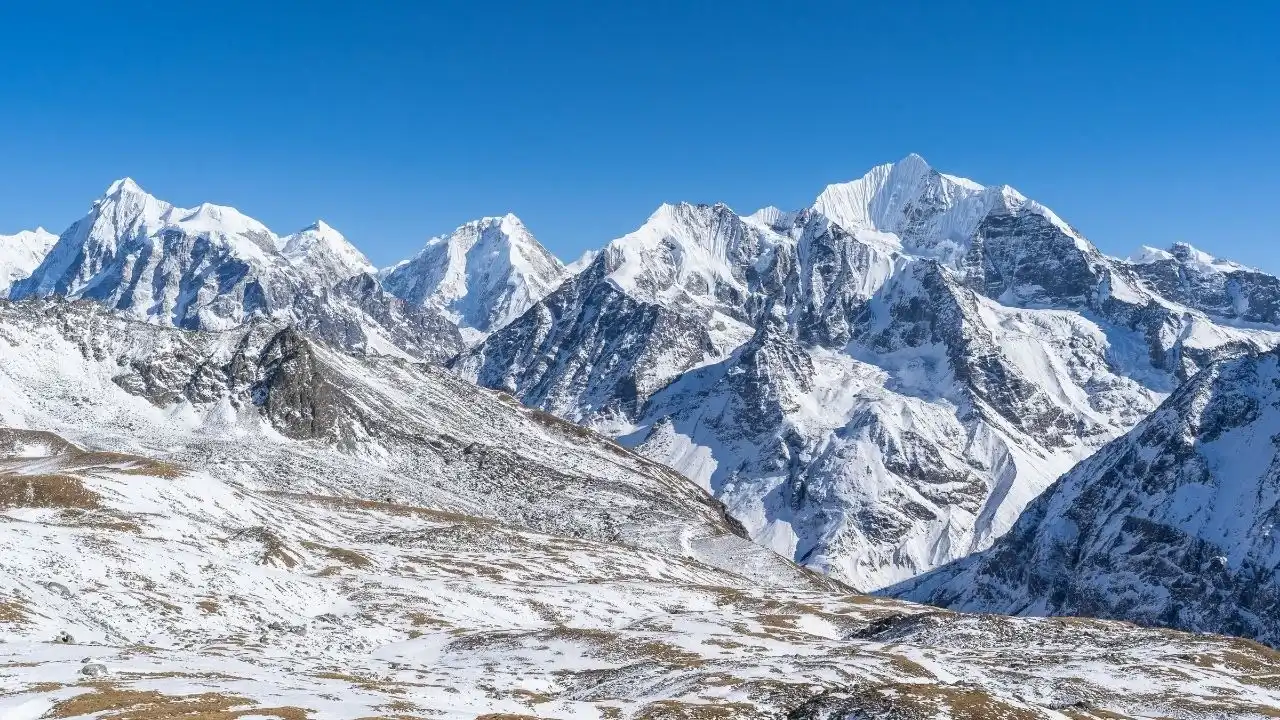
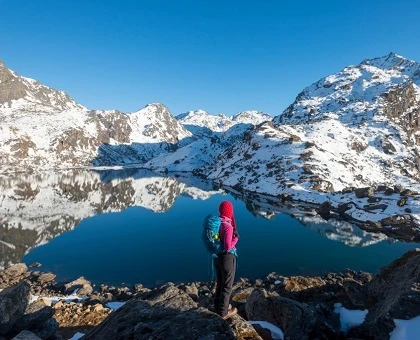
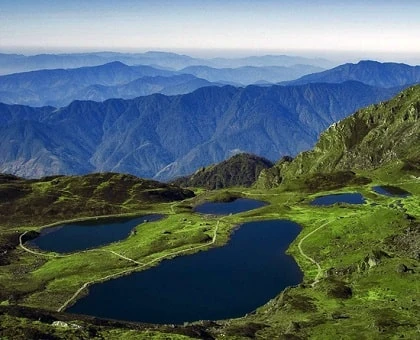
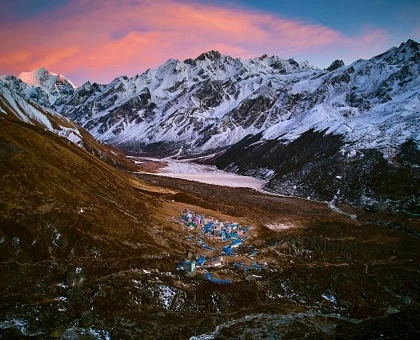
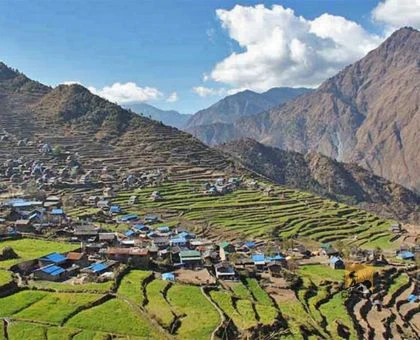
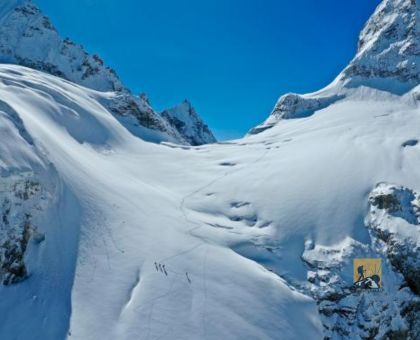
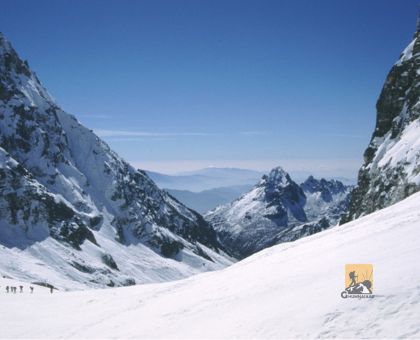
Hidden deep within the untouched wilderness of Nepal’s Langtang region, the Tilman Pass Trek is a true Himalayan adventure for trekkers seeking raw beauty, solitude, and challenge. Crossing the dramatic Tilman Pass (5,320m), this extraordinary journey takes you through ancient Tamang villages, sacred alpine lakes, glacial valleys, and remote mountain landscapes rarely explored by mainstream travelers. From the spiritual serenity of Kyanjin Gompa to the sacred lakes of Panchpokhari, every step offers breathtaking scenery, cultural connection, and the thrill of venturing far beyond ordinary trekking routes.
The Tilman Pass Trek is one of Nepal’s most adventurous and least-traveled trekking routes, combining high-altitude wilderness, remote mountain passes, and authentic Himalayan culture. Located in the Langtang region north of Kathmandu, this trek follows the footsteps of famous explorer H.W. Tilman and connects the beautiful Langtang Valley with the sacred Panchpokhari lakes.
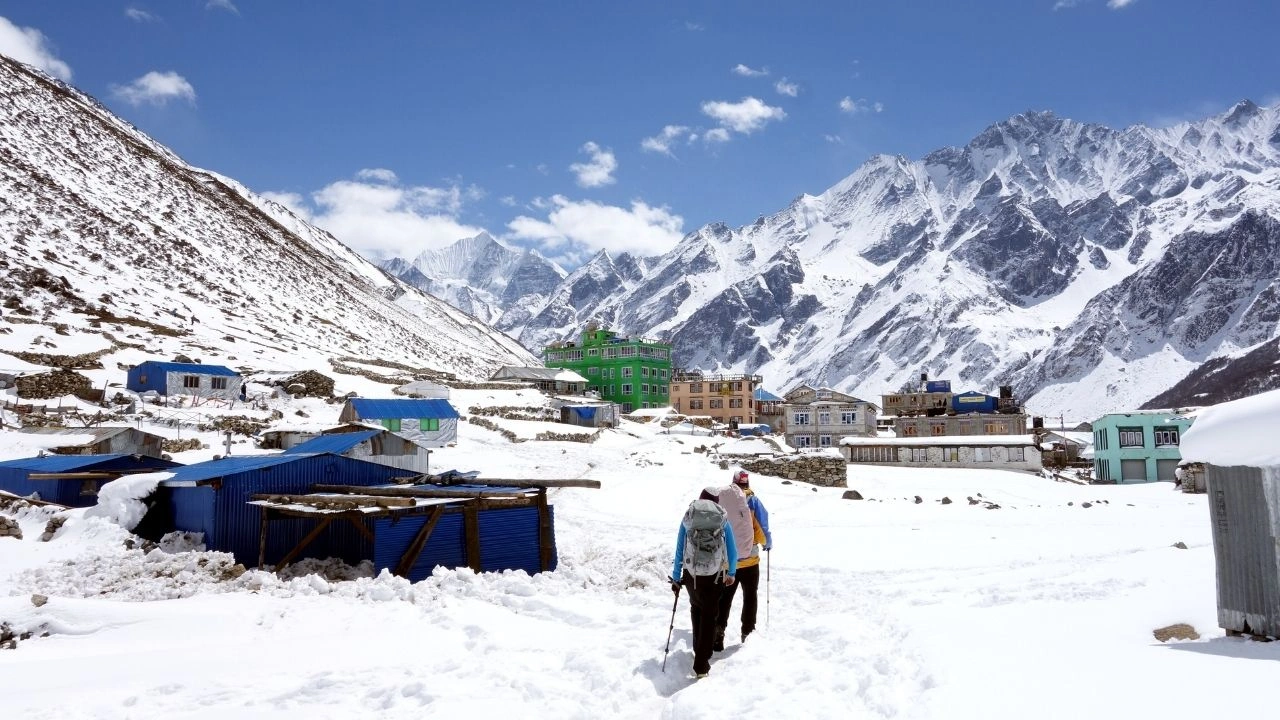
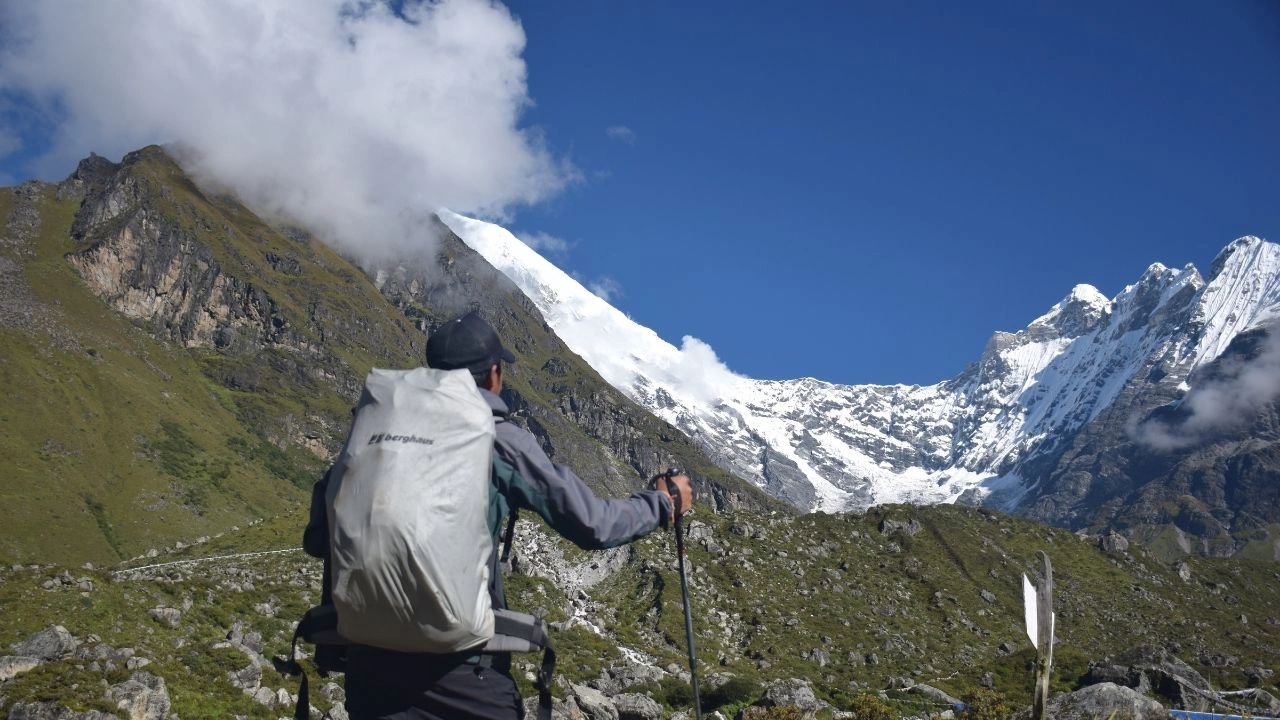
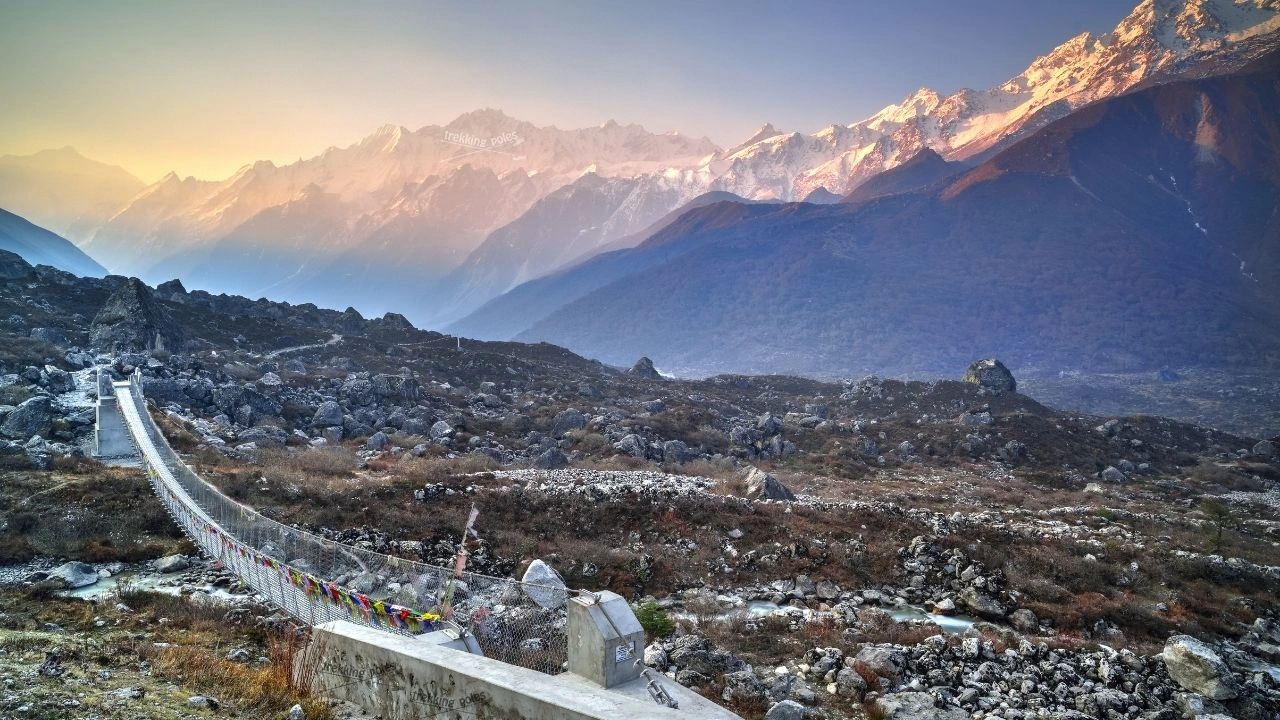
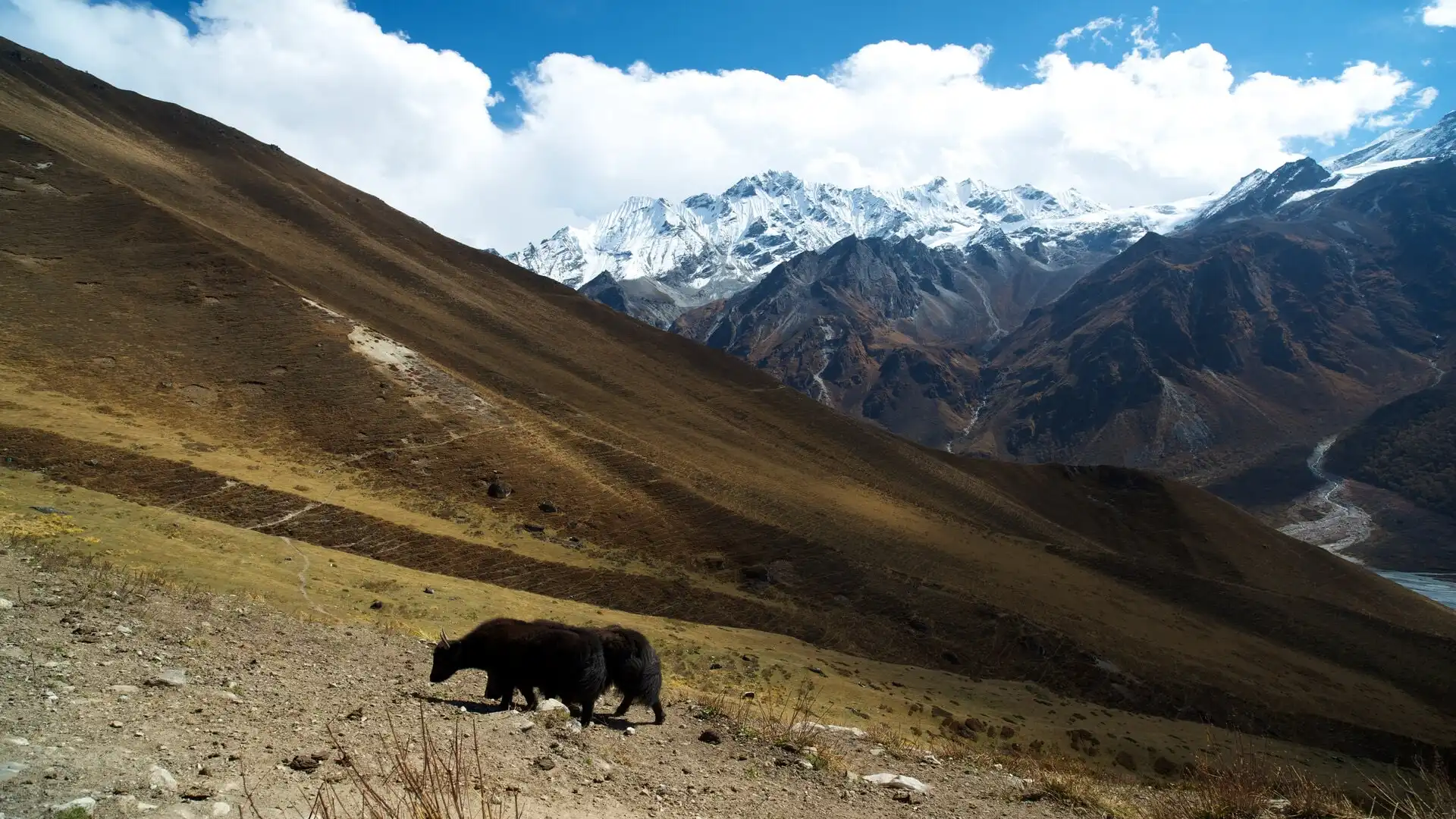
The journey begins with a scenic drive from Kathmandu to Syabrubesi, passing terraced hills, rivers, and traditional mountain settlements. The trail gradually ascends through lush rhododendron and bamboo forests, waterfalls, and peaceful Tamang villages rich in Buddhist culture and traditions. As you move deeper into Langtang Valley, the landscape dramatically transforms into alpine meadows, yak grazing lands, and glacial terrain surrounded by towering Himalayan peaks. The spiritual village of Kyanjin Gompa offers stunning mountain panoramas, ancient monasteries, and opportunities for acclimatization hikes to Tserko Ri.
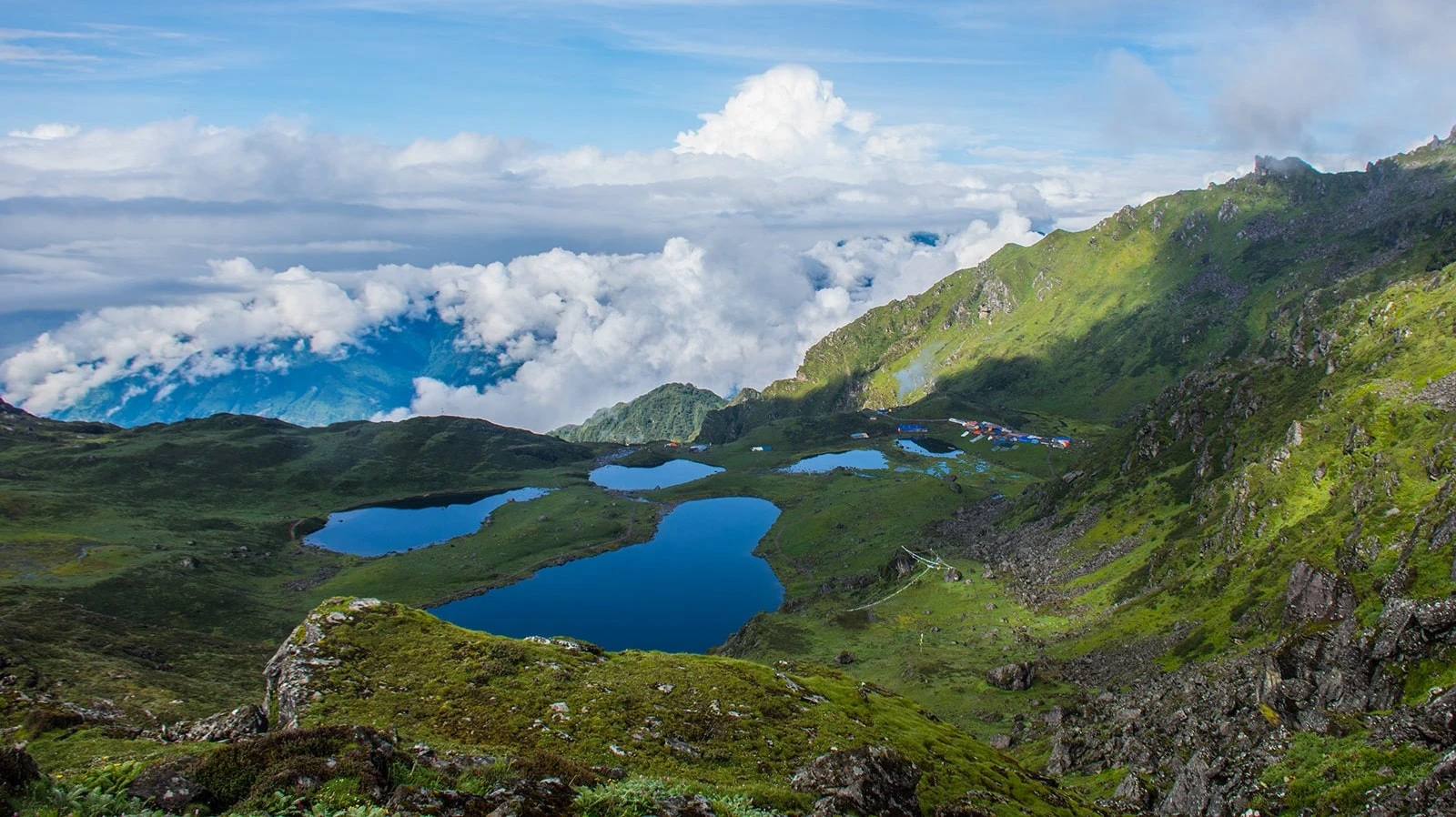
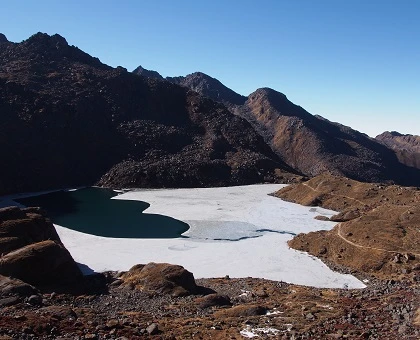
Beyond Kyanjin, the route enters remote high-altitude wilderness with rugged moraines, icy glaciers, and isolated camping areas. Crossing Tilman Pass (5,320m) is the ultimate highlight of the trek, demanding endurance and determination while rewarding trekkers with unforgettable Himalayan views. After the pass, the trail descends toward the sacred Panchpokhari Lakes, revered by both Hindu and Buddhist pilgrims. Surrounded by untouched alpine beauty and peaceful landscapes, Panchpokhari creates a spiritual and scenic ending before descending through remote forests and villages to Chautara and returning to Kathmandu.
This trek is ideal for experienced trekkers seeking true Himalayan exploration, off-the-beaten-path adventure, and cultural immersion in Nepal’s remote mountain regions.
Unlike popular commercial trekking routes, the Tilman Pass Trek offers complete wilderness adventure and authentic Himalayan exploration. This trek combines remote mountain passes, sacred lakes, glaciers, isolated camping, and rich Tamang culture into one unforgettable journey.
What makes this trek truly special is its combination of extreme adventure and spiritual beauty. Trekkers experience untouched landscapes, fewer crowds, raw mountain scenery, and genuine local hospitality. The challenging crossing of Tilman Pass also makes it one of Nepal’s most rewarding trekking achievements for experienced adventurers.
Day 1 Arrival in Kathmandu (1,350m / 4,429ft)- Hotel Transfer
Day 2 Kathmandu Sightseeing (1,350m / 4,429ft) - Full Day
Day 3 Drive to Syabrubesi & Trek to Khangjim (2,280m / 7,480ft) - 5 hrs drive + 2 hrs trek
Day 4 Trek to Lama Hotel via Sherpagaon (2,480m / 8,136ft) - 6 hrs
Day 5 Trek to Langtang Village (3,500m / 11,483ft) - 5–6 hrs
Day 6 Trek to Kyanjin Gompa (3,900m / 12,795ft) - 2–3 hrs
Day 7 Acclimatization Hike to Tserko Ri (4,984m / 16,351ft) - 5–6 hrs
Day 8 Trek to Langshisa Kharka (4,080m / 13,386ft) - 5–6 hrs
Day 9 Trek to Moraine Camp (4,580m / 15,026ft) - 5–6 hrs
Day 10 Cross Tilman Pass & Trek to Yak Kharka (5,320m / 17,454ft) - 7–8 hrs
Day 11 Trek to Tin Pokhari (3,735m / 12,254ft) - 7–8 hrs
Day 12 Trek to Panchpokhari (4,060m / 13,320ft) - 5–6 hrs
Day 13 Exploration Day at Panchpokhari (4,060m / 13,320ft) - Full Day
Day 14 Trek to Nasimpati (3,631m / 11,913ft) - 4–5 hrs
Day 15 Trek to Bhotang Village (1,800m / 5,905ft) - 4–5 hrs
Day 16 Drive to Kathmandu (1,350m / 4,429ft) - 6–7 hrs
Day 17 Final Departure
Spring (March – May)
Spring is one of the best seasons for the Tilman Pass Trek. Rhododendron forests bloom beautifully, temperatures are moderate, and mountain views are exceptionally clear. Trails remain stable and weather conditions are favorable for high-pass crossings.
Autumn (September – November)
Autumn offers the clearest skies, dry weather, and excellent visibility. The temperatures are comfortable, making it the most popular and reliable season for crossing Tilman Pass safely.
Winter (December – February)
Winter brings heavy snowfall and freezing temperatures, making Tilman Pass extremely difficult and risky. Recommended only for highly experienced mountaineers.
Monsoon (June – August)
The monsoon season brings rainfall, slippery trails, leeches, and poor visibility. Landslides and difficult trail conditions make trekking less favorable.
The Tilman Pass Trek is graded as a very strenuous and technically demanding trek. It is recommended for experienced trekkers with strong physical fitness and prior high-altitude trekking experience.
Trekkers should be prepared for:
Proper acclimatization is essential to reduce the risk of altitude sickness. Regular cardio training, endurance exercises, and previous trekking experience greatly help in completing this challenging journey successfully.
Accommodation during the Tilman Pass Trek includes comfortable hotels in Kathmandu, teahouses in lower regions, and fully organized tented camping in remote high-altitude sections.
Meals typically include:
Facilities along the route vary depending on location:
Full board meals are provided throughout the trek.
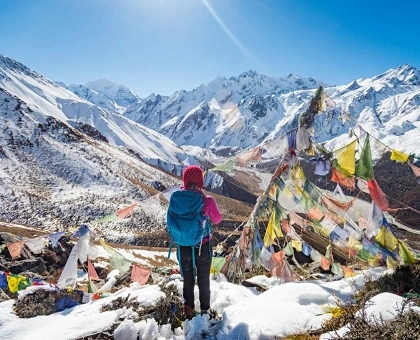
The Tilman Pass Trek offers deep cultural immersion into the traditional Tamang and Tibetan-influenced Himalayan lifestyle. Along the trail, trekkers encounter ancient monasteries, colorful prayer flags, mani walls, yak herders, and warm local hospitality.
Kyanjin Gompa is an important spiritual center where trekkers can explore centuries-old Buddhist traditions and monasteries. Villages such as Langtang and Sherpagaon showcase authentic mountain lifestyles, traditional stone houses, and resilient communities rebuilding after the 2015 earthquake.
Trekkers may also experience local festivals, yak cheese production, traditional Himalayan cuisine, and sacred pilgrimage sites like Panchpokhari, especially during Janai Purnima.
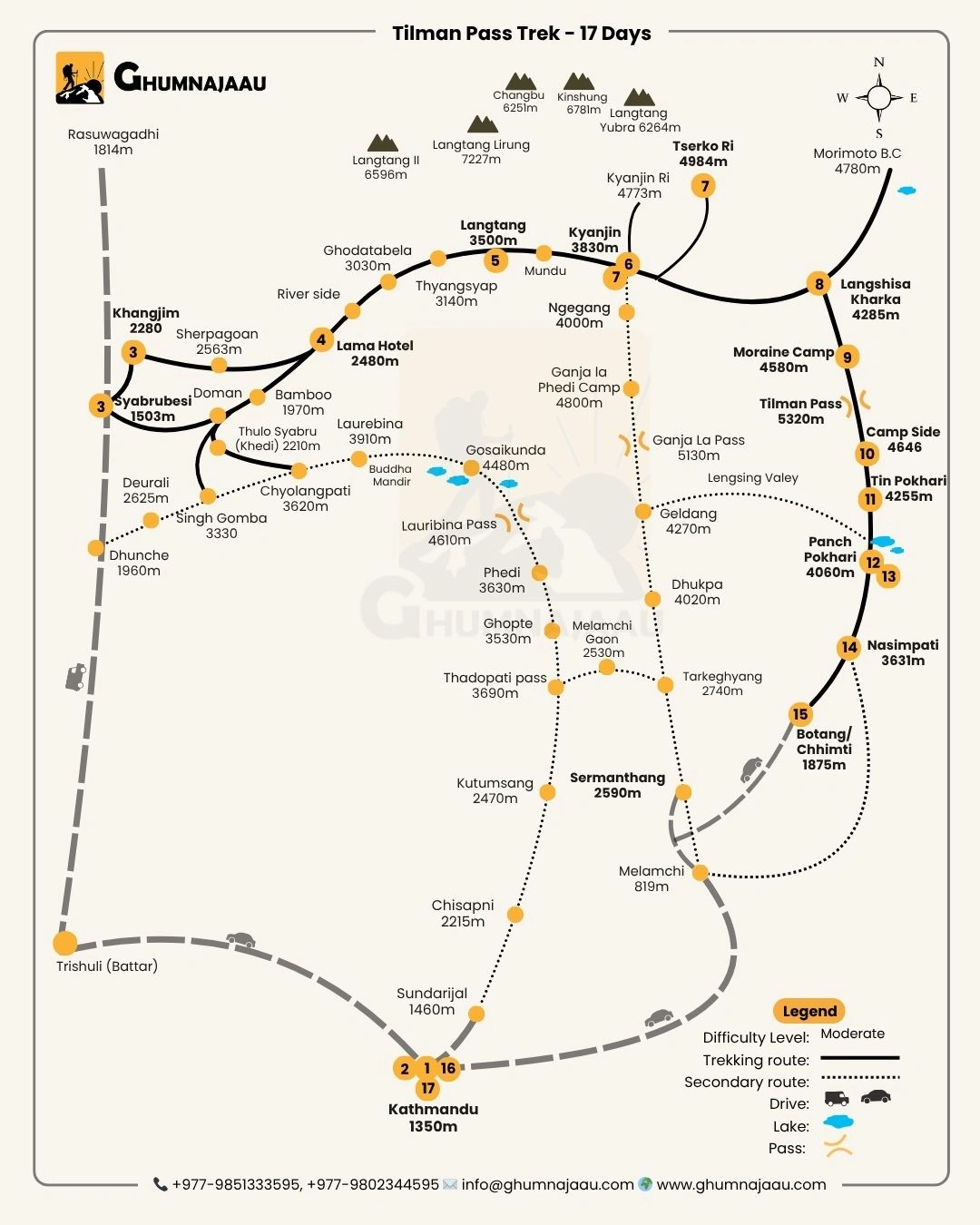
The trek begins with a scenic drive from Kathmandu to Syabrubesi via Dhunche.
Transportation Route
The road journey passes through rivers, terraced hills, mountain villages, and beautiful countryside landscapes. Private jeep transportation can also be arranged for added comfort and flexibility.
Experienced Local Guides - Our professional English-speaking guides have extensive experience in high-altitude trekking and remote Himalayan expeditions.
Safety First Approach - We prioritize acclimatization, proper logistics, emergency preparedness, and client safety throughout the journey.
Authentic Local Experience - We connect travelers with local culture, traditions, and genuine Himalayan hospitality.
Well-Organized Trekking Operations - From transportation to permits, accommodations, meals, and camping logistics — we manage every detail professionally.
Responsible & Sustainable Tourism - We support local communities and promote environmentally responsible trekking practices.
Challenge yourself on one of Nepal’s most rewarding and remote trekking routes.
Explore untouched valleys, glaciers, sacred lakes, and breathtaking Himalayan landscapes.
📩 Contact Ghumnajaau today for customized itineraries, pricing, and expert travel support.
✅ Limited departures available during peak trekking seasons — reserve your adventure now!
Welcome to Nepal! Upon your arrival at Tribhuvan International Airport, our representative will greet you and transfer you to your hotel. Take some time to relax and prepare for your adventure ahead.
After breakfast, embark on a guided cultural tour of Kathmandu Valley. Visit UNESCO World Heritage Sites including Swayambhunath (Monkey Temple), Pashupatinath Temple, and Boudhanath Stupa. Enjoy authentic Nepali meals at local restaurants before returning to your hotel.
Depart early for a scenic drive through winding mountain roads, passing Trishuli Bazaar and lush hillsides. From Syabrubesi, the gateway to Langtang, begin your short uphill trek to Khangjim—a traditional Tamang village with panoramic views.
Follow the trail through Sherpagaon, a picturesque Tamang settlement with sweeping valley vistas. Continue through rhododendron and oak forests before reaching Lama Hotel, nestled in a tranquil woodland setting.
Ascend steadily through dense forest with occasional glimpses of Langtang Lirung (7227m). Pass Ghodatabela before reaching Langtang Village—one of the region’s oldest settlements, rebuilt after the 2015 earthquake.
A gentle ascent leads you through Sindum and Yamphu villages, surrounded by yak pastures and spectacular mountain views. Arrive at Kyanjin Gompa, home to an ancient monastery and surrounded by snow-capped peaks.
Spend the day acclimatizing and exploring. Hike to Tserko Ri for breathtaking views of Langtang Lirung, Langshisha Ri, and Yala Peak. Visit the centuries-old Kyanjin Gompa and the local yak cheese factory before returning to camp.
Day 8: Trek from Kyanjin Gompa to Langshisa Kharka (4080m) | 5–6 hrs
Start early to avoid rockfall on frozen terrain. Trek through icy slopes and glacial landscapes, with magnificent views of Langshisa Ri (7427m) and Dorje Lakpa (6966m). Reach Langshisa Kharka, marked by prayer flags and stone cairns.
Meals: Breakfast, Lunch & Dinner
Accommodation: Tented Camp
Day 9: Trek from Langshisa Kharka to Moraine Camp (4580m) | 5–6 hrs
Ascend steeply along the Langshisa Glacier, surrounded by rugged alpine scenery and towering peaks. The Moraine Camp offers stunning views of the Langtang Himal range.
Meals: Breakfast, Lunch & Dinner
Accommodation: Tented Camp
Day 10: Trek from Moraine Camp to Yak Kharka (4825m) via Tilman’s Pass (5320m) | 7–8 hrs
A challenging day as you cross the high and icy Tilman Pass—the toughest section of the trek. From the summit, enjoy a panoramic Himalayan vista before descending carefully to Yak Kharka.
Meals: Breakfast, Lunch & Dinner
Accommodation: Tented Camp
Start early to avoid rockfall on frozen terrain. Trek through icy slopes and glacial landscapes, with magnificent views of Langshisa Ri (7427m) and Dorje Lakpa (6966m). Reach Langshisa Kharka, marked by prayer flags and stone cairns.
Day 9: Trek from Langshisa Kharka to Moraine Camp (4580m) | 5–6 hrs
Ascend steeply along the Langshisa Glacier, surrounded by rugged alpine scenery and towering peaks. The Moraine Camp offers stunning views of the Langtang Himal range.
Meals: Breakfast, Lunch & Dinner
Accommodation: Tented Camp
Day 10: Trek from Moraine Camp to Yak Kharka (4825m) via Tilman’s Pass (5320m) | 7–8 hrs
A challenging day as you cross the high and icy Tilman Pass—the toughest section of the trek. From the summit, enjoy a panoramic Himalayan vista before descending carefully to Yak Kharka.
Meals: Breakfast, Lunch & Dinner
Accommodation: Tented Camp
Ascend steeply along the Langshisa Glacier, surrounded by rugged alpine scenery and towering peaks. The Moraine Camp offers stunning views of the Langtang Himal range.
A challenging day as you cross the high and icy Tilman Pass—the toughest section of the trek. From the summit, enjoy a panoramic Himalayan vista before descending carefully to Yak Kharka.
Descend along snowy and rocky slopes toward Tin Pokhari, meaning “Three Lakes.” This serene campsite offers stunning reflections of the surrounding peaks.
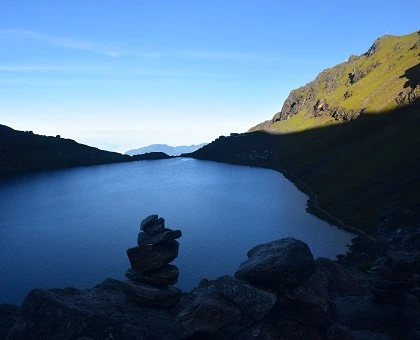
Continue through rocky hills and forests toward the sacred lakes of Panchpokhari—five beautiful alpine lakes revered by Hindu and Buddhist pilgrims.
Spend the day exploring the five lakes and surrounding valley. Hike for sunrise views of Dorje Lakpa and Jugal Himal. Visit the Lord Shiva shrine, a key pilgrimage site during the Janai Purnima festival.
Descend gradually through rocky hills and alpine terrain to reach Nasimpati, a serene rest point surrounded by natural beauty.
Continue your descent through forests and small hamlets to the Tamang village of Bhotang, where you’ll experience warm hospitality and local culture.
After breakfast, drive back to Kathmandu, stopping for lunch at Melamchi Bazaar. Enjoy the scenic journey through terraced hills and rural landscapes before checking into your hotel for a well-deserved rest.
After breakfast, our team will transfer you to Tribhuvan International Airport for your onward flight. We hope you leave Nepal with unforgettable memories of your Tilman Pass adventure.
The trek is considered very strenuous and is suitable for experienced trekkers with excellent physical fitness and previous high-altitude trekking experience.
The highest point is Tilman Pass at 5,320 meters (17,454 feet).
Yes, previous trekking experience in high-altitude regions is strongly recommended due to the challenging terrain and remote conditions.
Yes. Beyond Kyanjin Gompa, accommodation is limited, so organized tented camping is necessary in remote sections.
Trekkers need a Langtang National Park Permit and TIMS Card.
Spring (March–May) and Autumn (September–November) are the best seasons for stable weather and clear mountain views.
Yes. Proper acclimatization, hydration, and gradual ascent are very important during this trek.
Hiring an experienced guide is highly recommended due to the remote terrain, glacier crossings, and difficult navigation.
Hotels in Kathmandu, teahouses in lower villages, and tented camping in remote alpine areas are provided.
The all-inclusive package price starts from USD 2675 per person based on a minimum of 2 trekkers.