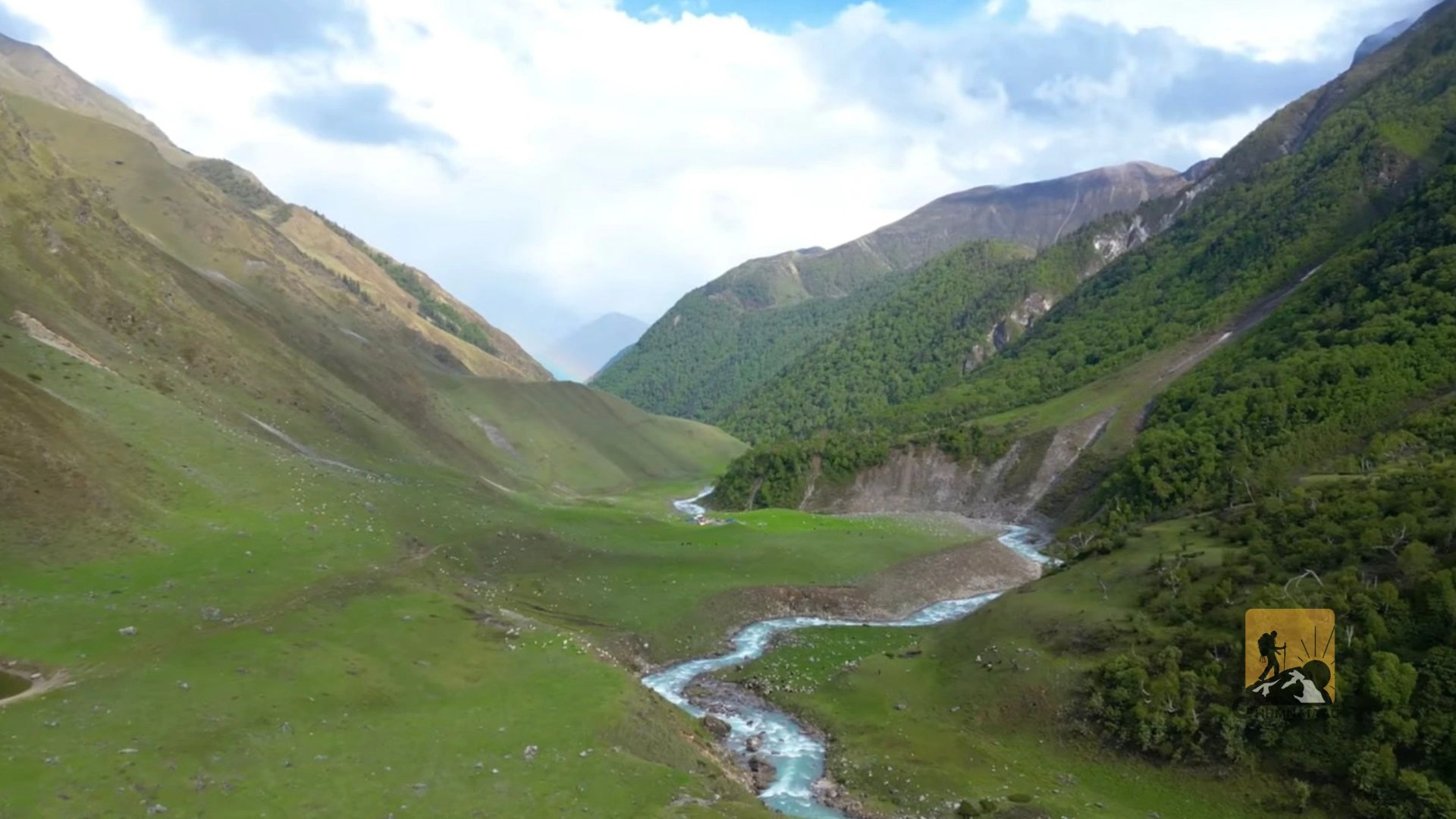
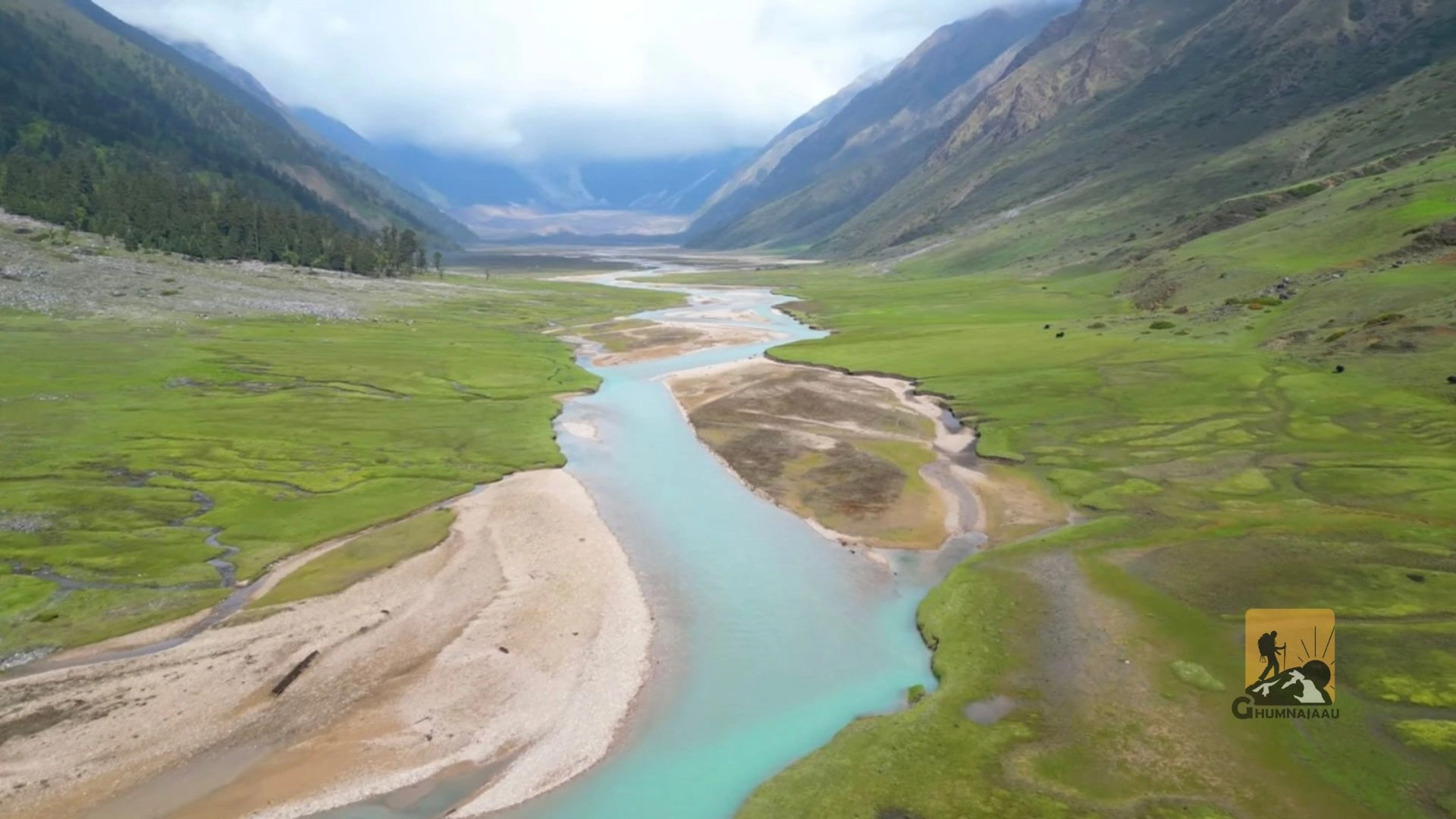
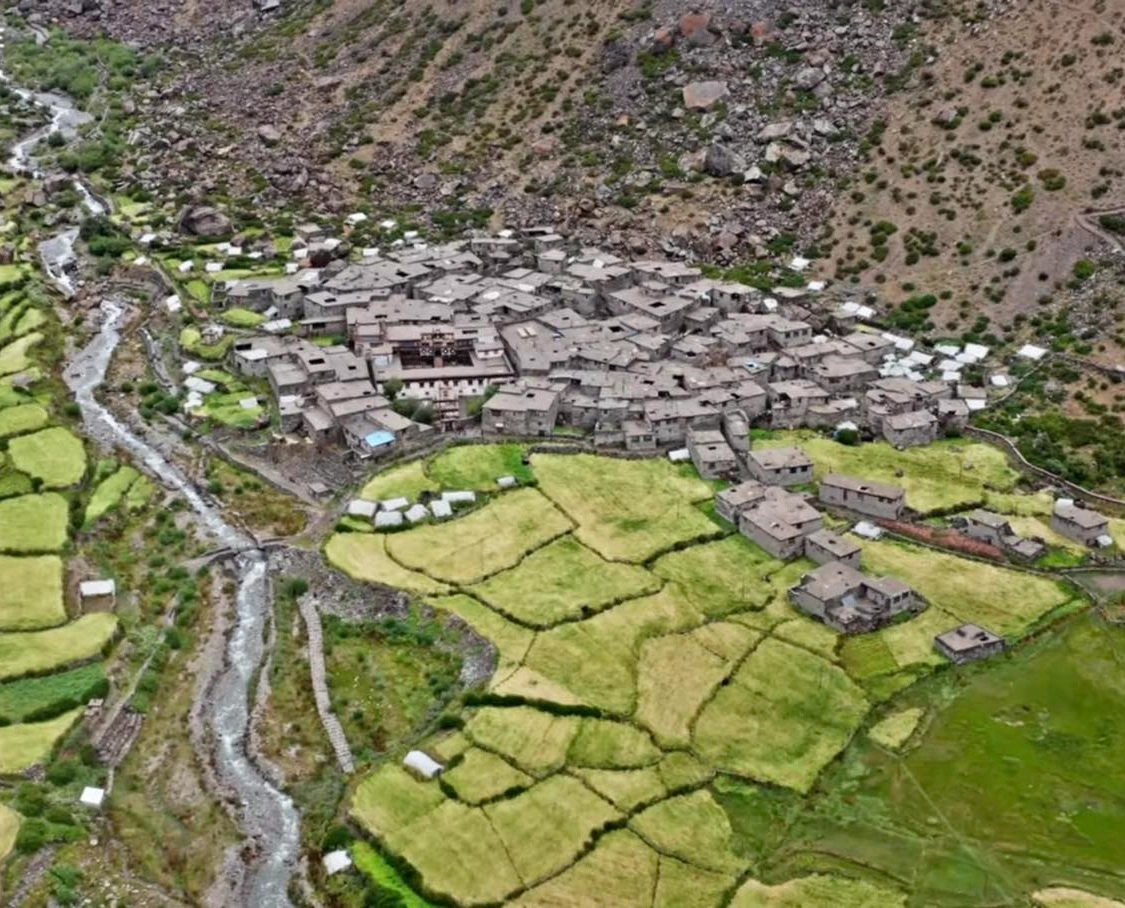
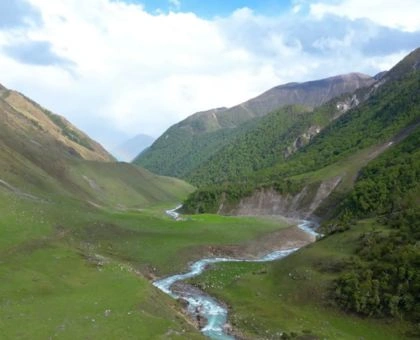

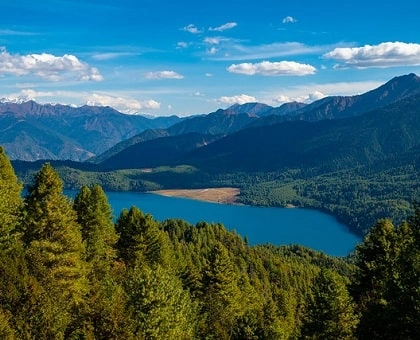
The Saipal Himal Base Camp North & East Trek is one of Nepal’s most remote and untouched Himalayan adventures, taking trekkers deep into the hidden wilderness of far-west Nepal. Far away from crowded trekking trails, this extraordinary 21-day journey rewards travelers with breathtaking views of Mt. Saipal (7,031m), pristine alpine valleys, high mountain passes, ancient villages, and authentic Himalayan culture. Designed for true adventure seekers, the trek offers a rare opportunity to explore isolated landscapes, connect with welcoming local communities, and experience the raw beauty of Nepal’s unexplored Himalayas.
The Saipal Himal Base Camp North & East Trek is a rare Himalayan expedition into the remote Humla region of far-west Nepal. This challenging camping trek takes adventurers through dramatic mountain landscapes, isolated valleys, and culturally rich villages where traditional lifestyles remain untouched by modernization.
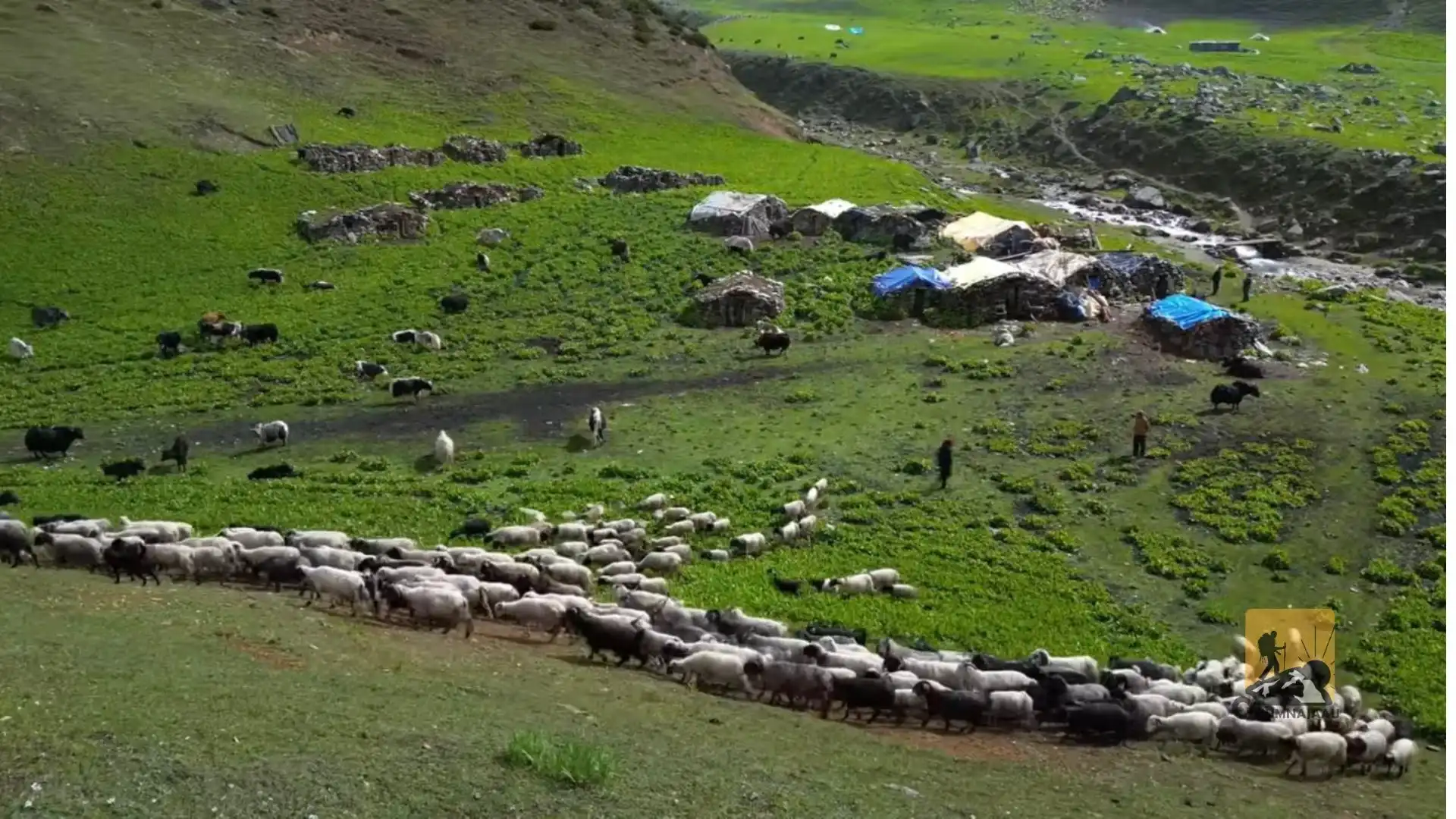
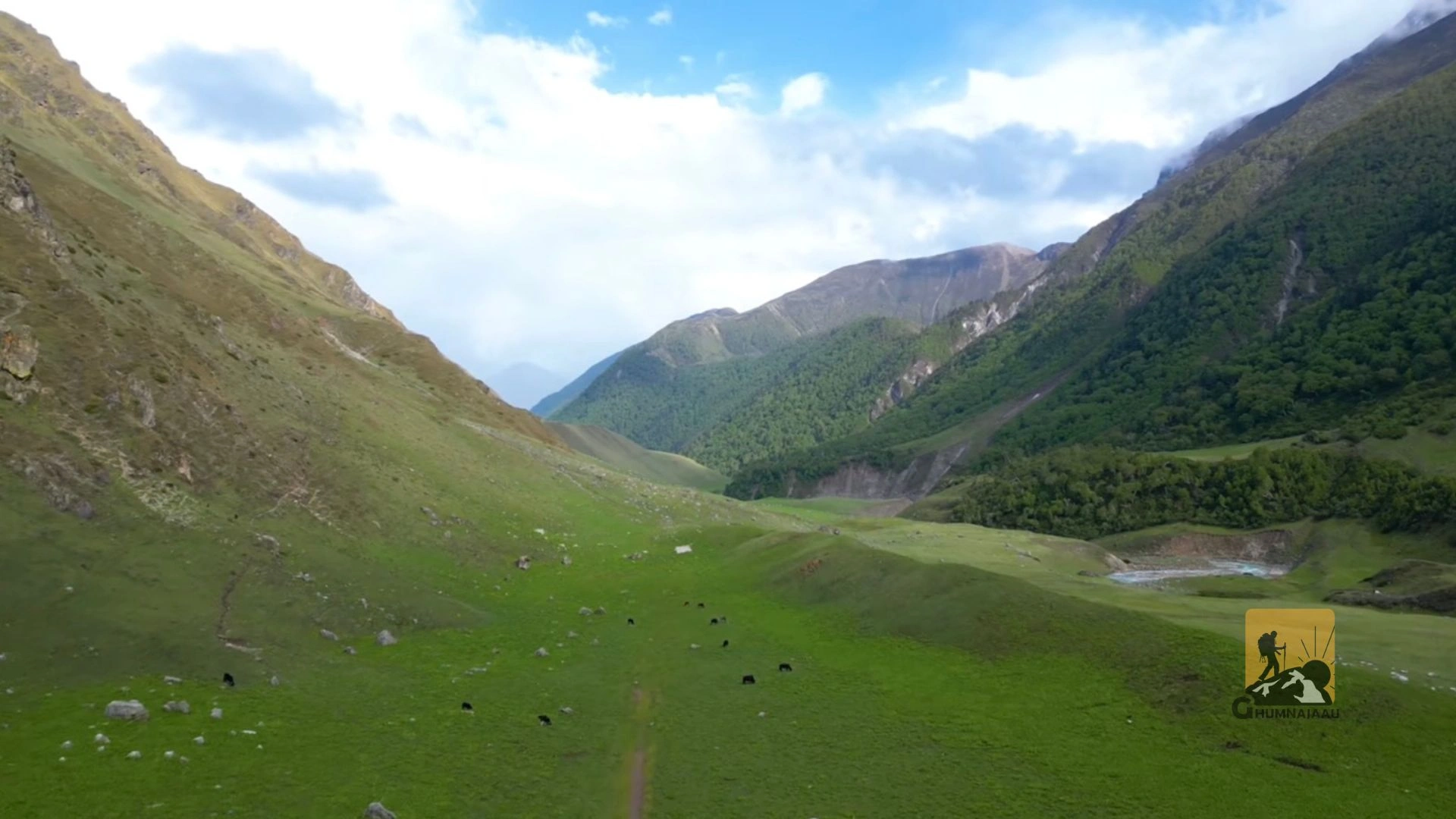
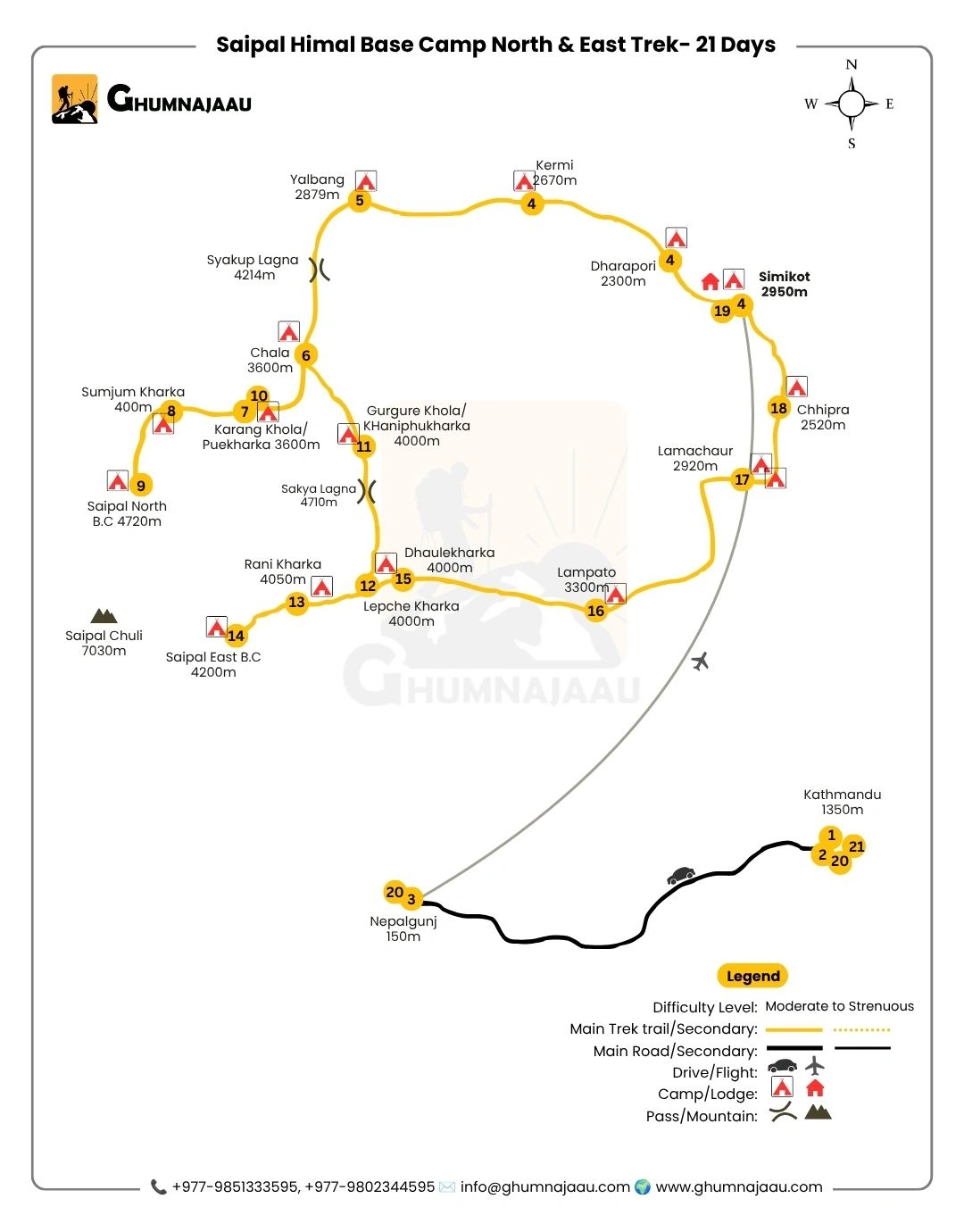
The journey begins with scenic flights from Kathmandu to Nepalgunj and onward to Simikot, the gateway to Humla. From Simikot, the trail follows ancient trade routes along the Karnali River, passing traditional villages such as Dharapori, Kermi, and Yalbang. Trekkers encounter Buddhist monasteries, prayer flags, mani walls, and warm local hospitality throughout the journey. As the trek ascends higher into alpine terrain, the landscape transforms into vast meadows, glacial streams, rocky moraines, and dramatic Himalayan ridges. The route crosses two beautiful mountain passes — Syakup Lagna (4,214m) and Sakya Lagna (4,710m) — offering panoramic views of Mt. Saipal, Api Himal, and surrounding snow-capped peaks.
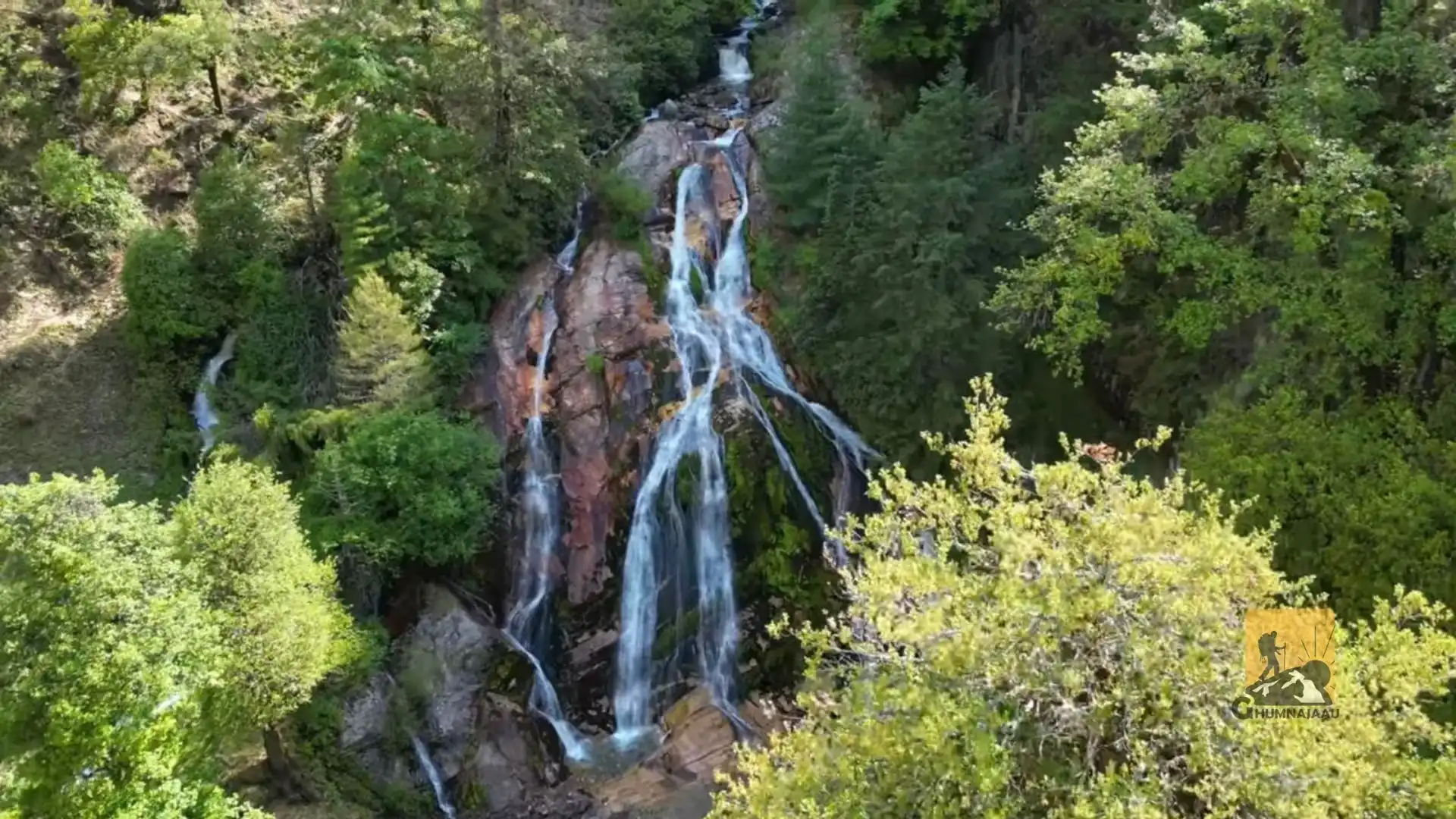
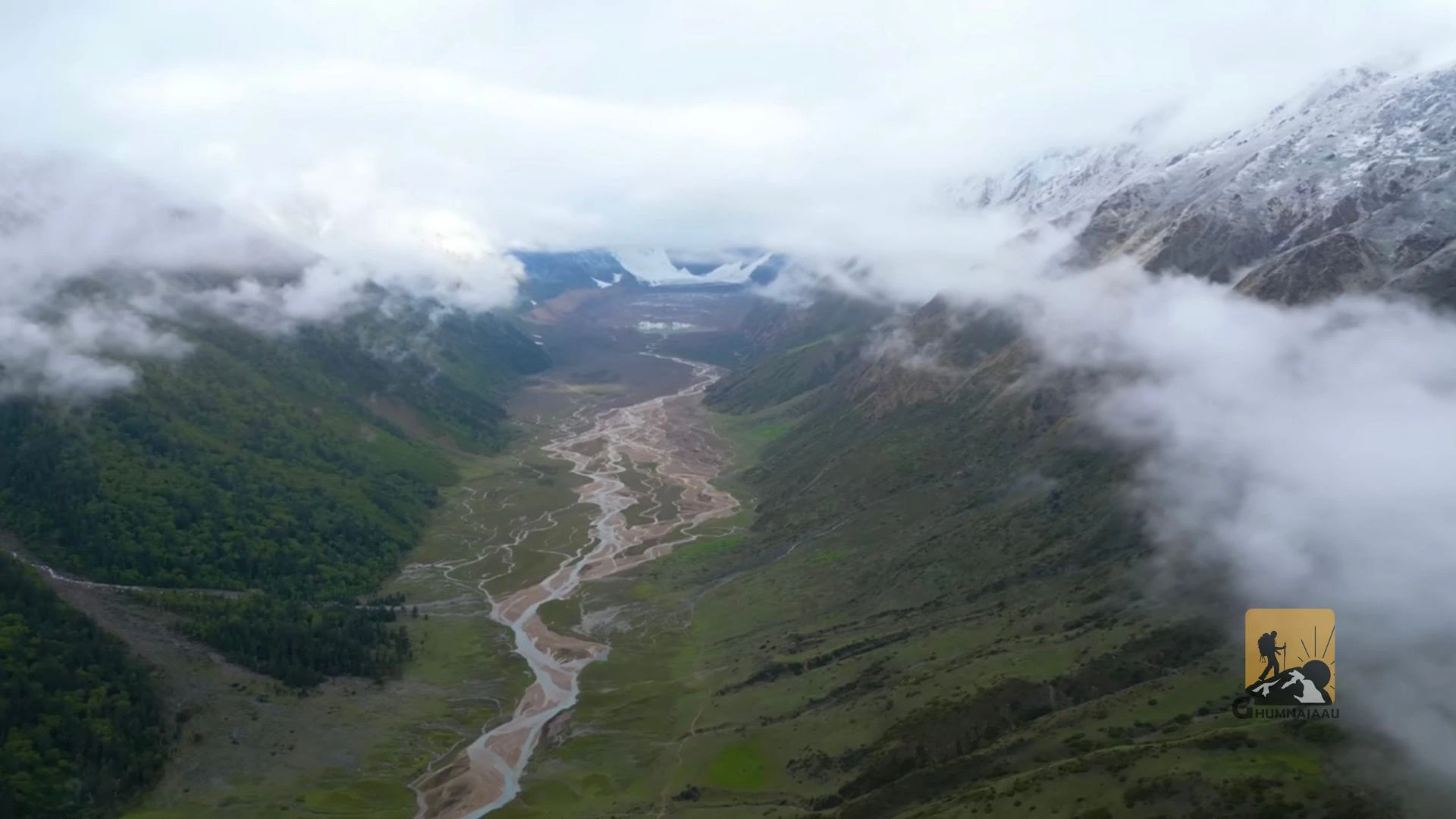
The major highlight of the trek is visiting both the North Base Camp and East Base Camp of Saipal Himal. These untouched high-altitude locations offer extraordinary close-up views of glaciers, ice walls, and pristine Himalayan wilderness rarely seen by trekkers. The region is also rich in biodiversity, featuring rhododendron forests, alpine vegetation, rare medicinal herbs, and Himalayan wildlife. Due to the remote nature of the area, the trail remains peaceful and uncrowded, making it a perfect trek for those seeking solitude, exploration, and authentic adventure in Nepal.
The Saipal Himal Base Camp Trek stands out as one of Nepal’s most authentic wilderness trekking experiences. Unlike commercial trekking regions, this route remains completely off the beaten path, allowing trekkers to experience untouched Himalayan nature and genuine local culture.
What makes this trek truly special is the opportunity to visit both the North and East Base Camps of Mt. Saipal in a single journey. The trek combines remote mountain scenery, cultural immersion, alpine camping, and challenging adventure in one unforgettable expedition.
This trek is ideal for experienced trekkers seeking solitude, raw Himalayan beauty, and a deeper connection with nature far from crowded trekking trails.
Day 01: Arrival in Kathmandu (1350m/4429ft.)
Day 02: Permit procedure and flight Kathamndu to Nepalgung (150m)/ 50minutes flight.
Day 03: Flight from Nepalgunj to Simikot (2985m) 45 minutes and trek to Dharapori (2360m) 3 hours trek (8.5km)
Day 04: Trek from Dharapori (260m) to Kermi (2860m)/4-5 hours (10km)
Day 05: Trek from Kermi (2860m) to Yalbang (2879m)/4-5 hours (10.5km)
Day 06: Trek from Yalbang(2879m) to Chala(3600m) via Syakup Lagna 4214m./5-6 hours (10.2km)
Day 07: Trek from Chala(3600m) to Karangkhola/Puekharka (3600m)/4-5 hours. (9km)
Day 08: Trek from Karankhola (3600m) to Sumjumkharka (4000m)/4-5 hours (8km)
Day 09: Explore Saipal North Base Camp(4720m)/3 hours (7.5km)
Day 10: Trek from Base camp/Sumjhumkharak(4000m) to Puekharka/Karang Khola (3600m)/6-7 hours (13km)
Day 11: Trek from Puekharka/Karang Khola(3600m) to Gurgure Khola/Khaniphukharka(4000m)/5-6 hours. (13.5km)
Day 12: Trek from Gurgure Khola/Khaniphukharka (4000m) to Lepcha Khola/Lepchekharka(4000m) via Sakya Lagna 4710m./6-7 hours (10.2km)
Day 13: Trek from Lepcha Khola/Lepchekharka (4000m) to Ranikharka(4050m)/2-3 hours (5km)
Day 14: Explore Saipal East Base Camp (4200m)/2-4 hours (4+4 km)
Day 15: Trek from Rani Kharka (4050m) to Dhaulekharka(4000m/3-4 hours. (7km)
Day 16: Trek from Dhaulekharka (4000m) to Lampato (3300m)/5-6 hours (12.75km)
Day 17: Trek from Lampato (3600m) to Lama Chaur(2920m)/5-6hours (12.6km)
Day 18: Trek from Lama Chaur(2920m) to Chhipra (2520m)/5-6 hours (14.5km)
Day 19: Trek from Chhipra(2520m) to Simikot (2985m)/4-5 hours. (8.5km)
Day 20: Morning Flight from Simikot to Nepalgunj 55 minutes by plane and afternoon flight to Kathmandu 1 hour by plane.
Day 21: Departure from Kathmandu
Spring (March to May)
Spring is one of the best seasons for the Saipal Himal Trek. The weather remains stable with clear mountain views, moderate temperatures, and blooming rhododendron forests. Trails are colorful and ideal for high-altitude trekking.
Autumn (September to November)
Autumn offers crystal-clear skies, dry weather, and excellent visibility. This is the most popular trekking season in Nepal due to stable conditions and comfortable temperatures.
Winter (December to February)
Winter brings heavy snowfall and extremely cold temperatures at higher elevations. The passes may become difficult, making trekking more challenging.
Monsoon (June to August)
The monsoon season brings rain, slippery trails, and flight delays. However, lower valleys become lush and green. Trekking is possible but less recommended.
The journey begins in Kathmandu with a domestic flight to Nepalgunj, followed by another scenic mountain flight to Simikot, the starting point of the trek.
Transportation Breakdown:
All airport transfers and ground transportation are arranged by private vehicle.
Due to the remote geography of Humla, flights may occasionally be delayed because of weather conditions.
Discover one of Nepal’s last untouched trekking destinations with the unforgettable Saipal Himal Base Camp North & East Trek. From remote alpine valleys and sacred mountain culture to breathtaking glacier views and peaceful wilderness, this journey promises a lifetime experience for true adventure seekers.
👉 Contact Ghumnajaau today for customized itineraries, group bookings, and special departures for 2026/2027.
Limited departures available due to restricted area permits — reserve your adventure early!
Arrival at Tribhuvan International Airport, Kathmandu. Our team will welcome you and transfer you to the hotel. Short briefing about the trek, equipment check, and evening preparation.
Morning permit preparation and trek briefing. Afternoon scenic flight to Nepalgunj, located in the western Terai. Hot and humid climate, with cultural sights and bustling markets of the Terai plain. Overnight in Nepalgunj.
A short mountain flight to Simikot, gateway to Humla. The trek begins with a gentle descent through terraced fields and small villages. Trails pass pine forests and riverside paths until reaching Dharapori, a small settlement.
A steady uphill walk along the Humla Karnali River. Trails lead through cultivated land, walnut and apricot trees, and Buddhist chortens. Kermi is famous for natural hot springs, perfect for a relaxing soak.
Gradual trail along the Karnali River with suspension bridge crossings. Pass Mani walls, prayer flags, and small Buddhist monasteries. Camp near Yalbang, where you can visit the local monastery.
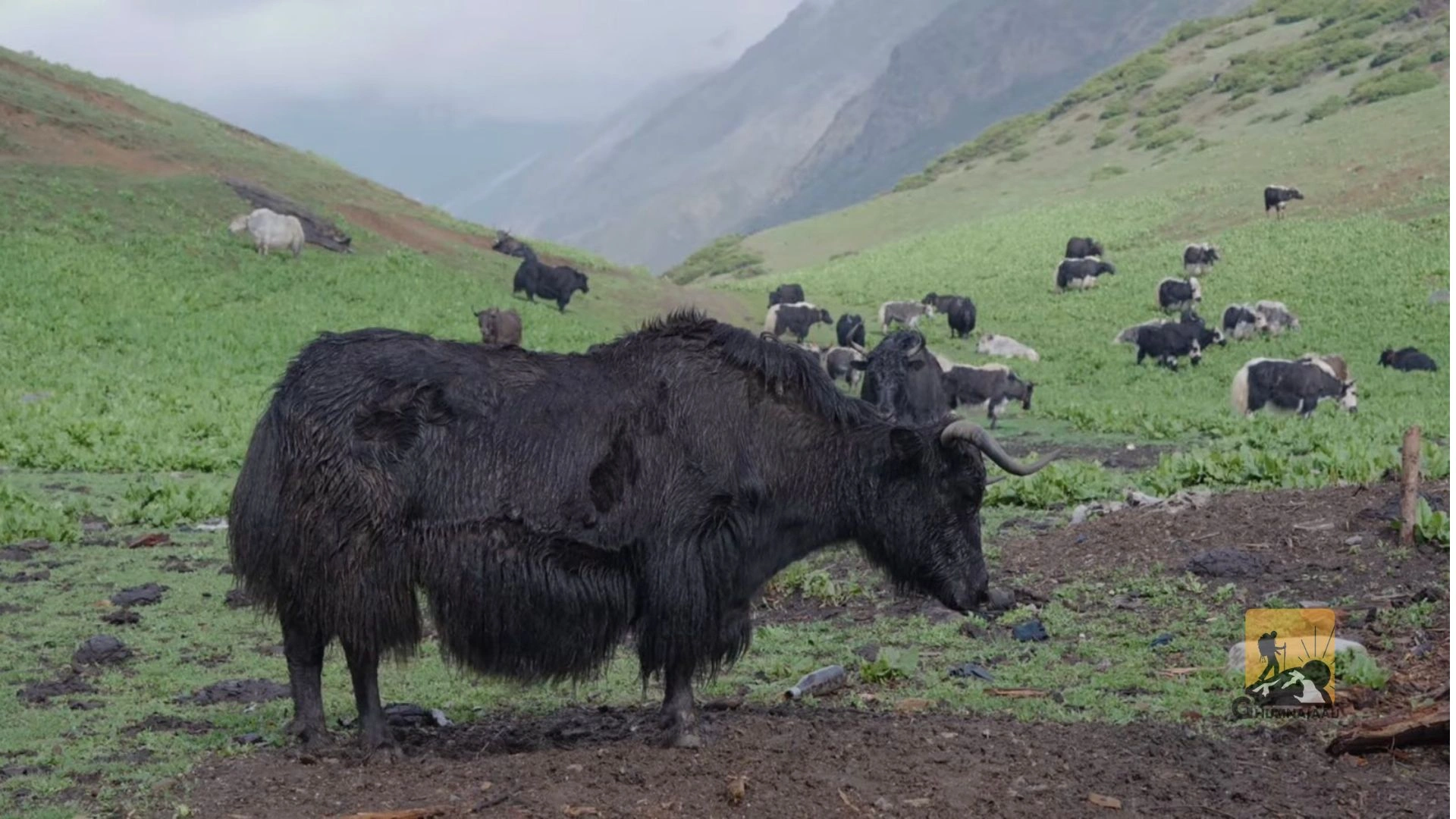
Challenging climb to Syakup Lagna Pass with panoramic views of Humla and Saipal ranges. Descend into high alpine terrain with yak pastures before reaching Chala, a beautiful campsite surrounded by mountain landscapes.
A balanced day with ups and downs through alpine ridges and grasslands. Shepherd settlements and panoramic views dominate the trail. Camping near the riverbank at Karang Khola.
Gradual ascent into alpine meadows with wildflowers. A pristine high-altitude environment with views of Saipal Himal. Camp at Sumjumkharka, a meadow base before the North Base Camp.
Day hike to Saipal North Base Camp. Trails pass rocky moraine, glacial streams, and stunning close-up views of Mt. Saipal. Return to Sumjumkharka for overnight.
Retrace steps through alpine pastures and ridges. Long descent with views of Saipal Himal in the background.
Trek along high ridges and valleys, crossing rivers and meadows. The campsite is near Khaniphukharka, surrounded by alpine wilderness.
Steep climb to Sakya Lagna Pass with 360° views of Saipal Himal, Api Himal, and surrounding valleys. Descend to Lepcha Khola camp by the river.
Trail Briefing: A short day, walking through lush alpine meadows, forests, and ridges to reach Rani Kharka. Rest day before East Base Camp exploration.
Day hike to East Base Camp of Mt. Saipal. Stunning views of ice walls, glacial valleys, and wild alpine scenery. Return to Rani Kharka for camping.
Easy trekking day through alpine pastures and open valleys. Great views of surrounding mountains and wilderness.
A long descent through alpine ridges, rhododendron forests, and grassy pastures. Lampato is a peaceful campsite surrounded by forest.
The trail continues downhill, passing villages, terraced fields, and forested sections. Cultural encounters with local communities on the way.
Long but scenic descent through forests, farming land, and riverside trails. Chhipra is a lively village with a mix of culture and landscapes.
Final trekking day. The trail ascends gradually along the Karnali River valley. Arrive at Simikot and celebrate trek completion.
Morning scenic mountain flight back to Nepalgunj, then connect flight to Kathmandu. Leisure evening in Kathmandu.
Final day in Nepal. After breakfast, transfer to airport for your onward journey.
Trip Cost – What’s Included & Excluded.
Saipal Himal lies in far-western Nepal in the remote Humla and Bajura region near the Tibetan border.
It is a moderate to strenuous trek suitable for experienced trekkers with good physical fitness.
The highest point is Saipal North Base Camp at 4,720m.
Yes, prior high-altitude trekking experience is highly recommended due to the remote terrain and camping conditions.
Accommodation includes hotels in Kathmandu and Nepalgunj, and tented camping during the trek.
Yes, altitude sickness can occur above 3,000m. Proper acclimatization and hydration are essential.
Trekkers need the Humla Restricted Area Permit and other necessary trekking permits.
Facilities are very limited in remote areas. Some villages may offer solar charging.
Spring (March–May) and Autumn (September–November) are the best trekking seasons.
Yes, the trek itinerary can be fully customized according to your time, fitness, and travel preferences.