.jpg)

.jpg)
.jpg)
Hidden deep in the remote wilderness of western Nepal, the Humla Chang La Valley (Nying Valley) Camping Trek is a rare Himalayan journey into untouched landscapes, ancient Tibetan culture, and breathtaking alpine valleys. Far from Nepal’s crowded trekking routes, this extraordinary expedition follows centuries-old trading trails through pristine forests, isolated mountain villages, sacred monasteries, and dramatic high passes beneath the towering Chang La massif. Perfect for adventure seekers looking for authentic wilderness experiences, this trek offers a once-in-a-lifetime opportunity to explore one of Nepal’s last hidden Himalayan frontiers.
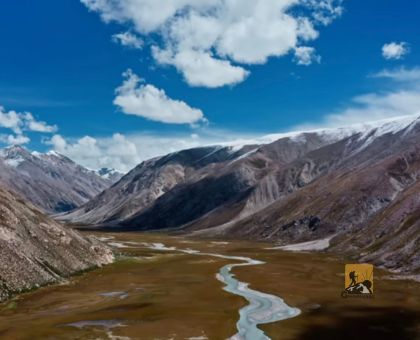
The Humla Chang La Valley (Nying Valley) Camping Trek is an extraordinary wilderness adventure in the remote Humla District of western Nepal. Starting from Simikot, the administrative center of Humla, the trail gradually enters isolated valleys untouched by modern development. The trek follows the scenic Chang River Valley through dense pine forests, medicinal herb-rich hillsides, alpine meadows, and high-altitude yak pastures.
As the journey progresses, trekkers are rewarded with mesmerizing views of snow-covered Himalayan peaks, dramatic glaciers, and hidden turquoise alpine lakes surrounding the sacred Chang La region. The trail traverses ancient caravan routes once used by Tibetan traders carrying salt and wool between Nepal and Tibet. One of the most fascinating aspects of this trek is the cultural immersion. The region is heavily influenced by Tibetan Buddhism, and trekkers encounter centuries-old monasteries, prayer flags, mani walls, chortens, and traditional stone villages where life remains unchanged for generations.
The route also forms part of the legendary Great Himalayan Trail (GHT), offering raw wilderness, cultural authenticity, and complete Himalayan solitude rarely found elsewhere in Nepal. Every day brings new landscapes, remote campsites, wildlife encounters, and unforgettable mountain panoramas.
Unlike popular trekking routes in Nepal, the Humla Chang La Valley Trek remains completely off-the-beaten-path. This trek is ideal for travelers seeking true wilderness, cultural authenticity, and adventure beyond commercial trekking trails.
What Makes This Trek Special?
Day 01: Arrival in Kathmandu (1,350m) – Meet team and transfer to hotel.
Day 02: Free morning in Kathmandu; afternoon flight to Nepalgunj (150m).
Day 03: Fly Nepalgunj to Simikot (2,910m) and trek to Gyagru (3,200m) – 6 hrs.
Day 04: Trek Gyagru to Mathillo Sangu (3,300m) – 6–7 hrs.
Day 05: Trek Mathillo Sangu to Yakru Chaur (3,700m) – 5–6 hrs.
Day 06: Trek Yakru Chaur to Gurukpa (3,930m) – 6–7 hrs.
Day 07: Trek Gurukpa to Phya Khor (≈4,100m) – 6 hrs.
Day 08: Trek Phya Khor to Nyotang Phuk (4,250m) – 7 hrs.
Day 09: Trek Nyotang Phuk to Changwathang (4,600m) – 5–6 hrs.
Day 10: Trek Changwathang to Changla Valley / Base Camp (4,900m) – 5–6 hrs.
Day 11: Explore Changla Valley; return to Changwathang – 5 hrs.
Day 12: Trek Changwathang to Nyotang Phuk – 6 hrs.
Day 13: Trek Nyotang Phuk to Tashi Lhung (4,350m) – 7 hrs.
Day 14: Trek Tashi Lhung to Phyajang (4,400m) – 7 hrs.
Day 15: Trek Phyajang over Phyajang Pass to Nying Khola (≈4,200m) – 5–6 hrs.
Day 16: Trek Nying Khola to Nying Chaur (4,150m) – 7 hrs.
Day 17: Trek Nying Chaur to Talung (4,300m) – 6 hrs.
Day 18: Cross Nyalu Pass (4,900m) and trek to Shengjungma (3,700m) – 7 hrs.
Day 19: Trek Shengjungma to Sechi Khola (3,900m) – 5 hrs.
Day 20: Cross Sechi La Pass (4,530m) and trek to Leh Dinga (4,000m) – 6 hrs.
Day 21: Trek Leh Dinga to Simikot (2,910m) – 5 hrs.
Day 22: Fly Simikot–Nepalgunj–Kathmandu; transfer to hotel.
Day 23: Reserve day for weather delays or leisure in Kathmandu.
Day 24: Final departure from Kathmandu.
Spring (March–May)
Spring is one of the best seasons for this trek with stable weather, blooming rhododendron forests, and clear mountain views. Temperatures are moderate, making high-altitude trekking more comfortable.
Autumn (September–November)
Autumn offers crystal-clear skies, dry trails, excellent visibility, and pleasant trekking conditions. This is the most recommended season for crossing high passes safely.
Winter (December–February)
Heavy snowfall and freezing temperatures make high passes difficult and risky. Suitable only for highly experienced winter trekkers.
Monsoon (June–August)
The lower sections receive rainfall, while upper Humla remains relatively dry. However, flights to Simikot can experience delays due to weather conditions.
The Humla Chang La Valley Trek is a strenuous camping trek suitable for physically fit trekkers with previous high-altitude trekking experience.
Physical Requirements
Altitude Challenges
Trekkers reach elevations up to 4,900m, where altitude sickness can occur. Proper acclimatization, hydration, and gradual ascent are essential.
Trekking Conditions
The route includes rocky trails, steep ascents, river crossings, alpine meadows, and remote mountain wilderness.
This is a fully supported camping trek with tented accommodation throughout the trekking journey and comfortable hotel stays in Kathmandu and Nepalgunj.
Accommodation
Meals
Nutritious full-board meals are provided during the trek:
Meals typically include rice, noodles, soup, potatoes, vegetables, pasta, Tibetan bread, eggs, porridge, and local dishes.
Facilities
Humla is one of Nepal’s most culturally preserved Himalayan regions. The trek passes through traditional Humli and Tibetan Buddhist settlements where ancient customs and lifestyles still thrive.
Trekkers can visit:
The warm hospitality of local people, colorful prayer flags, Buddhist rituals, and mountain spirituality create a deeply enriching cultural experience.
Festivals such as Losar (Tibetan New Year) showcase traditional music, dance, and community celebrations unique to the region.
Kathmandu to Nepalgunj
Nepalgunj to Simikot
Trek Start Point
Return Journey
Weather conditions in Humla can occasionally affect flight schedules, so reserve days are highly recommended.
✔ Experienced Local Guides
Our guides are born and raised in the Himalayan region with deep local knowledge and trekking expertise.
✔ Safety First Approach
We prioritize acclimatization, proper logistics, and emergency preparedness throughout the journey.
✔ Authentic Local Experience
Travel beyond tourist routes and connect deeply with local culture and communities.
✔ Responsible & Sustainable Tourism
We support local employment, eco-friendly trekking practices, and cultural preservation.
✔ Personalized Customer Support
From trip planning to departure, our dedicated team ensures a smooth and memorable experience.
Ready for the Ultimate Himalayan Wilderness Adventure?
Explore hidden valleys, ancient Tibetan trails, pristine alpine lakes, and untouched Himalayan landscapes on this extraordinary Humla Chang La Valley Camping Trek.
📩 Contact us today to customize your itinerary, check departure dates, and reserve your unforgettable Himalayan expedition with Ghumnajaau.
Arrival in Kathmandu and transfer to hotel. Meet your trekking team and attend a short briefing on trek preparations.
Morning at leisure or optional sightseeing. Afternoon 50 mins. flight to Nepalgunj, the gateway to western Nepal.
This is a strenuous high-altitude camping trek suitable for experienced trekkers with good physical fitness.
The highest elevation is around 4,900m (16,072ft) near Chang La Valley and Nyalu Pass.
Yes, previous multi-day high-altitude trekking experience is highly recommended.
Yes, proper acclimatization and hydration are essential to minimize altitude-related risks.
Hotels are used in Kathmandu and Nepalgunj, while fully supported camping tents are used during the trek.
Facilities are very limited in remote Humla regions. Power banks and solar chargers are recommended.
Trekkers need a Restricted Area Permit and other regional trekking permits.
Spring (March–May) and Autumn (September–November) are the best trekking seasons.
Yes, but trekking with guides and organized support staff is strongly recommended due to the remoteness.
Humla offers untouched Himalayan wilderness, authentic Tibetan culture, ancient trade routes, and very few tourists compared to other trekking regions in Nepal.