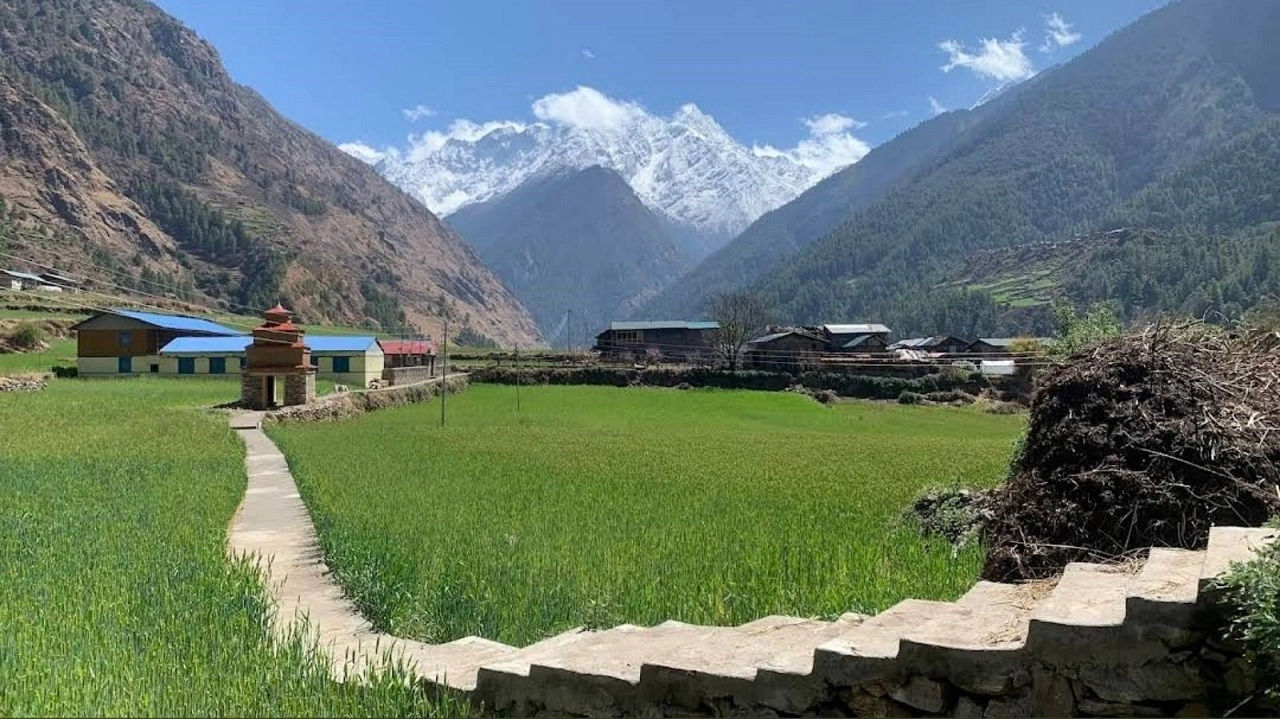
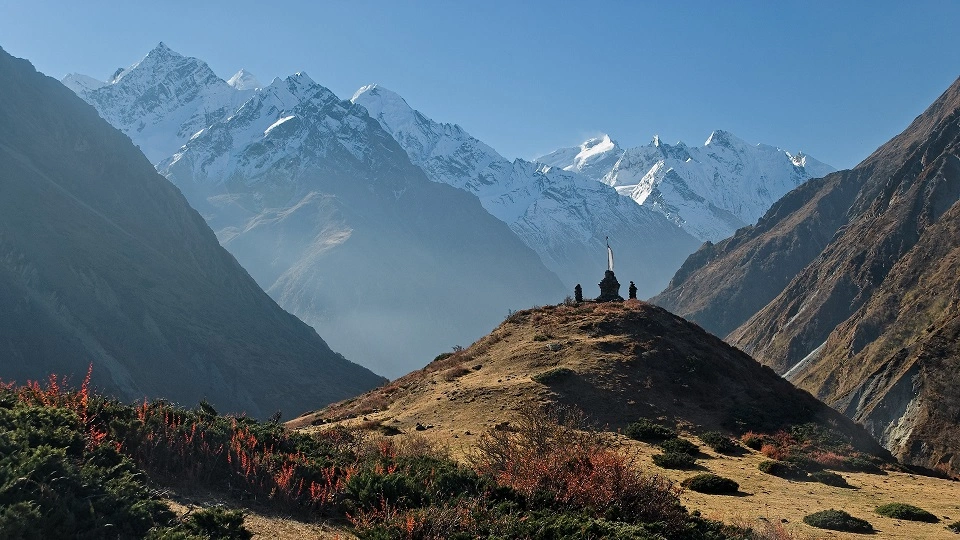
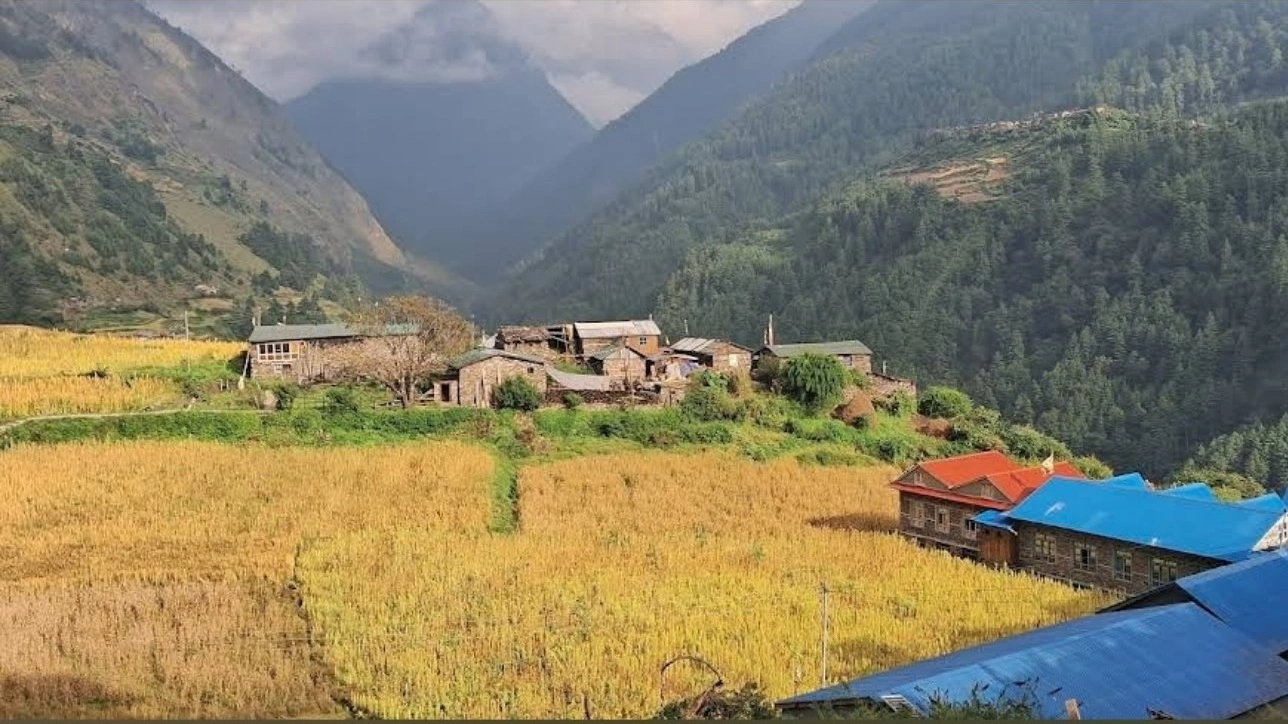
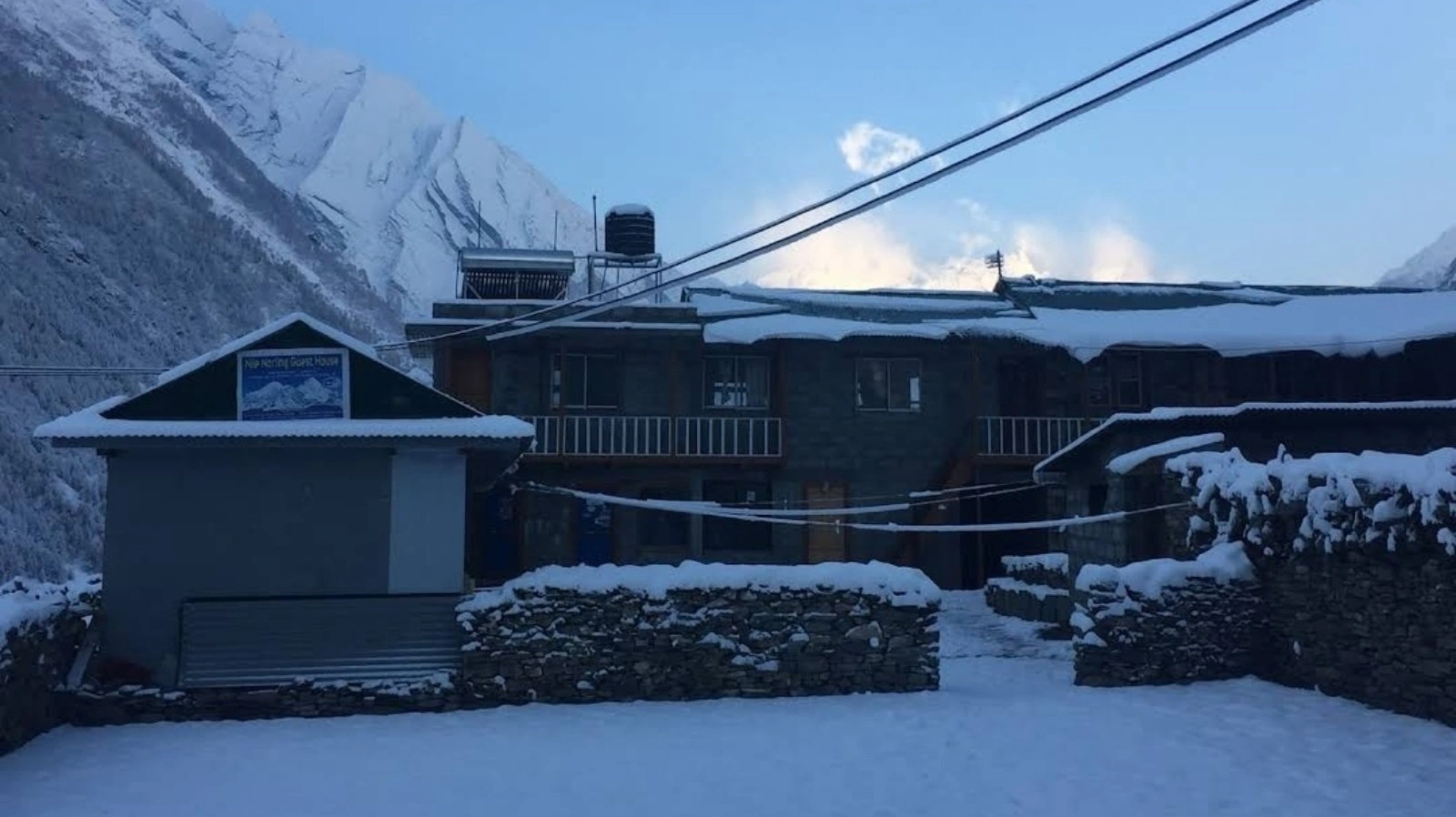
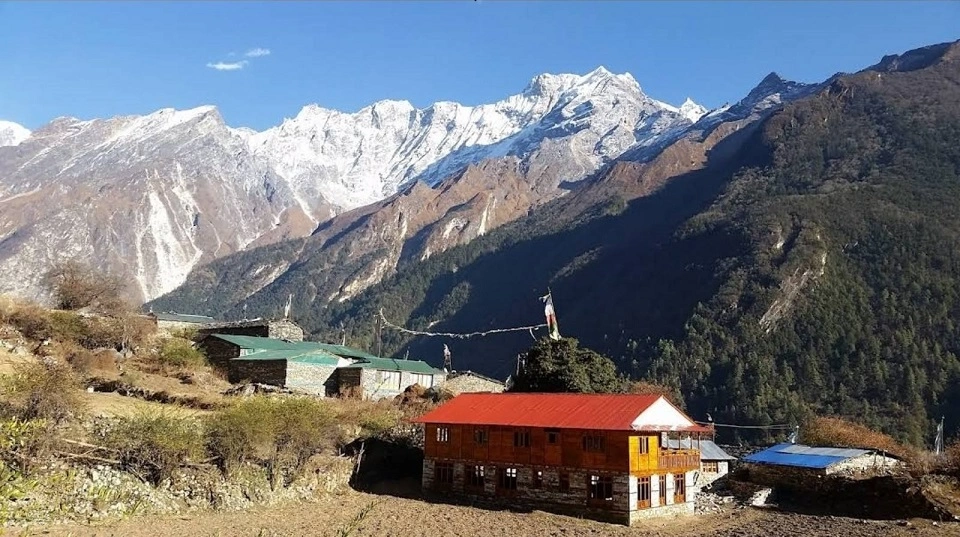
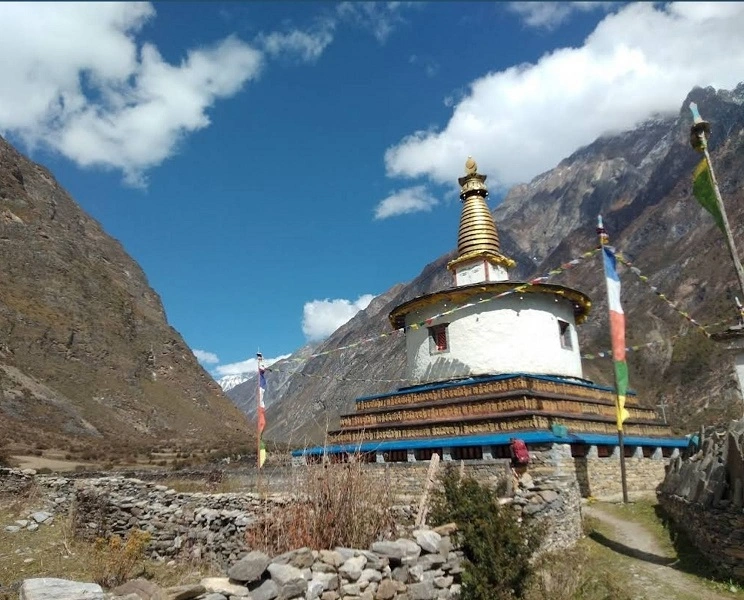
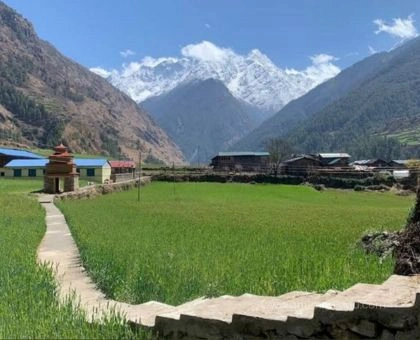
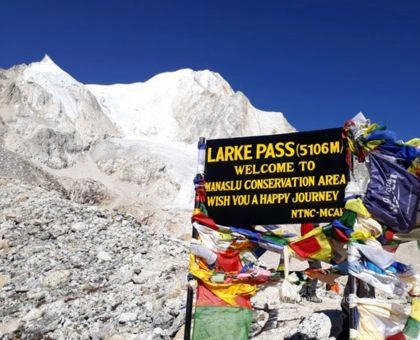
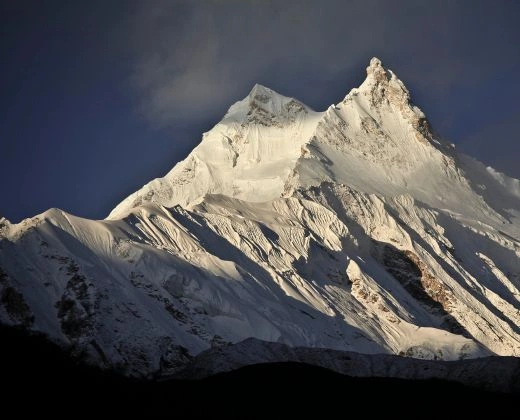
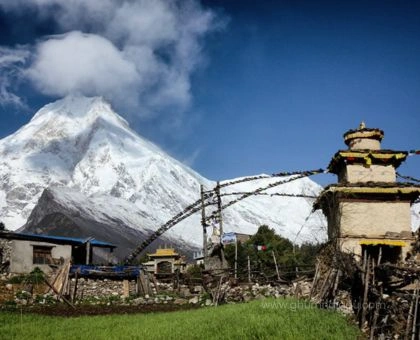
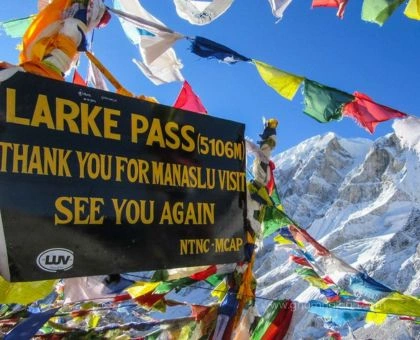
Hidden deep within the Manaslu region of Nepal, the Tsum Valley Trek with Lungdang Gompa is a journey into a sacred Himalayan world where time slows down and spirituality breathes through every trail. Known as the “Beyul Kyimolung” or the hidden valley of happiness, this trek offers a rare blend of untouched mountain beauty, ancient monasteries, and deeply rooted Tibetan Buddhist culture. From dramatic cliffs and roaring rivers to peaceful nunneries and prayer-flag-draped villages, every step feels like walking through a living Himalayan heritage.
The Tsum Valley with Lungdang Gompa trek is one of Nepal’s most spiritual and culturally preserved journeys in the Himalayas. Located in the northern part of the Manaslu region, this valley remained closed to outsiders until 2008, helping it preserve its ancient Tibetan Buddhist traditions, sacred monasteries, and untouched natural environment.
The trail follows the wild and scenic Budhi Gandaki River, passing through deep gorges, suspension bridges, waterfalls, and terraced hillsides. As you ascend higher into the valley, you enter a world of prayer wheels, mani walls, chortens, and centuries-old villages such as Jagat, Lokpa, Chumling, and Chhekampar.
The upper valley opens into a vast Himalayan sanctuary where monasteries like Mu Gompa and Lungdang Gompa stand against dramatic backdrops of snow-covered peaks. The region is rich in biodiversity, home to Himalayan birds, yaks, blue sheep, and alpine flora, making it both spiritually and naturally enriching.
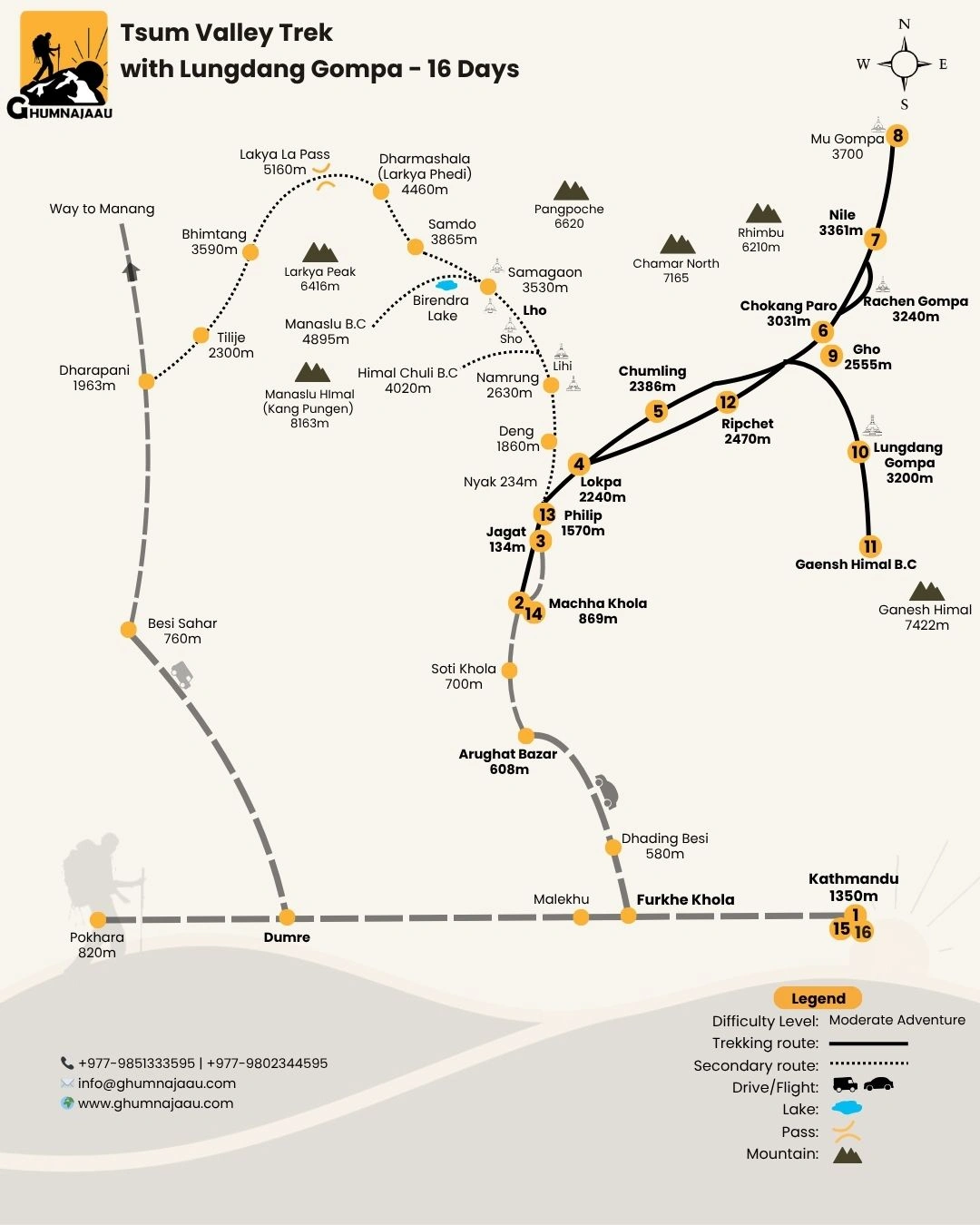
Day 01: Arrival in Kathmandu (1350m) → Transfer to Hotel.
Day 02: Drive Kathmandu → Arughat (535m) → Machhakhola (930m), 7 hrs
Day 03: Trek Machhakhola → Jagat (1,340m), 5–6 hrs, (15 km)
Day 04: Jagat → Lokpa (2,240m), 5–6 hrs, (13.5 km)
Day 05: Lokpa → Chumling (2,361m), 4–5 hrs, (16 km)
Day 06: Chumling → Chhekampar (3,010m), 4–5 hrs, (14 km)
Day 07: Chhekampar → Chhule/Nile (3,361m), 5–6 hrs (Piren Phu visit)
Day 08: Chhule/Nile → Mu Gompa (3,700m) → Dephyudonma (4,060m)
Day 09: Mu Gompa → Rachen Gompa → Gho (2,555m), 5–6 hrs
Day 10: Gho → Gumba Lungdang (3,200m), 4–5 hrs
Day 11: Explore Ganesh Himal Base Camp (4,500m), 7–8 hrs
Day 12: Gumba Lungdang → Ripchet/Sipchet (2470m), 5–6 hrs
Day 13: Ripchet/Sipchet → Philim (1570m), 5-6 hrs
Day 14: Philim → Machhakhola (930m), 7–8 hrs (17km)
Day 15: Drive Machhakhola → Kathmandu, 8–9 hrs (138km
Day 16: Final departure
The best seasons for the Tsum Valley Trek are spring (March–May) and autumn (September–November).
This is a moderate-level trek, suitable for trekkers with basic fitness and hiking experience. The trail includes long walking days, steep ascents, and remote high-altitude sections up to 3,700m+.
Challenges include:
Proper acclimatization and a licensed guide are highly recommended.
Accommodation is a mix of tea houses, homestays, and monastery shelters in remote sections.
Tsum Valley is deeply influenced by Tibetan Buddhist culture. The locals follow traditions of the Nyingma, Kagyu, and Sakya schools of Buddhism.
You will experience:
Book your Tsum Valley Trek with Lungdang Gompa with Ghumnajaau and step into a world of ancient monasteries, sacred mountains, and timeless Himalayan culture.
📩 Contact us now for availability, customized itineraries & group booking offers!
Upon arrival at Tribhuvan International Airport in Kathmandu, We're grateful for the warm welcome extended by our official. We will take you to the hotel in our private tourist vehicle. Pre-trip meeting will be done and you will meet with your trip guide. Make sure to confirm your queries about trekking in the mountains.
Our Guide and Potter come to your hotel in the morning according to the last day's meeting briefing. Then we are heading to Arughat, by bus or Land cruiser (depending on group size) scenic drive. While passing the ridge of Kathmandu Valley, you catch a glimpse of Annapurna, Manaslu, Ganesh Himal, and Langtang Himal's magnificent views and terraces and green hills. After Dhading Bisi or Gorkha Bazaar, the road is tricky because of the grubby road. To get to Arughat the road goes through the Gorkha Bazaar or Dhading Besi depending on your time and choice. But in these 11 days of Tsum Valley Trek, you will drive through the Dhading Besi. As the road has been building further the Arughat Bazaar can drive to the Dobhan by jeep but the regular local buses go up to the Machhaklhola. It takes about 2 ½ to 3 hours to drive by a gravel road from Arughat Bazaar about 26 KM. Mostly the road will follow the bank of the Bdhigandaki River. Along the way, we enjoy splendid views of Shringri Himal and locals live hood. The trail goes through the villages, past fields, and cascading waterfalls, till we reach Soti Khola. You will drive Arughat to Machhakhola & stay in the Tea house.
The trail involves some steep ascents and descents to the Doban. The trail gives glimpses of the diversity of flora & fauna, and people with different religions and cultures. We ascend a well-crafted staircase over a ridge to Doban. Doban means confluence of streams, where Shiar Khola comes from the east and the Sarpu Khola meets from the west. We keep continuing to walk to the Jagat overnight at the tea house.
After a hot breakfast, our journey leads us to ascend a rugged rocky trail. Then we climb up and down ravines and notched trees. Several waterfalls on both sides of the Budhi Gandaki River and hundred species of birds in the forest make our trip very enjoyable. The trail leads through the beautiful villages of Philim after crossing the suspension bridge at Sirdibas; where provide unique hospitality with culture and religion. During this trekking, the narrow valley shaping by Budhi Gandaki provides magnificent vistas of Ganesh Himal, Shringi Himal, and Himal Chuli, as we continue up to the large Gurung village and fields of corn and millet. Then goes a gentle walk to the Chisapani known as Ekle Bhatti before the amazing waterfall. Now, you will see another bridge over the Budhigandaki River but we won't cross it, and head east-north to the Lokpa, after one and half hours walk we get in the tea house for an overnight stay.
The trail goes up and down through the jungle most of the time and heads up over a ridge that leads to Ganesh Himal Base camp and Chumling (Lower Tsum). We stay for the night at Chumling a small traditional village. Each individual can enjoy themselves with songs of birds and the roaring sound of river. We are staying in a homestay or tea house at Chumling.
After breakfast, we trek to Chhekampar. Upper Tsum valley (part of the inner Himalaya) opens from Chhekampar/Chhekamparo. This village is situated on flat land and made up of two settlements Chhekam and Paro. From the valley, we have a view of the Ganesh Himal range in front to the south which provides spectacular views of the Baudha and Himal Chuli peaks to the southwest. Some households in this village practice polyandry. We stay overnight in the Tea house here.
On the way, we pass the Piren Phu cave. Piren Phu (pigeon cave) is one of the most sacred caves in the Tsum valley. It is located at the foot of a rugged cliff near the village of Burji. Milarepa, the famous Tibetan saint, was believed to have meditated here. There are two separate monasteries attached to the rocky cave. Richly painted Buddhist murals, excellent artistic scripts carved on stones, long prayer flags, and significant Buddhist paper scripts make this cave one of the most important socio-cultural assets in the valley. Beautiful views can be had at the Shiar Khola, Rachen Gumba, the mountains, and settlements amidst this vast agricultural land. This is the last village heading north of the upper Tsum Valley. Stay overnight at Home stay.
After breakfast, the trail gradually ascends to Mu Gompa (1895 AD), the largest monastery in the region and the farthest point in the Tsum valley. The monastery houses religious books, including the Tibetan canon (Kangyur), a life-sized statue of Avalokiteshwara (the Bodhisattva of Compassion), and images of Guru Padmasambhava and Tara. Choosing Tal is about two to three hours uphill. Then we visit Dephyudonma Gumba, one of the oldest monasteries in the Tsum Valley situated in rugged mountains, a 2 hr walk from the village of Chule and Nile. The history of this monastery is directly associated with the dawn of Buddhism in the valley. The monastery is run by Lama Serap of Nile Ladrang from the Kangin sect. There are a few campsites and drinking water facilities.
After breakfast, we embark on a journey to Rechen Gompa, a serene nunnery nestled in the Shiar Khola Valley, amid the majestic mountains bordering Nepal and Tibet. Our path leads us through Chhule before descending to Phurba. We then follow a route along the east banks of Siyar Khola, traversing boulder-covered plains to reach Rachen Gompa. This sacred site, constructed in 1905, serves as the residence for nuns of the Ngak-pa sect. Inside the Gompa, intricate murals depicting the history and teachings of Buddhism adorn the walls, enriching our spiritual experience amidst the breathtaking natural surroundings.
After breakfast, we ascend steadily through forests and scattered villages towards Gumba Lungdang, an isolated nunnery nestled in the lap of the Himalayas. The nuns here provide simple meals and warm hospitality. This monastery is considered one of the most sacred in Tsum, and the viewpoint is unmatched—offering magnificent vistas of Ganesh Himal I (7,422m), Ganesh Himal II (7,118m), Ganesh Himal IV (7,140m) (locally called Yangra), as well as Nadi Chuli (7,871m) and Himal Chuli (7,331m).
Overnight at the monastery lodge
Today promises excitement as we embark on the trek to the Ganesh Himal Base Camp. Beginning with an ascent, the journey unfolds amidst breathtaking vistas, rewarding every step with awe-inspiring scenery. Meandering through smaller valleys, the trail towards Ganesh Himal Base Camp may be less traveled, yet our experienced guides ensure a confident navigation. Approximately four hours of trekking lead us to the Ganesh Himal Base Camp, where panoramic views await. After soaking in the beauty of the surroundings, we retreat back to Gumba Lungdang for a restful night, cherishing the memories of our adventure-filled day.
After breakfast, we descend from Gumba Lungdang, retracing part of the trail before crossing the river towards Ripchet (also known as Sipchet). This small and scattered settlement is set on wide, fertile terraces, ideal for cultivating barley and potatoes. Along the way, you’ll pass fields of purple-hued amaranth, stone houses perched along the trail, long stretches of hand-carved Mani walls, and centuries-old chortens standing proudly on ridges. Yaks graze peacefully in the meadows, while snow-capped Himalayan peaks rise dramatically against the sky. The valley retains a strong Tibetan Buddhist culture, with monks and nuns often seen chanting prayers or turning prayer beads. Overnight in Ripchet.
Today’s trek takes us through one of the most scenic sections of the Lower Tsum Valley. From Ripchet, the trail descends gradually, passing the spectacular Samba Tingding Chhupyang waterfall—one of the highlights of the lower valley. The traditional village here is built entirely from stone, with pine-wood roofs arranged in a neat linear pattern along the trail. Mani walls, gateway chortens, and prayer flags line the route, adding to the spiritual charm. By afternoon, we reach Philim, a larger settlement with terraced fields and cultural richness, where we stay overnight
From Philim, we descend gradually towards Machhakhola, following a scenic trail along the Budhi Gandaki River. The route passes through Tatopani (930m), where natural hot springs flow from beneath sheer cliffs—an ideal place to relax tired muscles after many days of trekking. If time permits, you can enjoy a rejuvenating soak in the mineral-rich waters.
Along the way, you’ll encounter unique glimpses of rural life, including goat herders wearing traditional smoke-browned Bokkhu capes, famously described in the book Honey Hunters of Nepal. Passing through sandy riverbanks and gravel ridges, we cross Khorlabesi (970m), a small settlement with a good teahouse. The trail continues with occasional ascents and descents, offering views of Gurung villages perched high above. Eventually, we reach Machhakhola, where we stay overnight in a lodge or homestay
After an early breakfast, we drive back to Kathmandu, retracing our route via Arughat Bazaar and Gorkha Bazaar. The journey takes us along winding mountain roads, past terraced hillsides, rivers, and traditional settlements. After roughly 9 hours, we arrive in Kathmandu and transfer to your hotel. The evening is free for rest, a celebratory dinner, or last-minute shopping in Thamel
You will be taken to Tribhuvan International Airport 3 hours before the scheduled time of your flight back home.
It is usually 11–14 days depending on itinerary and side trips.
The highest point is around 3,700m at Mu Gompa, with optional higher hikes.
Yes, but moderate fitness and preparation for long walking days are required.
Yes, special permits for Manaslu Conservation Area and Tsum Valley Restricted Area are required.
Limited Wi-Fi is available in lower villages; higher areas have very weak connectivity.
Tea houses, homestays, and basic monastery lodges.
It is a sacred hidden valley with untouched Tibetan Buddhist culture and spiritual significance.
Yes, many trekkers combine both for a longer Himalayan adventure.
Mainly Nepali and Tibetan meals like dal bhat, noodles, soups, and tea.
Yes, a licensed guide is mandatory for this restricted region trek.