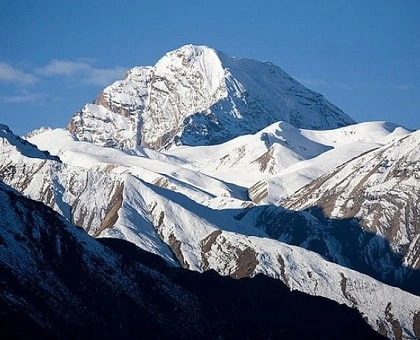
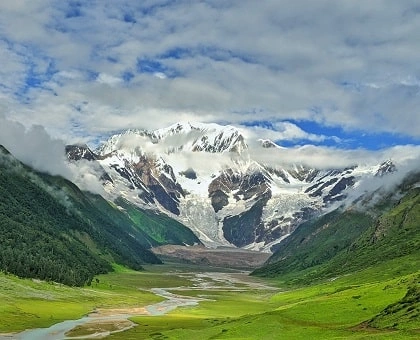
Hidden deep in the untouched wilderness of far-western Nepal, the Saipal South Base Camp Trek is a rare Himalayan journey designed for true adventure lovers. Far away from crowded trekking trails, this remote expedition takes you through traditional mountain villages, dense forests, alpine meadows, and breathtaking landscapes beneath the mighty Mt. Saipal (7,031m). The trek offers an unforgettable blend of raw nature, authentic culture, and peaceful solitude, making it one of Nepal’s most rewarding off-the-beaten-path trekking experiences.
The Saipal South Base Camp Trek is an extraordinary adventure into the remote Gurans Himal region of western Nepal. This hidden trekking route offers a perfect combination of untouched Himalayan beauty, rich local culture, and true wilderness exploration. The journey begins from Kathmandu with a scenic flight to Dhangadhi followed by a drive through the hills of far-west Nepal to Chainpur and Talkot. From here, the trekking trail gradually enters isolated valleys and traditional villages where ancient lifestyles still remain unchanged.
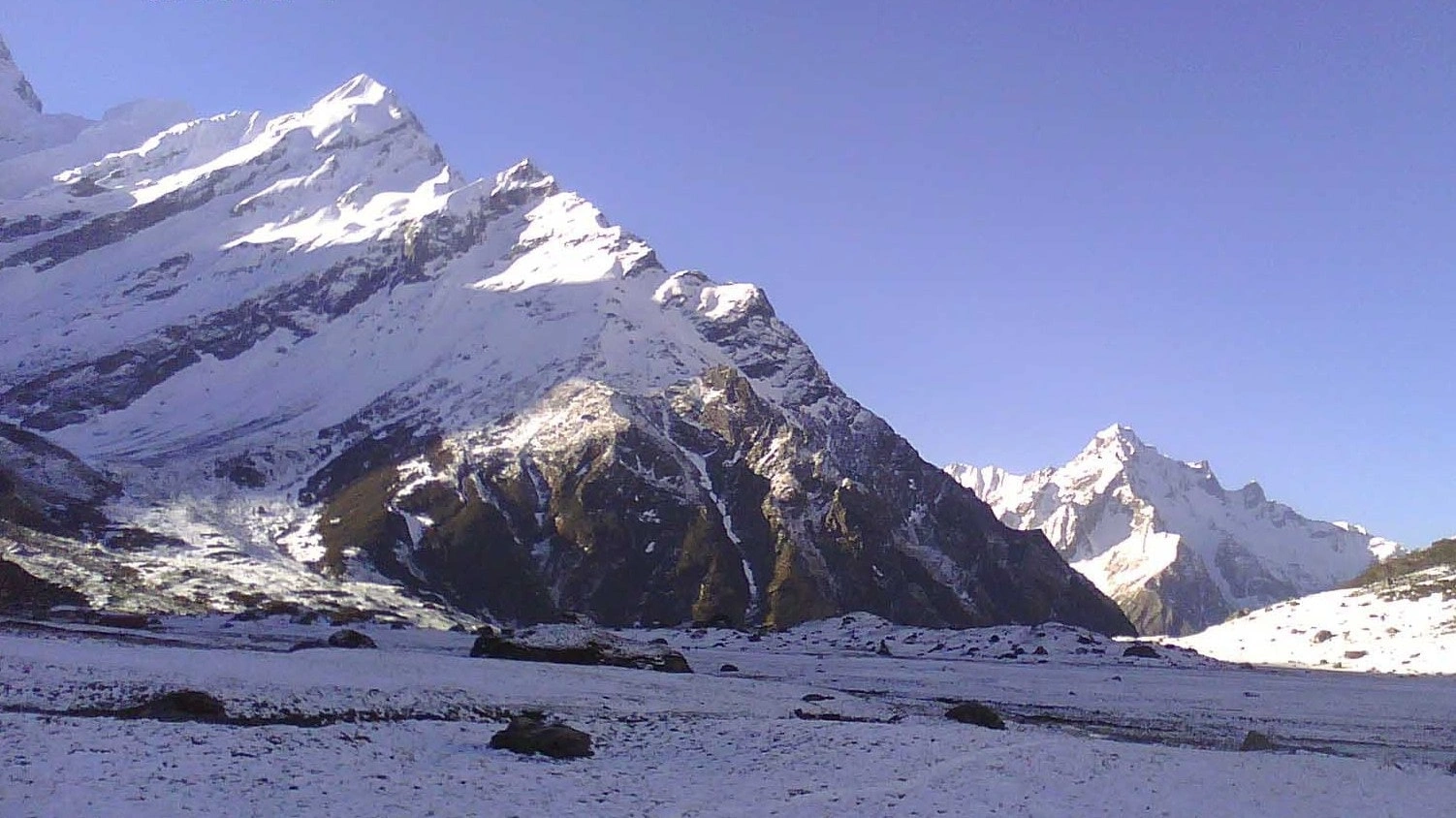
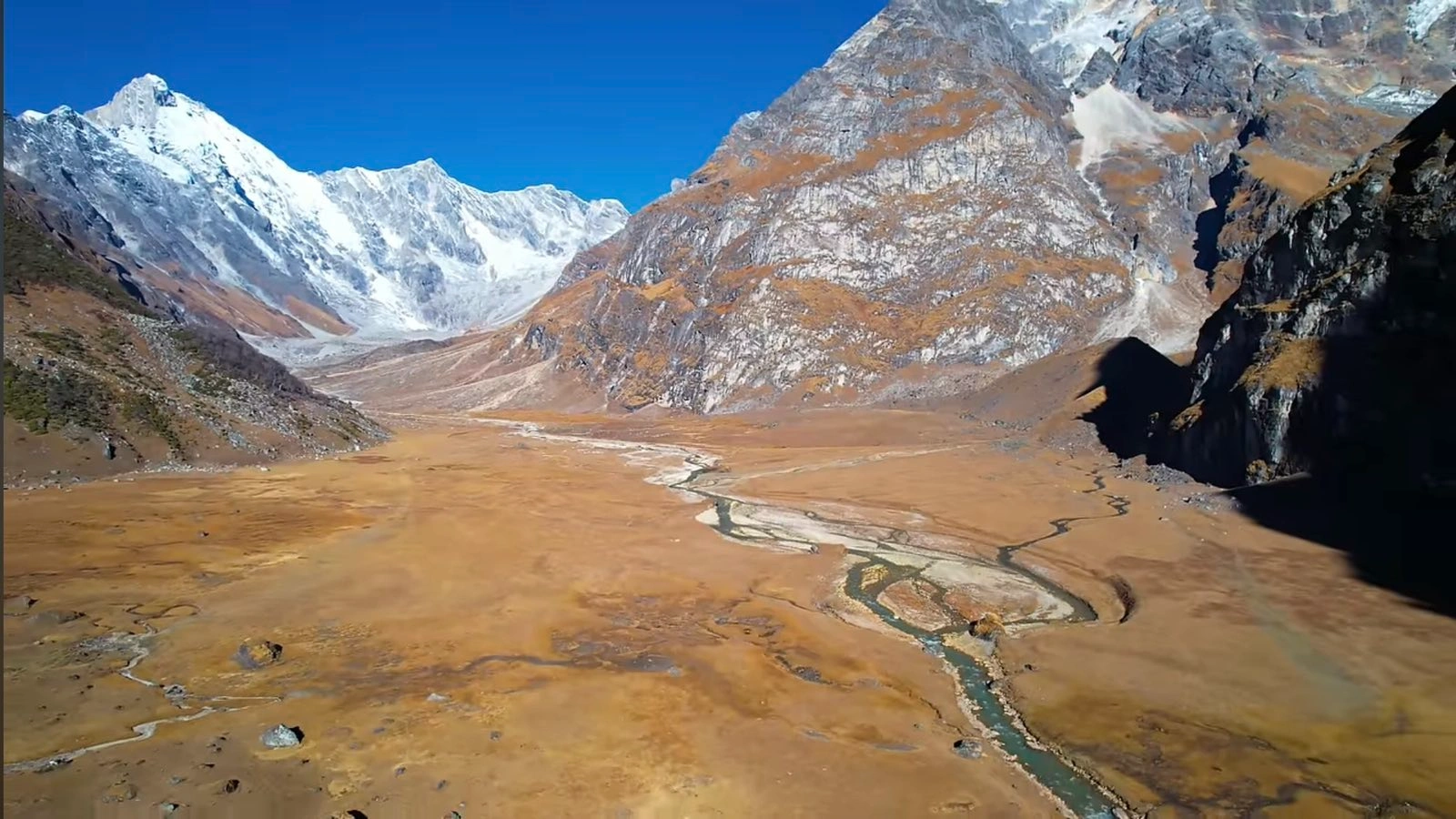
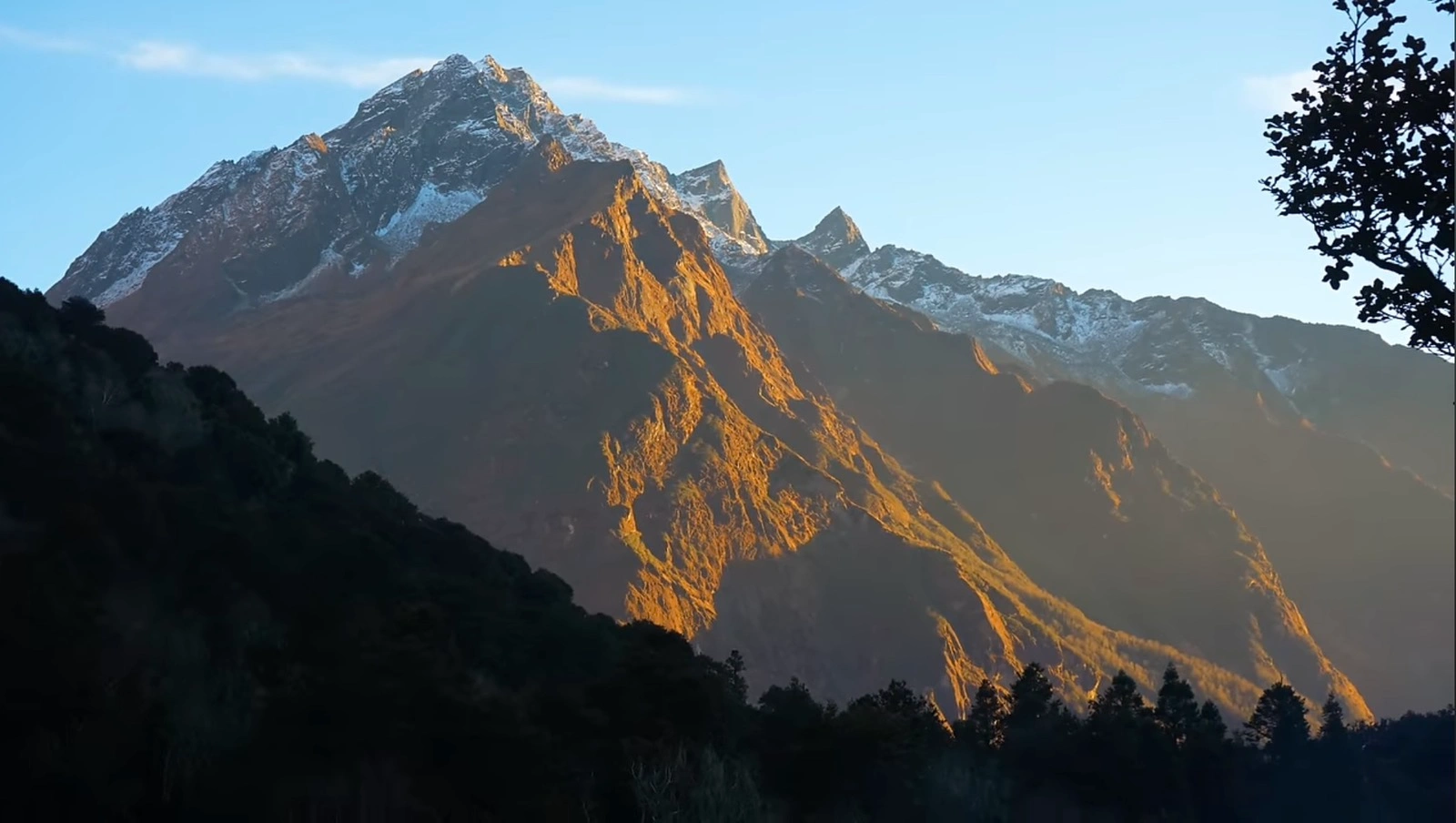
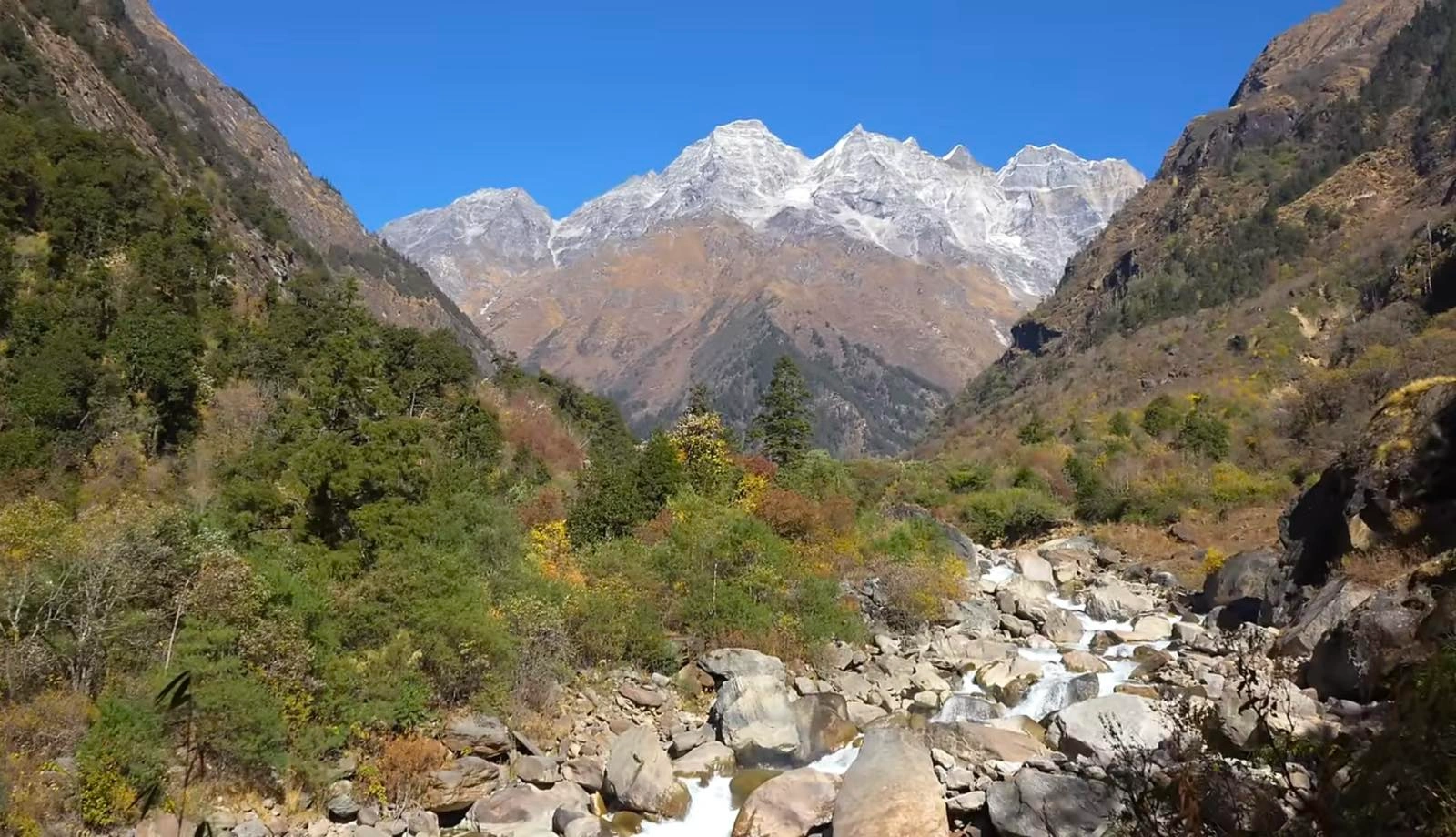
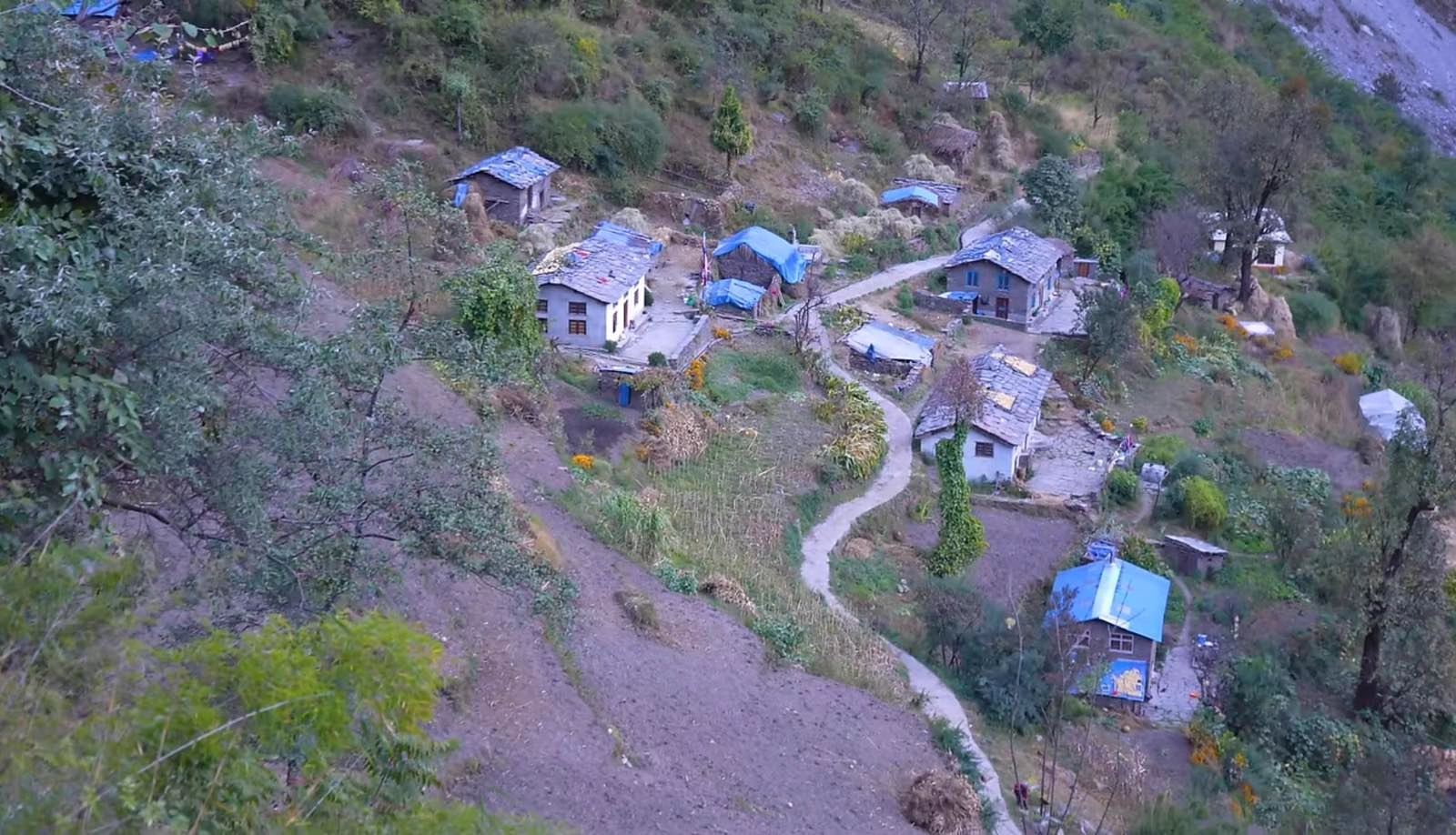
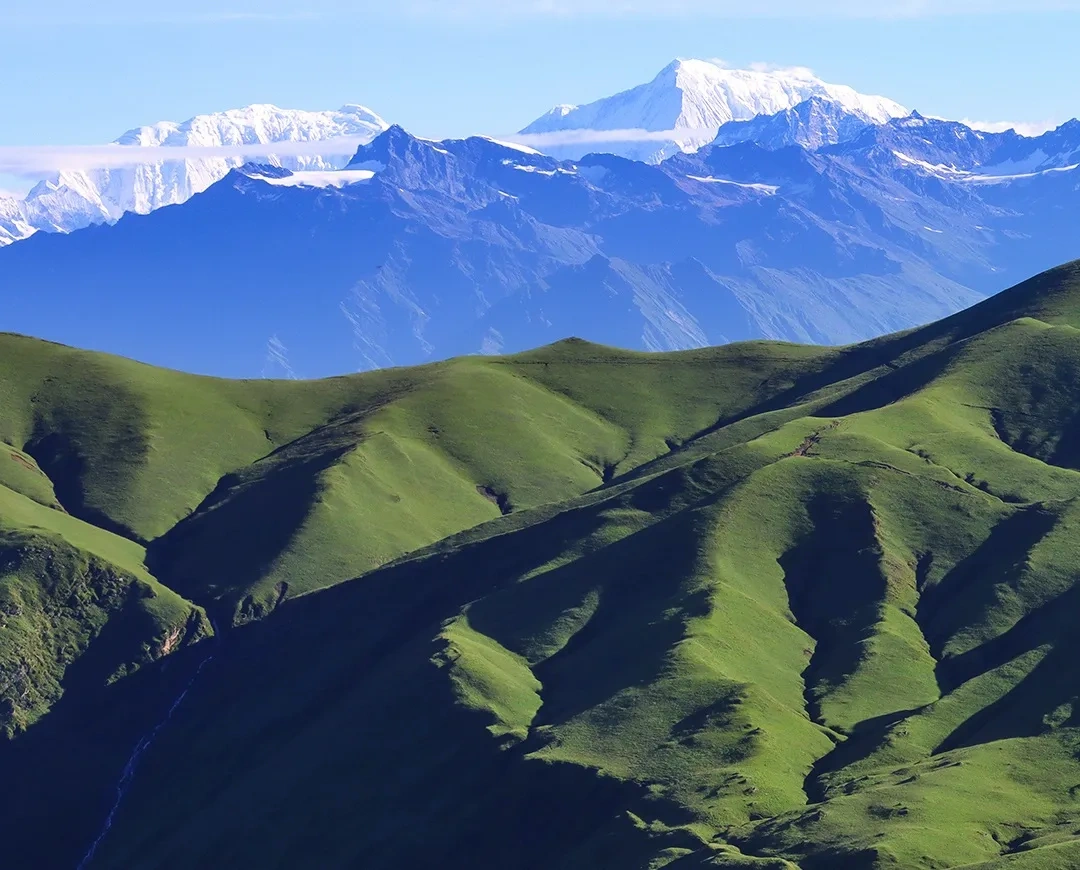
Trekkers pass through terraced farmlands, dense pine and rhododendron forests, suspension bridges, glacial rivers, and high alpine meadows. Along the route, you will encounter warm hospitality from local communities who preserve their traditional customs, songs, festivals, and farming practices. One of the most rewarding moments of the trek is reaching Saipal South Base Camp at 4,100m, where the dramatic south face of Mt. Saipal rises magnificently above the rugged Himalayan landscape. The region also offers incredible views of Jethi Bahurani, Gurans Himal peaks, waterfalls, glaciers, and untouched mountain wilderness rarely seen by tourists.
Unlike commercial trekking routes, the Saipal region remains peaceful and unspoiled, allowing trekkers to experience Nepal in its purest and most authentic form.
The Saipal South Base Camp Trek is ideal for trekkers seeking a genuine Himalayan adventure beyond the popular tourist trails. What makes this trek truly special is its remoteness, untouched landscapes, and deep cultural immersion.
Unlike crowded trekking regions, Saipal offers complete tranquility, pristine nature, and authentic local experiences. The route passes through hidden villages where visitors can witness traditional lifestyles, indigenous farming systems, and ancient cultural practices preserved for generations.
This trek is also perfect for adventure seekers who want a combination of wilderness camping, scenic mountain views, and challenging trekking terrain. The dramatic landscapes, rich biodiversity, and rare opportunity to explore western Nepal make this trek one of the country’s most unique trekking experiences.
|
Day |
Route |
Elevation |
Duration |
|
Day 01 |
Arrival in Kathmandu |
1,350m / 4,429ft |
30 min transfer |
|
Day 02 |
Fly to Dhangadhi & Drive to Dadeldhura |
1,848m / 6,063ft |
Flight + 4–5 hrs drive |
|
Day 03 |
Drive to Chainpur |
1,210m / 3,969ft |
5 hrs |
|
Day 04 |
Drive to Talkot & Trek to Kuwa |
1,600m / 5,249ft |
5 hrs trek |
|
Day 05 |
Trek to Dhalaun Village |
2,320m / 7,611ft |
5 hrs |
|
Day 06 |
Trek to Khahare via Rasyalek Pass |
3,300m / 10,827ft |
6 hrs |
|
Day 07 |
Trek to Dhodhale |
3,040m / 9,973ft |
5 hrs |
|
Day 08 |
Trek to Saipal South Base Camp |
4,100m / 13,448ft |
5 hrs |
|
Day 09 |
Trek to Kankarkot |
2,450m / 8,038ft |
8 hrs |
|
Day 10 |
Trek to Kuwa Village |
1,600m / 5,249ft |
7 hrs |
|
Day 11 |
Trek to Talkot & Drive to Chainpur |
1,210m / 3,969ft |
6 hrs |
|
Day 12 |
Drive to Dhangadhi |
109m / 357ft |
8 hrs |
|
Day 13 |
Fly back to Kathmandu |
1,350m / 4,429ft |
1 hr 15 min |
|
Day 14 |
Contingency Day in Kathmandu |
1,350m / 4,429ft |
Leisure day |
|
Day 15 |
Final Departure |
— |
Transfer |
Spring (April – June)
Spring is one of the best seasons for the Saipal trek. The weather remains stable with clear mountain views, blooming rhododendron forests, and comfortable trekking temperatures.
Autumn (September – November)
Autumn offers crystal-clear Himalayan panoramas, dry trekking conditions, and moderate temperatures. This season is ideal for photography and high-altitude trekking.
Winter (December – February)
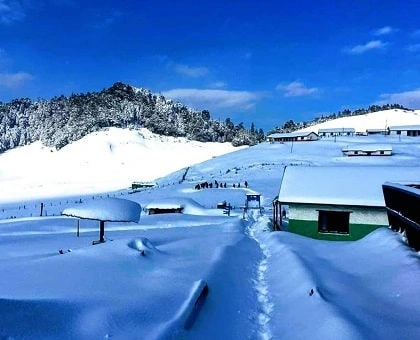
Winter brings snowfall and colder temperatures in higher regions. The trek becomes more challenging but offers peaceful trails and dramatic snowy landscapes.
Monsoon (July – August)
Heavy rainfall can make trails slippery and transportation difficult. However, the forests and valleys become lush and vibrant.
Accommodation during the trek includes a combination of teahouses, local lodges, and tented camping in remote areas. In Kathmandu, Dhangadhi, and Dadeldhura, trekkers stay in comfortable hotels.
Meals generally include Nepali, Tibetan, and basic international dishes such as:
Facilities in remote regions are basic. Electricity and mobile network may be limited at higher elevations. Internet access is available only in some lower villages and towns.
The Saipal region is culturally rich and deeply traditional. The trek passes through remote villages inhabited by diverse ethnic communities of far-west Nepal.
Trekkers can experience:
Villages like Dhalaun and Chainpur preserve centuries-old traditions, architecture, and spiritual practices rarely seen in modern trekking regions.
The journey begins with a domestic flight from Kathmandu to Dhangadhi, followed by private jeep transportation through Dadeldhura, Chainpur, and Talkot.
Transportation Summary:
The return follows the same route back to Kathmandu.
Experienced Local Guides
Professional trekking leaders with deep knowledge of the Saipal region.
Safety First Approach
Well-planned itineraries with emergency support and altitude safety measures.
Authentic Local Experience
We promote community-based tourism and genuine cultural interactions.
Personalized Service
Small group departures with flexible and friendly customer support.
Responsible Tourism
Committed to sustainable trekking and environmental conservation.
Ready to explore one of Nepal’s most remote and breathtaking trekking destinations? Join the Saipal South Base Camp Trek with Ghumnajaau and experience authentic Himalayan wilderness, culture, and adventure like never before.
✅ Small Group Departures
✅ Professional Trekking Crew
✅ Safe & Organized Adventure
✅ Best Price Guaranteed
Contact us today for itinerary customization, private departures, and booking inquiries.
Arrive at Tribhuvan International Airport, Kathmandu. Meet our representative and transfer to your hotel in the city. Evening free to rest or take a short stroll around Thamel.
Morning scenic flight to Dhangadhi (1 hr 15 min). Upon arrival, drive uphill to Dadeldhura Bazaar through winding mountain roads, passing lush forests and traditional villages. Dadeldhura offers panoramic hill views and a cool climate.
Early visit to Amargadhi Fort, a historic site linked to Nepal’s unification by General Amar Singh Thapa. Afterward, drive along the Seti River valley to Chainpur in Bajhang. Explore Chainpur’s heritage: Surma Devi Temple, Palace of Jay Prithvi Bahadur Singh, Nepal’s oldest high school, and Bhopur Durbar.
Take a local jeep to Talkot, where you’ll explore Talkot Palace. Begin trekking along the Seti River through farmland, forests, and small villages until reaching Kuwa Village, a charming rural settlement.
Trek through terraced fields, streams, and gentle ups and downs. After crossing a large stream, ascend to Dhalaun Village, the region’s largest agricultural hub. The village is renowned for vibrant cultural traditions such as Deuda songs, Bhari Khel, and Chutkila. Visit the Lama Temple to receive blessings before heading higher into Saipal territory.
A steady uphill leads to Rasyalek Pass, offering mountain views. Descend along the Ghatganga River, the Seti’s main tributary, to Kankarkot Village—the last permanent settlement on the route. Continue 3 hrs along the river to reach Khahare, a remote campsite.
Walk along forested trails and rugged terrain, occasionally joining locals harvesting Yarshagumba (caterpillar fungus). Stop at the impressive Chitdka Waterfall before reaching Dhodhale, surrounded by alpine meadows.
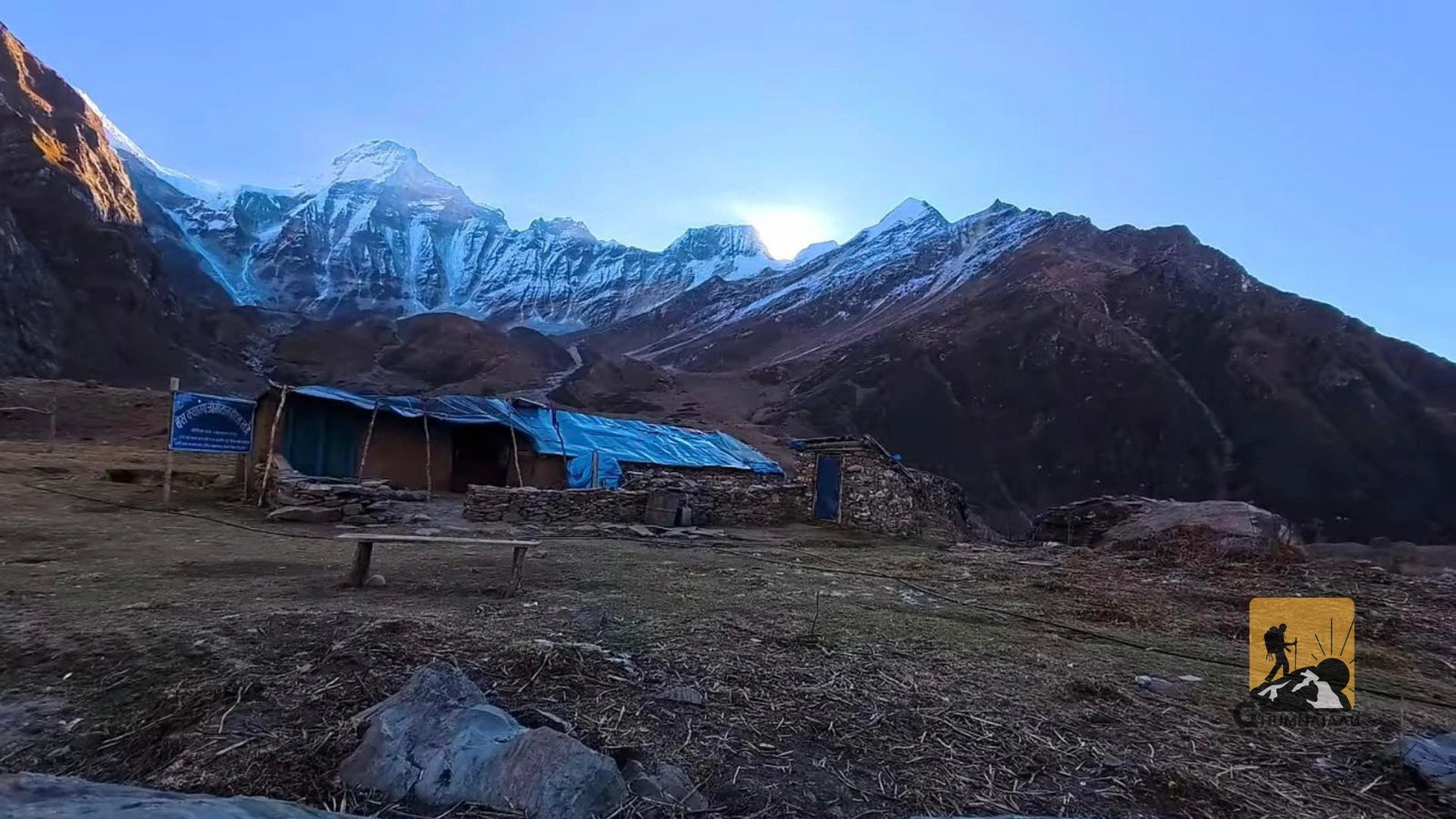
Today you reach the highlight of the trek—Saipal South Base Camp. The trail follows glacial streams until the confluence of rivers from Saipal’s southern and western faces. Continue to Aunlagad Base Camp, where the majestic South Face of Mt. Saipal dominates the skyline. If conditions allow, trek higher to High Camp (5,400m).
Wake early for sunrise over Mt. Saipal. Retrace your steps via forests, streams, and alpine valleys back to Kankarkot Village.
Cross the Ghatganga River, ascend over Rasyalek Pass, and descend back to Dhalaun Village. Continue downhill through settlements and farmland to reach Kuwa Village.
Final trekking day! Pass through villages such as Sunpani and Syada before arriving at Talkot. Board a jeep and drive along the Seti River to Chainpur Bazaar.
Long drive back through rolling green hills, terraced fields, and scattered villages until reaching Dhangadhi.
Accommodation: Hotel
Meals: Breakfast, Lunch & Dinner
Morning transfer to the airport for a scenic flight back to Kathmandu. Free afternoon for rest or last-minute shopping.
Spare day in case of delays during the trek. Otherwise, enjoy leisure time in Kathmandu, explore UNESCO World Heritage Sites, or relax before departure. Evening farewell Nepali dinner with cultural program.
After breakfast, transfer to Tribhuvan International Airport for your onward flight home. Bid farewell with lifelong memories of Saipal Himal’s wilderness and culture.
Trip Cost – What’s Included & Excluded
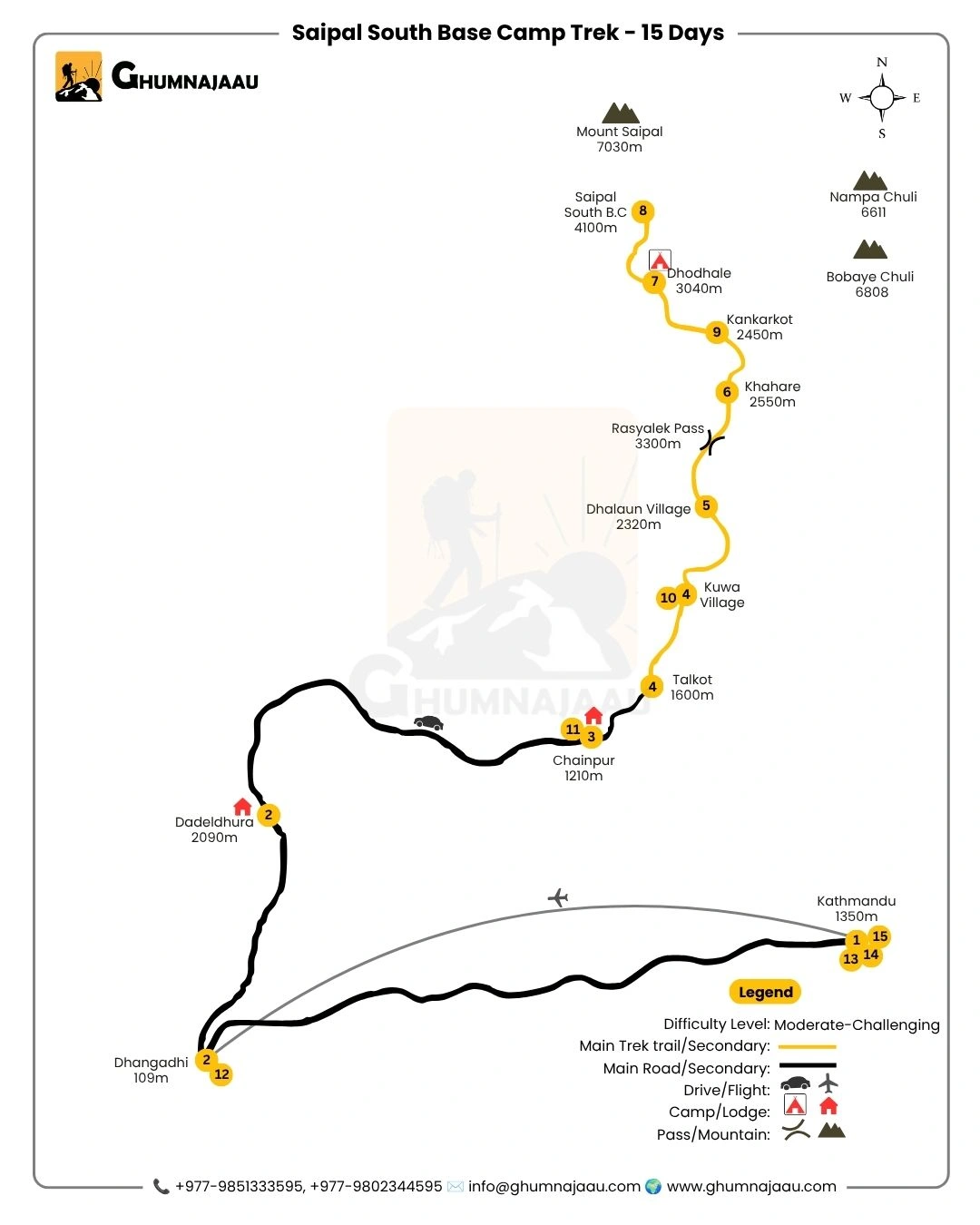
Saipal South Base Camp lies in the remote Gurans Himal region of far-western Nepal in Bajhang district.
The trek is moderate to challenging due to remote trails, long trekking days, and high altitude.
The highest point is Saipal South Base Camp at 4,100m (13,448ft).
Previous trekking experience is recommended but not mandatory for physically fit trekkers.
Accommodation includes hotels, teahouses, lodges, and tented camping during remote sections.
Trekkers need the Api Nampa Conservation Area Permit and other local trekking permits.
Yes, altitude sickness can occur above 3,000m. Proper acclimatization and hydration are essential.
Spring (April–June) and autumn (September–November) are the best trekking seasons.
Internet and mobile networks are limited and mostly available in lower villages only.
Yes, the itinerary can be customized according to group size, duration, and trekking preferences.