Makalu Barun region
Arun Valley Silicho Peak & Panch Pokhari Trek Nepal
Duration: 14 days
From $1568
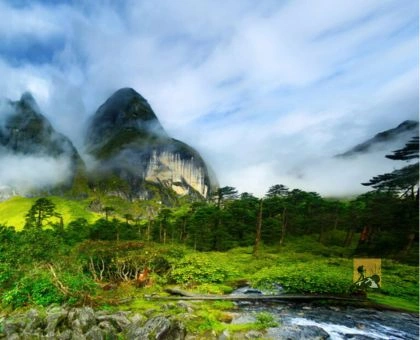
Hidden in the untouched wilderness of eastern Nepal, the Makalu Base Camp Trek is a remarkable Himalayan adventure that takes you far beyond the crowded trekking routes. This journey leads you through remote Sherpa villages, dense rhododendron forests, dramatic mountain passes, and the spectacular Makalu Barun National Park to the base camp of Mount Makalu (8,481m), the fifth-highest mountain in the world. Perfect for adventure seekers craving solitude, raw Himalayan beauty, and authentic cultural encounters, this trek delivers a truly life-changing experience surrounded by towering snow-capped giants and pristine alpine landscapes.
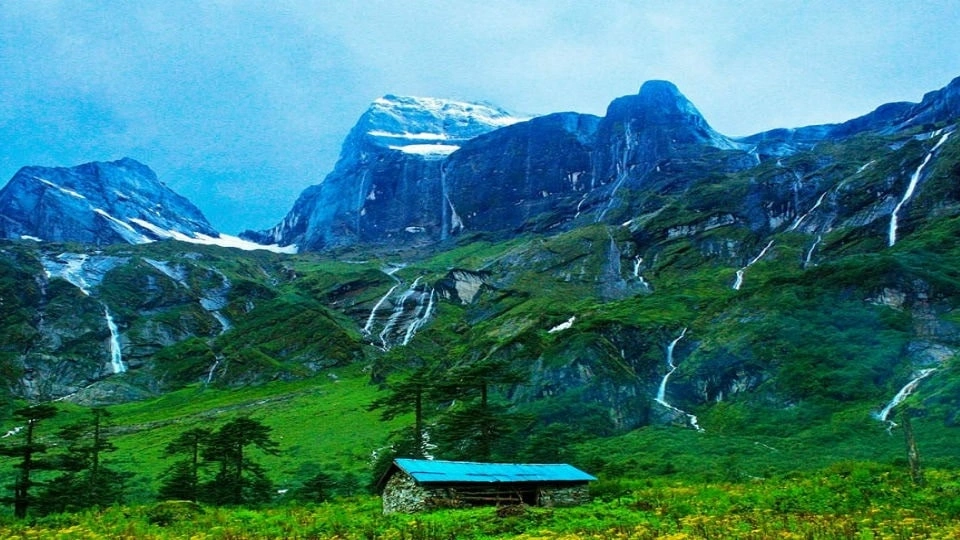
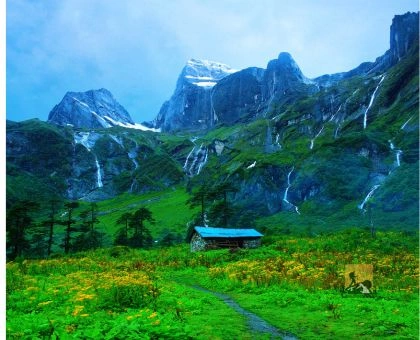
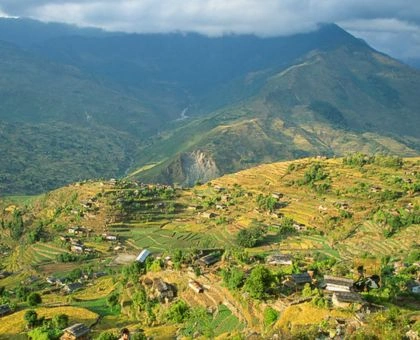
The Makalu Base Camp Trek is one of Nepal’s most adventurous and off-the-beaten-path trekking journeys. Located in the eastern Himalayas, this remote expedition combines dramatic landscapes, rich biodiversity, and authentic mountain culture into a once-in-a-lifetime trekking experience. The journey begins with a scenic flight from Kathmandu to Tumlingtar followed by a drive to Num, the gateway to the Makalu region. From here, the trail gradually ascends through lush forests, deep river valleys, terraced farmlands, and traditional mountain villages inhabited by Sherpa and Rai communities. As trekkers move deeper into the Barun Valley, the scenery dramatically changes from subtropical forests to alpine terrain and glacial landscapes. The trail passes through Makalu Barun National Park, home to rare wildlife including red pandas, Himalayan thar, snow leopards, musk deer, and colorful Himalayan birds.
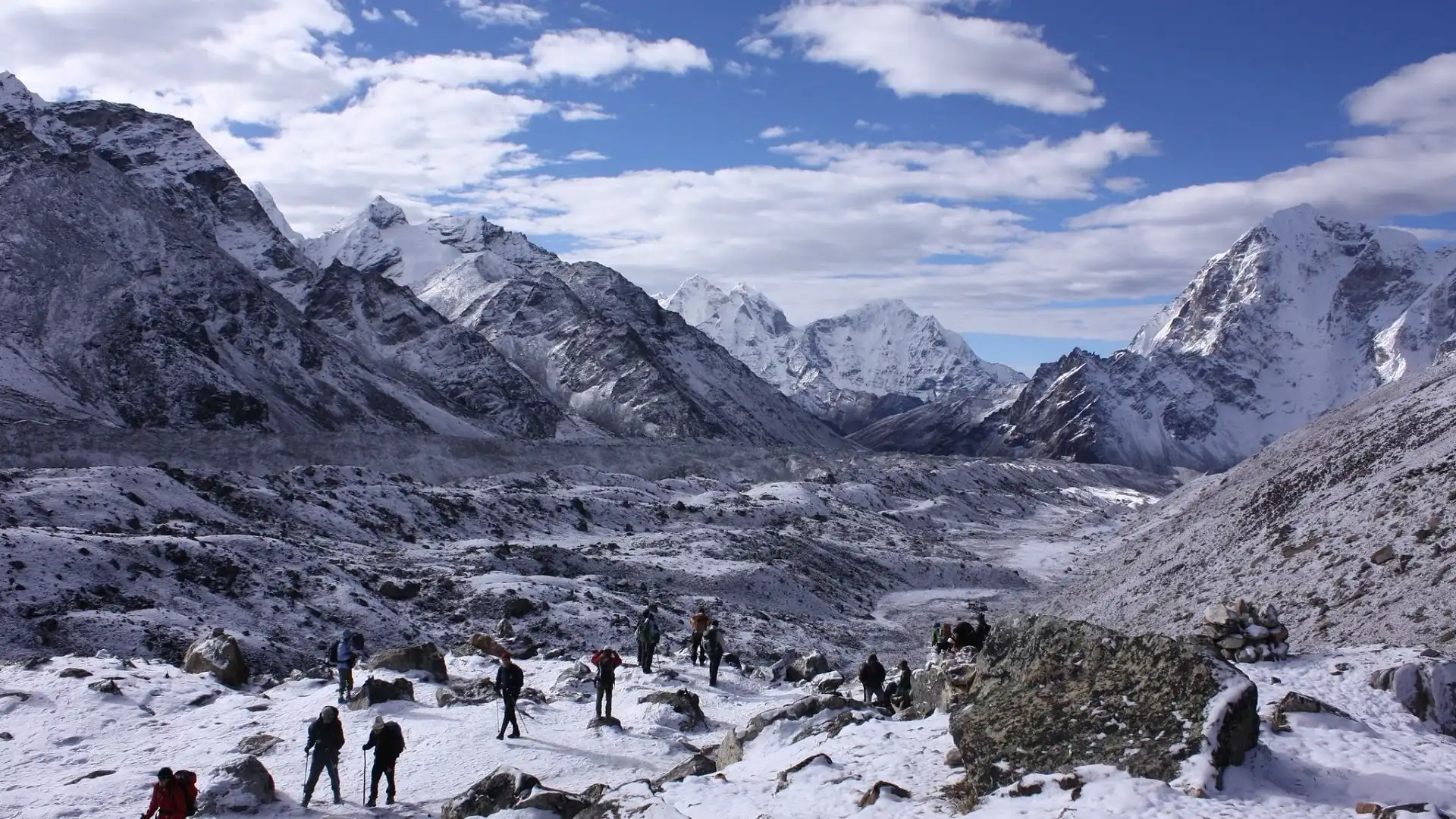
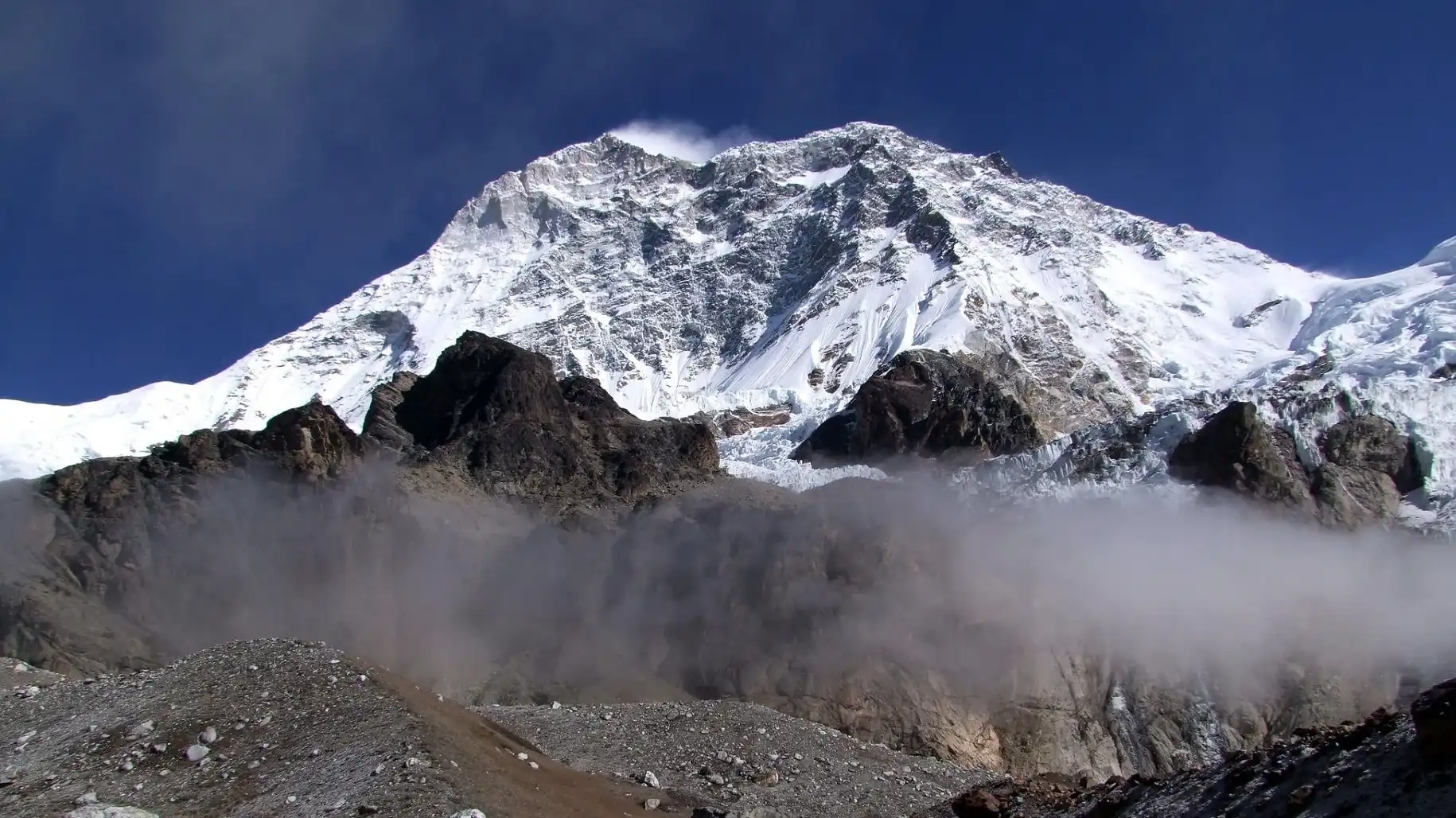
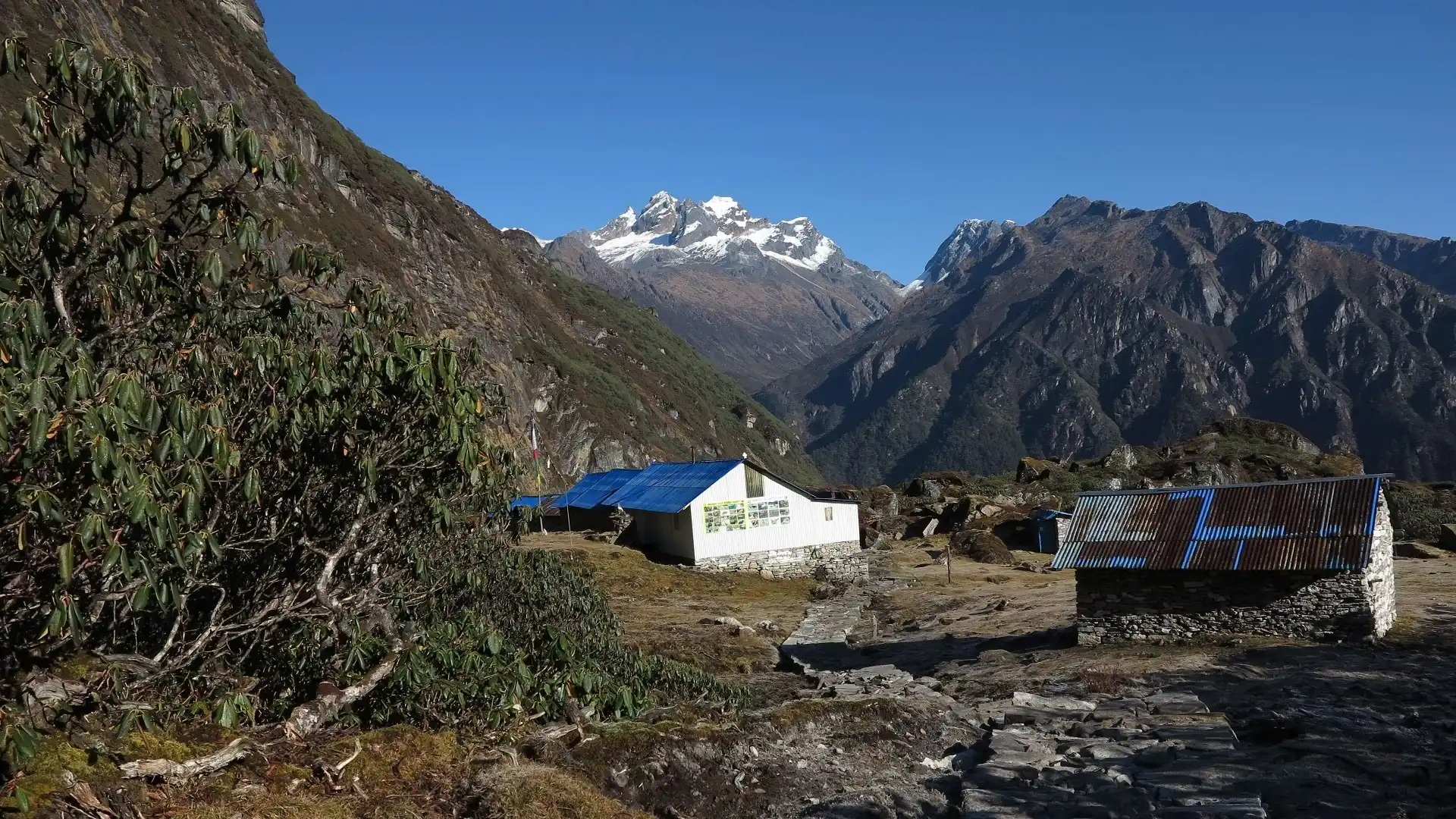
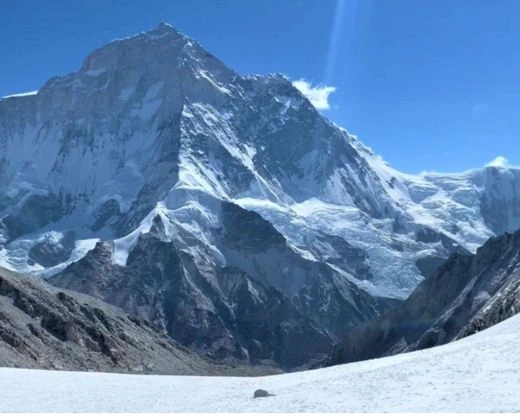
One of the trek’s most rewarding experiences is crossing the high mountain passes near Khongma Danda, where breathtaking views of Chamlang, Peak 6, Peak 7, and Makalu dominate the skyline. Reaching Makalu Base Camp (4,870m) offers unforgettable panoramas of Mt. Makalu, Everest, Lhotse, Baruntse, and surrounding Himalayan giants. Unlike more commercial trekking regions, Makalu remains peaceful and untouched, making it ideal for trekkers seeking solitude, adventure, and authentic Himalayan exploration.
The Makalu Base Camp Trek stands out as one of Nepal’s most remote and rewarding trekking adventures. Unlike Everest or Annapurna, this trail remains less crowded and offers a genuine wilderness experience.
Why this trek is special:
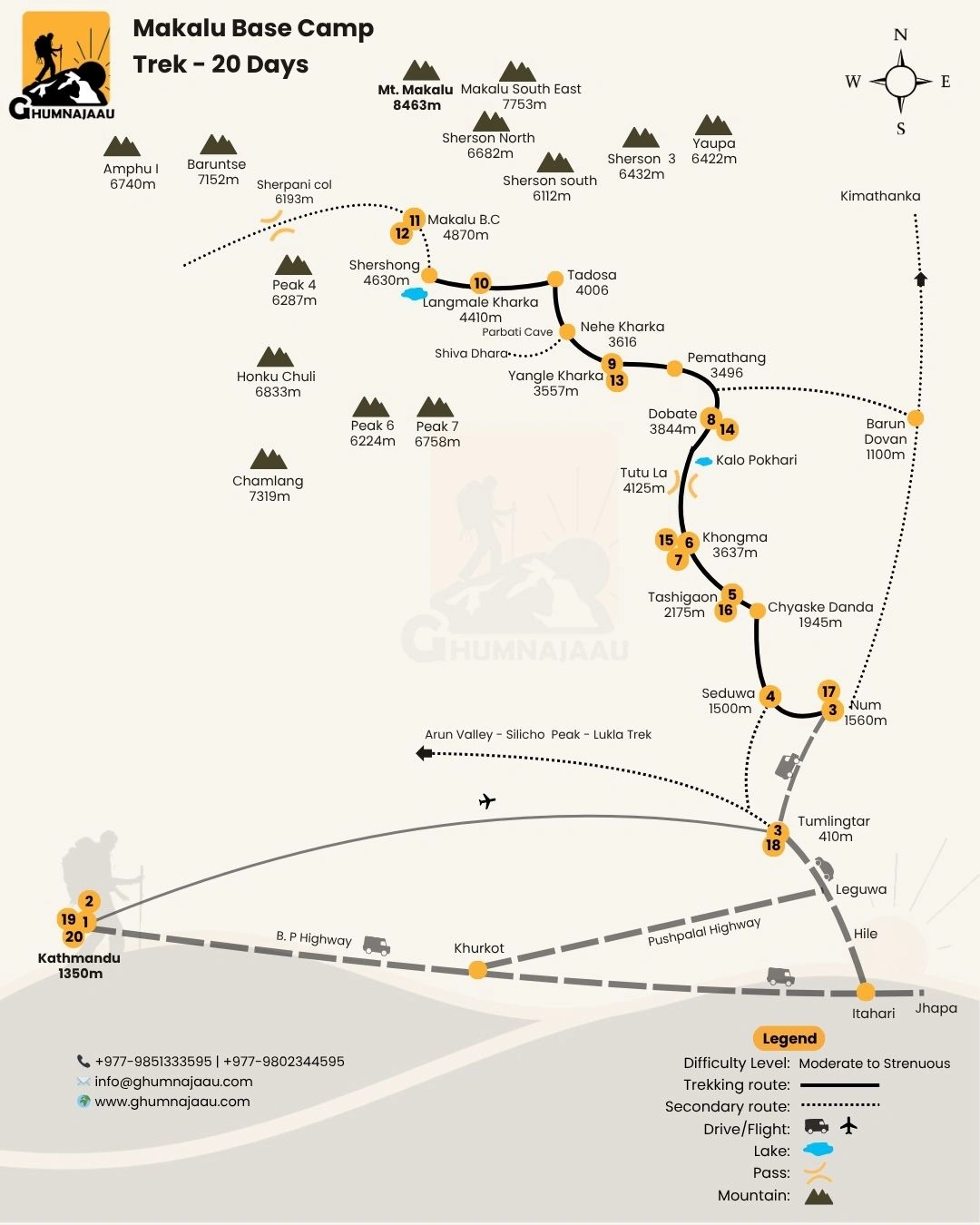
Day 1 Arrival in Kathmandu (1,350m)
Day 2 Trek preparation & sightseeing (1,350m) - 4 hrs.
Day 3 Fly to Tumlingtar (410m) & drive to Num (1,560m) - 5–6 hrs
Day 4 Trek to Seduwa (1,500m) - 4–5 hrs
Day 5 Trek to Tashigaon (2,175m) -4–5 hrs
Day 6 Trek to Khongma (3,637m) - 5–6 hrs
Day 7 Acclimatization Day (3,537m)
Day 8 Trek to Dobate (3,844m) - 6–7 hrs
Day 9 Trek to Yangle Kharka (3,557m) - 4–5 hrs
Day 10 Trek to Langmale Kharka (4,410m) - 3–4 hrs
Day 11 Trek to Makalu Base Camp (4,870m) - 4–5 hrs
Day 12 Explore Makalu Base Camp (4,870m)
Day 13 Trek back to Yangle Kharka (3,557m) - 7–8 hrs
Day 14 Trek to Dobate (3,844m) - 4–5 hrs
Day 15 Trek to Khongma Danda (3,637m)- 5–6 hrs
Day 16 Trek to Tashigaon (2,175m)- 3–4 hrs
Day 17 Trek to Num (1,560m) - 6–7 hrs
Day 18 Drive to Tumlingtar (410m) - 5–6 hrs
Day 19 Fly back to Kathmandu (1,350m) - 50 mins
Day 20 Final departure
Spring (March–May)
Spring is one of the best seasons for the Makalu Base Camp Trek. The weather remains stable with clear skies, comfortable temperatures, and blooming rhododendron forests. Mountain views are exceptionally beautiful during this time.
Autumn (September–November)
Autumn offers crystal-clear mountain views, dry trails, and excellent trekking conditions. The post-monsoon landscapes are lush and vibrant, making it the most popular trekking season.
Winter (December–February)
Winter trekking is possible but temperatures drop significantly at higher elevations. Trails can be snowy and cold, suitable for experienced trekkers.
Monsoon (June–August)
Heavy rainfall, slippery trails, and flight delays make monsoon less ideal for trekking in the Makalu region.
The Makalu Base Camp Trek is considered a moderate to strenuous trekking adventure. Trekkers should be physically fit and comfortable walking 5–7 hours daily over rugged mountain terrain.
Challenges include:
Previous trekking experience is highly recommended. Proper acclimatization days are included to minimize altitude-related risks.
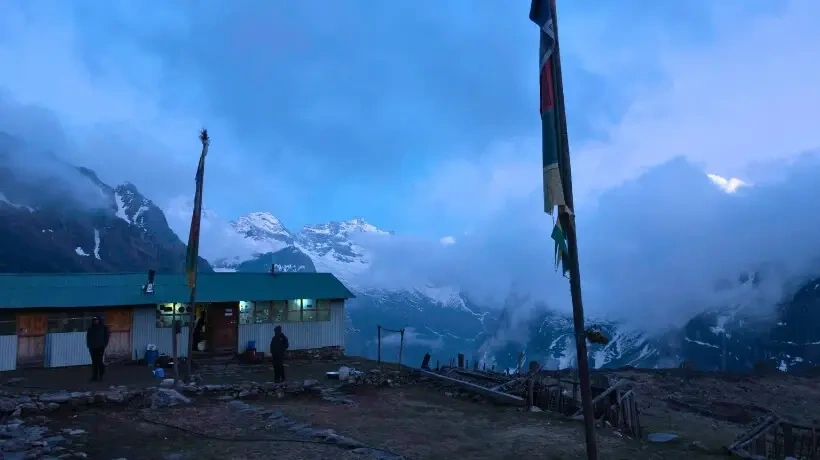
In Kathmandu, trekkers stay in comfortable 3-star hotels with modern facilities. During the trek, accommodation is provided in local teahouses and mountain lodges.
Facilities include:
Meals
The package includes full-board meals during the trek:
Popular meals include Dal Bhat, noodles, soups, rice dishes, Tibetan bread, potatoes, tea, and seasonal vegetables.
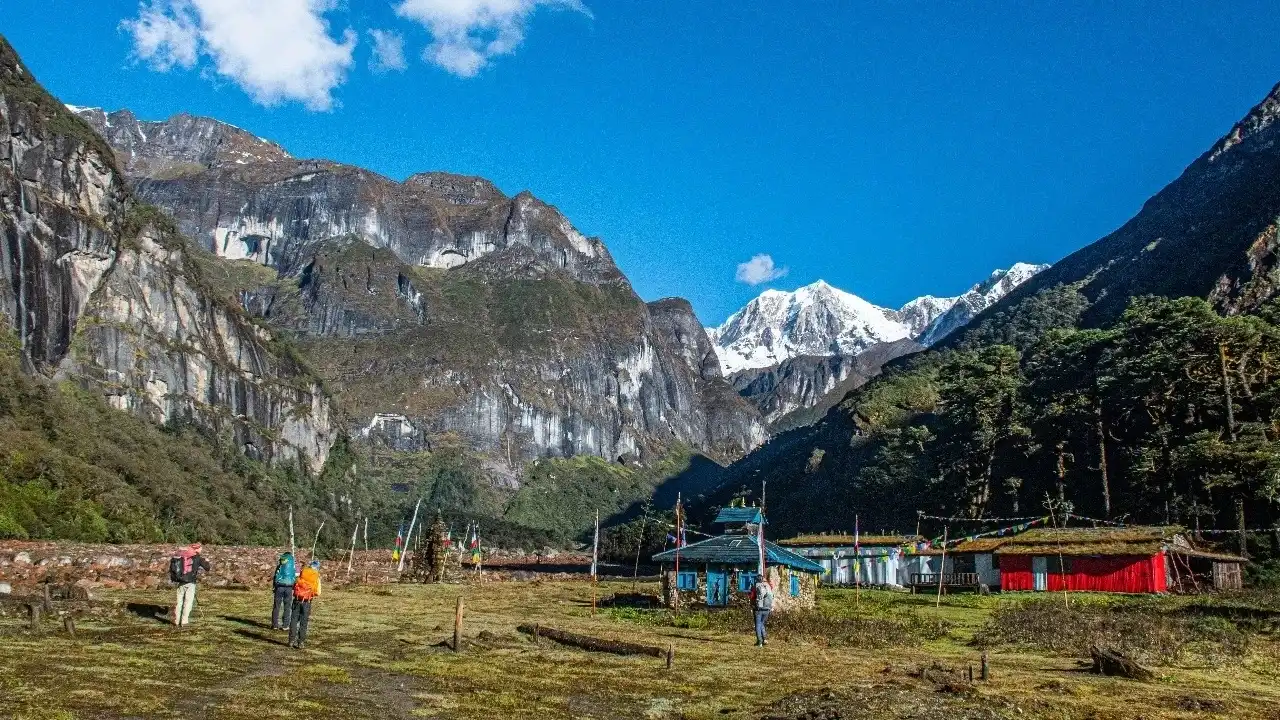
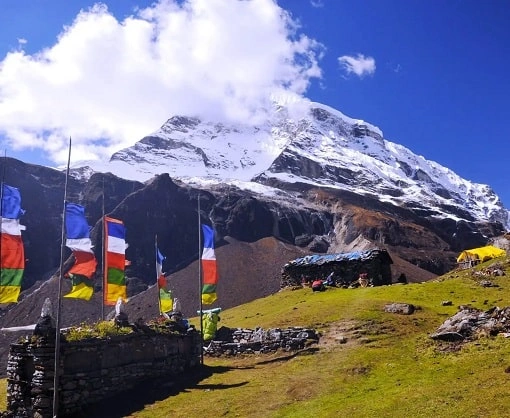
The Makalu region offers a rich cultural journey through traditional Sherpa and Rai villages. Trekkers experience authentic Himalayan hospitality, ancient Buddhist traditions, prayer flags, monasteries, mani walls, and local farming lifestyles.
The people living in this remote region maintain deep spiritual connections with nature and mountains. Visiting local villages allows travelers to witness traditional architecture, yak farming, local festivals, and centuries-old mountain traditions untouched by modernization.
The trek starts with a domestic flight from Kathmandu to Tumlingtar, followed by a scenic drive to Num.
Transportation Summary:
Private vehicles are arranged for airport transfers and overland transportation.
Experienced Local Experts
Professional English-speaking trekking guides with deep regional knowledge.
Safety First
Well-planned itineraries with acclimatization, first aid kits, and emergency support.
Personalized Service
Flexible and customized trekking experiences based on traveler preferences.
Responsible Tourism
Supporting local communities and eco-friendly trekking practices.
Complete Logistics Support
Reliable transportation, permits, accommodation, and trekking arrangements handled professionally.
Ready to explore one of Nepal’s most remote and breathtaking Himalayan regions? The Makalu Base Camp Trek offers unmatched mountain scenery, authentic cultural encounters, and unforgettable wilderness adventure.
👉 Contact Ghumnajaau today for customized itineraries, group bookings, and exclusive trekking offers.
Your extraordinary Himalayan journey begins here!
Upon arrival at Tribhuvan International Airport, our representative will welcome you and transfer you to your hotel. You can relax, settle in, and recover from your journey. Evening is free to explore local surroundings.
Today is dedicated to trek preparation. We will complete all necessary permits and provide a detailed trek briefing, including safety, acclimatization, and equipment checks. In the afternoon, enjoy sightseeing in Kathmandu, visiting Durbar Square with its historical architecture, Kumari Ghar (Living Goddess), Swayambhunath Stupa, and local markets.
Meals: Breakfast at hotel, Lunch & Dinner not specified
Accommodation: 3★ hotel in Kathmandu
We take an early morning flight to Tumlingtar, enjoying breathtaking aerial views of the hills, rivers, and Himalayan foothills. From Tumlingtar, we drive through verdant landscapes to Num, catching our first glimpses of distant Himalayan peaks. The village offers a serene introduction to rural Nepal.
Crossing a wooden bridge over the Barun River, we enter the Makalu Barun Conservation Area. Trekking through lush forests of juniper and rhododendron, we pass small settlements before reaching Seduwa. This section combines gentle walking with scenic beauty.
We follow the Isuwa and Kusuwa Khola rivers, crossing wooden bridges and trekking through small villages and forests. Tashigaon, a Sherpa settlement, offers magnificent views of surrounding Himalayan peaks and provides insight into the local way of life.
Today’s trek is more challenging, climbing steep trails, stone steps, and passing alpine fields dotted with yaks and Himalayan cattle. Entering Makalu Barun National Park, we are surrounded by pristine nature and towering peaks. The journey to Khongma Danda rewards us with spectacular vistas.
Meals: Breakfast, Lunch, Dinner at lodge
To adapt to higher altitudes, we take a rest day. Optional short hikes to nearby ridges or visits to Buddhist monasteries provide cultural insight and gentle exercise to support acclimatization.
This is a demanding day, crossing four passes: Kauma La (3,603 m), Keke La (4,127 m), Shipton La (4,170 m) near Kalo Pokhari Lake, and Tutu La (4,080 m). The trek offers breathtaking views of Chamlang (7,319 m), Peak 6 (6,524 m), and Peak 7 (6,758 m) before reaching Dobate.
Trekking through dense rhododendron forests, we cross the Barun River and ascend toward Yangri Kharka. Yaks grazing in the fields are a common sight, and the serene alpine environment makes this a peaceful day of trekking.
We traverse lush Himalayan forests, cross wooden bridges, and walk along moraines and small villages before reaching Langmale Kharka. The Himalayan panorama becomes increasingly dramatic with altitude gain.
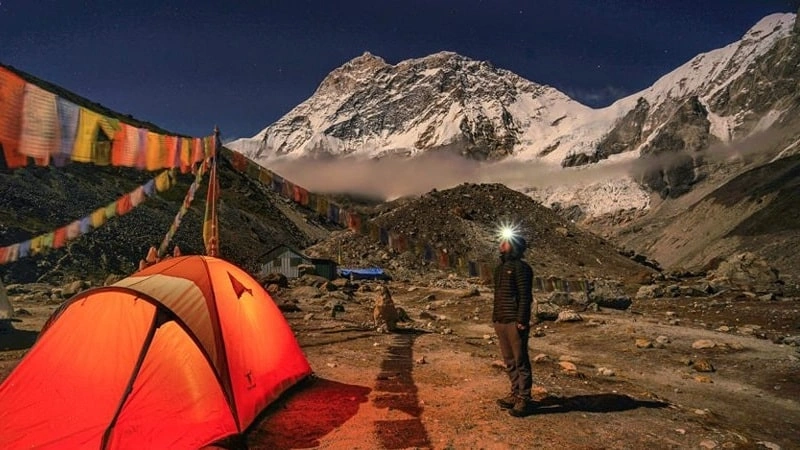
The trail climbs steeply alongside the Barun Nadi, crossing glaciers and ridges en route to Shershong. The south face of Makalu gradually comes into view, culminating in the awe-inspiring Makalu Base Camp, where the surrounding peaks dominate the skyline.
A day to explore the base camp surroundings, witnessing panoramic views of Makalu (8,481 m), Everest (8,848 m), Lhotse (8,516 m), and other eastern Himalayan giants. Optional short hikes to Barun Glacier or Barun Pokhari enrich the experience.
Descending along rocky trails and sparse forests, we pass Shershong, Langmale Kharka, and Merek before reaching Yangri Kharka. This is a long day but manageable with careful pacing.
Descending further, we follow the Barun River through alpine forests and rocky ridges, enjoying encounters with yaks, snow pigeons, and blue sheep. The scenery is serene, and the descent is less strenuous than the ascent.
We retrace our route through rhododendron, juniper, and fir forests, crossing the Tutu La, Shipton La, Keke La, and Kauma La passes, reaching Khongma Danda by evening.
Descending through forests, passing lakes and alpine landscapes, we exit Makalu Barun National Park and reach the Sherpa village of Tashigaon. The day is moderate in difficulty and scenic.
Trekking along small streams and dense bamboo and rhododendron forests, we cross the Arun River and small settlements. The trail gently descends through picturesque villages to reach Num, a Sherpa settlement.
Today we drive back to Tumlingtar, enjoying the last views of Makalu and the Himalayan panorama. The road journey provides a relaxing conclusion to the trekking adventure.
We take a morning flight back to Kathmandu, enjoying aerial views of the mountains and valleys. Leisure time in the city allows for shopping or sightseeing.
Transfer to Tribhuvan International Airport for your flight home, concluding the trek with unforgettable memories of Makalu and eastern Nepal.
The trek is considered moderate to strenuous due to high altitude, remote trails, and long walking days.
The highest point is Makalu Base Camp at 4,870m (15,978ft).
Previous high-altitude trekking experience is highly recommended.
You need the Makalu Barun National Park Permit and the Restricted Area Permit.
Altitude sickness can occur above 3,500m, but proper acclimatization reduces the risk.
Trekkers stay in teahouses and lodges during the trek and 3-star hotels in Kathmandu.
Yes, due to the remote nature of the trek, hiring licensed guides and porters is strongly advised.
Spring (March–May) and Autumn (September–November) are the best trekking seasons.
Limited Wi-Fi and mobile network coverage are available in some villages.
The complete trek typically takes 20 days including arrival and departure days.