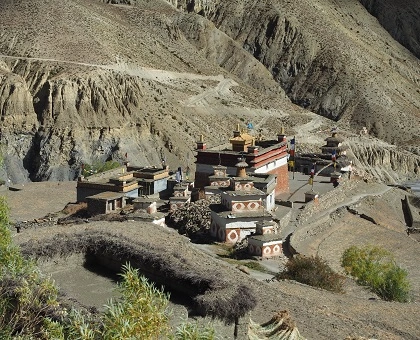
The Lower Dolpa Circuit Trek is a journey into one of Nepal’s most untouched Himalayan wilderness regions, where ancient Tibetan culture, dramatic mountain passes, and sacred landscapes still remain deeply preserved. From turquoise glacial lakes to hidden valleys and centuries-old monasteries, this trek is not just an adventure—it is a rare spiritual escape into a forgotten world of the Himalayas.
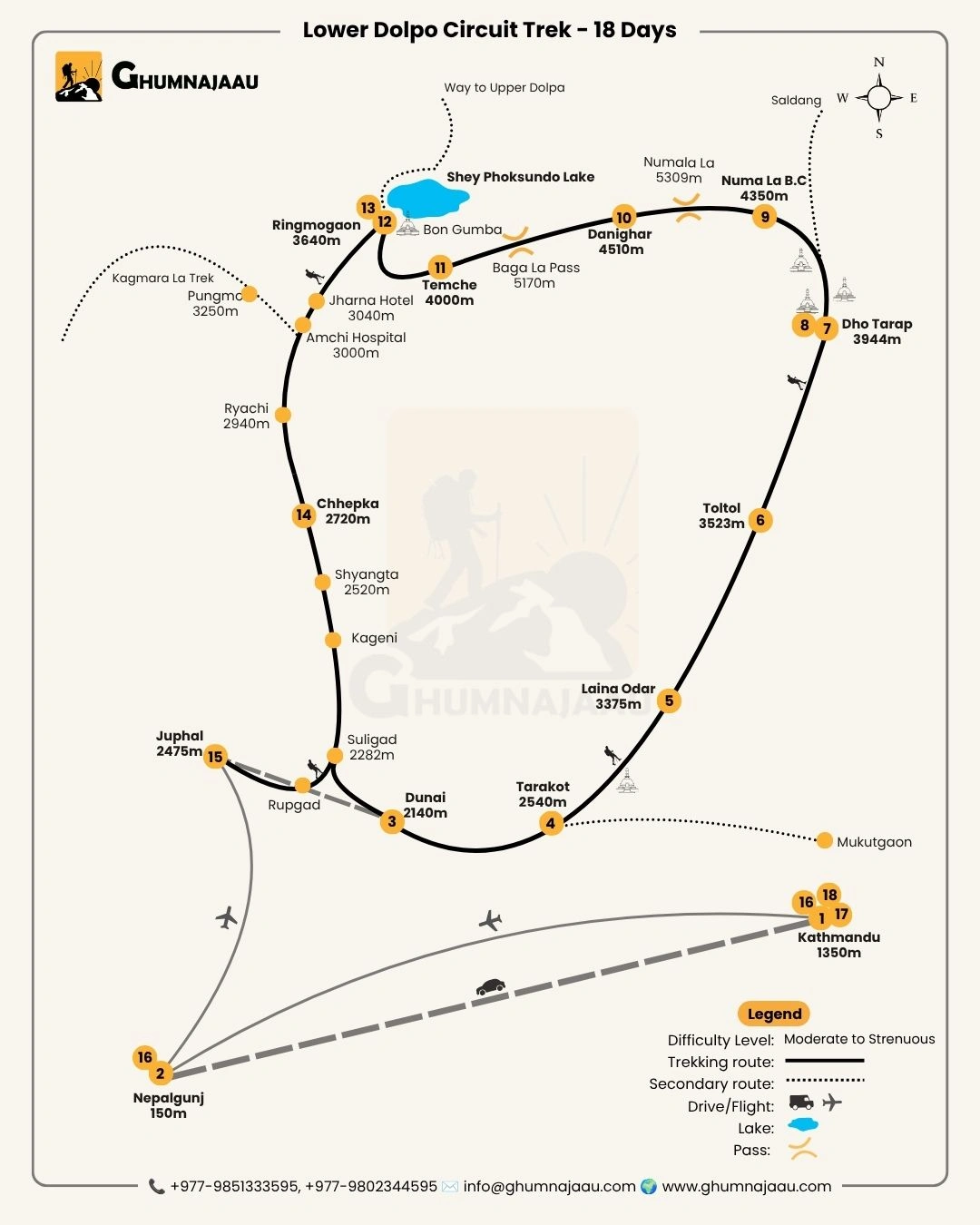
The Lower Dolpa Circuit Trek is one of Nepal’s most remote and culturally preserved trekking adventures, located in the Karnali Province. This 18-day journey takes you deep into the wild landscapes of Dolpa, where Tibetan Buddhism and the ancient Bon religion continue to thrive in isolation.
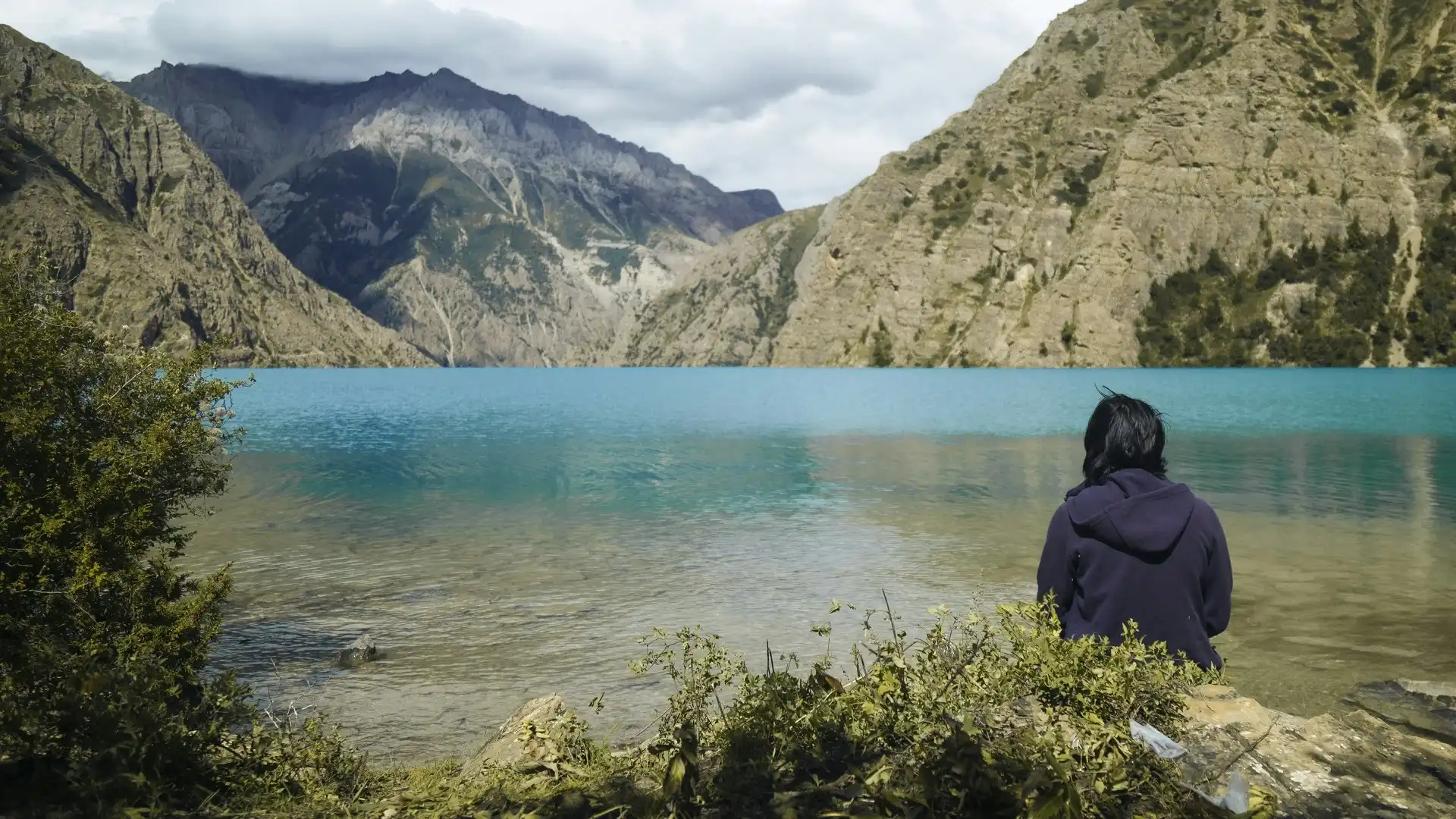
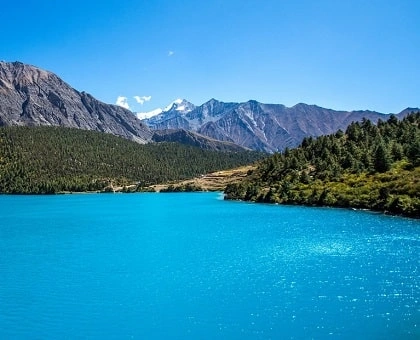
The trail passes through rugged valleys, dramatic gorges, alpine meadows, and high Himalayan passes above 5,000 meters. You will explore the historic fortress settlement of Tarakot, the sacred Tarap Valley, and the breathtaking turquoise waters of Shey-Phoksundo Lake, Nepal’s deepest and most stunning alpine lake.
This region is also home to rare Himalayan wildlife and offers unmatched solitude, making it one of the most rewarding wilderness treks in Nepal.
Day 01: Arrival in Kathmandu (1,400m)
Day 02: Kathmandu – Nepalgunj flight (150m)
Day 03: Fly to Juphal (2,475m) → Trek to Dunai (2,140m) | 3–4 hrs
Day 04: Dunai → Tarakot (2,540m) | 5–6 hrs
Day 05: Tarakot → Laina Odar (3,375m) | 4–5 hrs
Day 06: Laina Odar → Toltol (3,523m) | 6–7 hrs
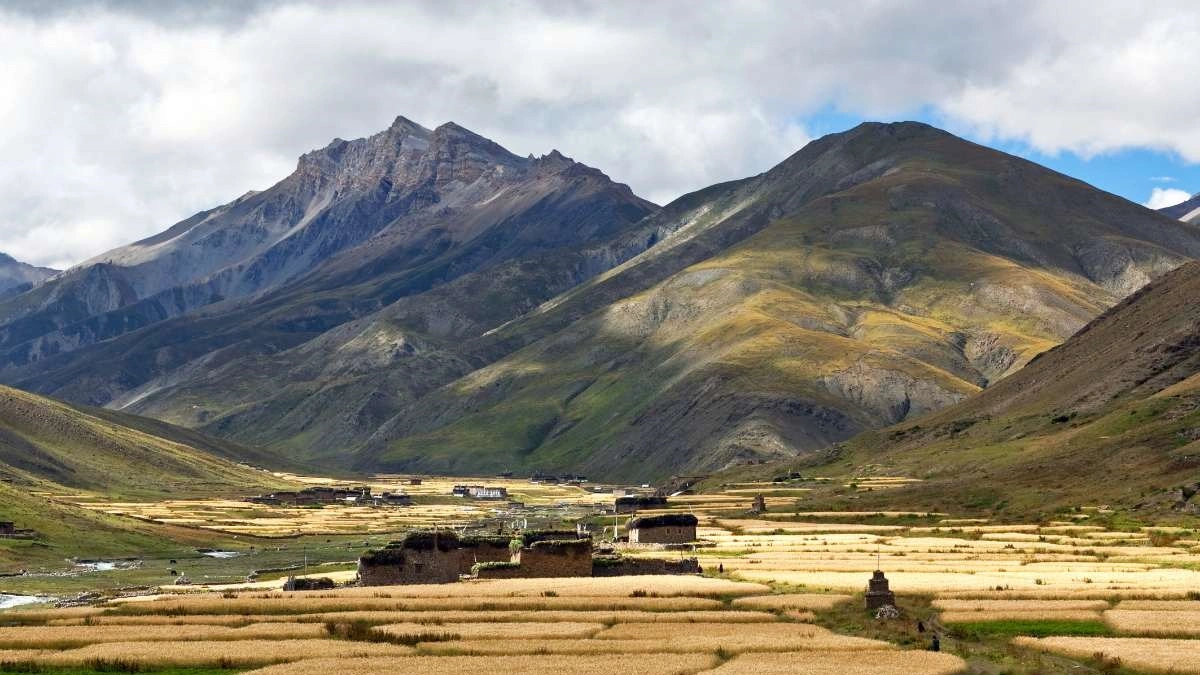
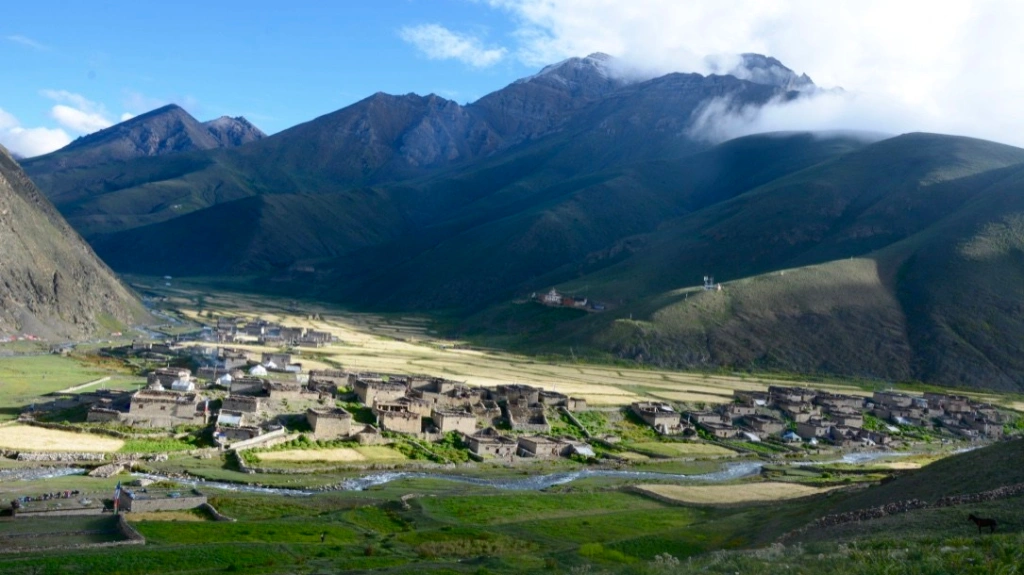
Day 07: Toltol → Dho Tarap (3,950m) | 6–7 hrs
Day 08: Acclimatization in Dho Tarap
Day 09: Dho Tarap → Numa La Base Camp (4,350m) | 4–5 hrs
Day 10: Cross Numa La Pass (5,310m) → Danighar (4,510m) | 6–7 hrs
Day 11: Cross Baga La Pass (5,170m) → Temche (4,000m) | 5–6 hrs
Day 12: Temche → Shey Phoksundo Lake (3,600m) | 4–5 hrs
Day 13: Exploration day at Phoksundo Lake
Day 14: Phoksundo Lake → Chhepka (2,678m) | 5–6 hrs
Day 15: Chhepka → Juphal (2,475m) | 5–6 hrs
Day 16: Fly back to Kathmandu via Nepalgunj
Day 17: Buffer/Rest day in Kathmandu
Day 18: Final departure
Winter brings heavy snow at high passes, and monsoon season may cause flight delays and slippery trails.
This trek is moderate to strenuous, requiring strong physical fitness and prior trekking experience.
The Lower Dolpa region is home to the Dolpo-pa people, deeply influenced by Tibetan Buddhism and ancient Bon traditions. Travelers experience:
This combination of scenic flights offers breathtaking views of the Himalayas and deep valleys.
Book your Lower Dolpa Circuit Trek (18 Days) with Ghumnajaau today and experience the untouched Himalayas like never before.
📩 Contact us now for availability, detailed itinerary, and booking assistance.
Upon arrival at Tribhuvan International Airport, our representative will transfer you to your hotel. In the evening, we’ll have a trek briefing and final preparations.
After completing necessary permit formalities, we take a scenic flight to Nepalgunj, a bustling trade hub in western Nepal near the Indian border. In the evening, you may stroll through its lively markets.
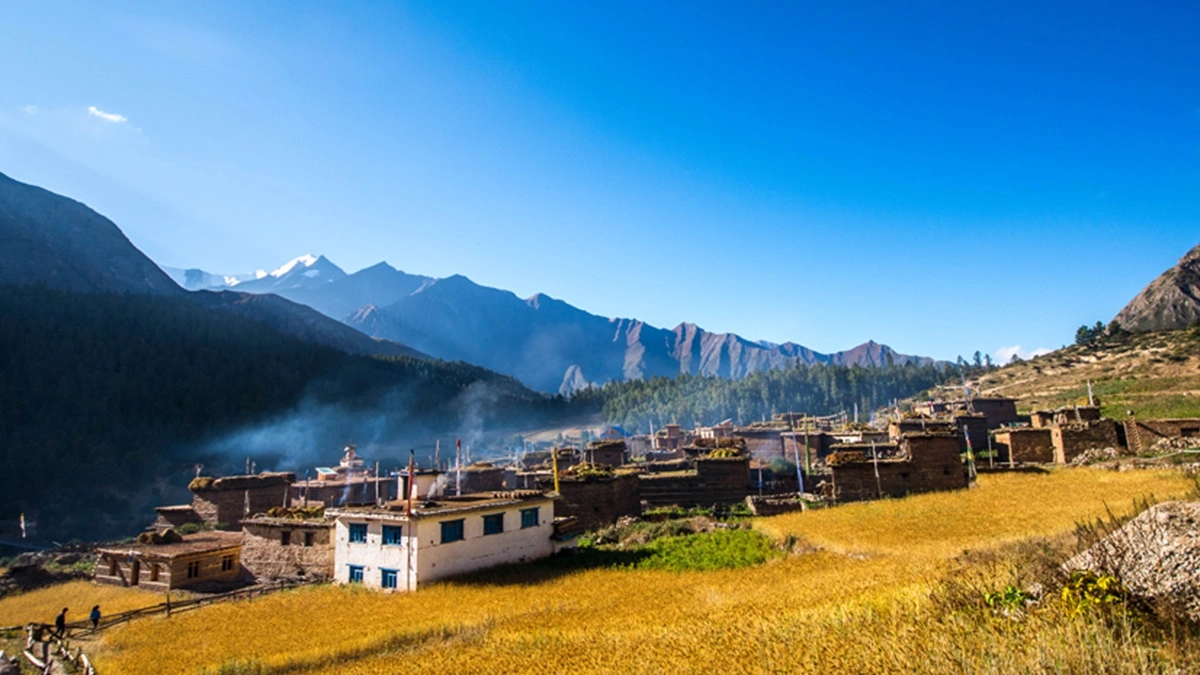
A short 35-minute flight brings us to Juphal, where our trek begins. We descend past villages, terraced fields, and follow the Bheri River. Passing Roop Ghar with its water mill, we finally arrive at Dunai.
The trail follows the Bheri River upstream with beautiful gorges, suspension bridges, and small villages. We then climb towards Tarakot, an ancient fortress town perched above the river.
We follow the Bheri River’s southern bank, entering an open valley before joining the Tarap Khola. Passing Khanigaon with views of Sandul Gompa and glimpses of Putha Hiunchuli (7,246m) and Churen Himal, we ascend to Laina Odar.
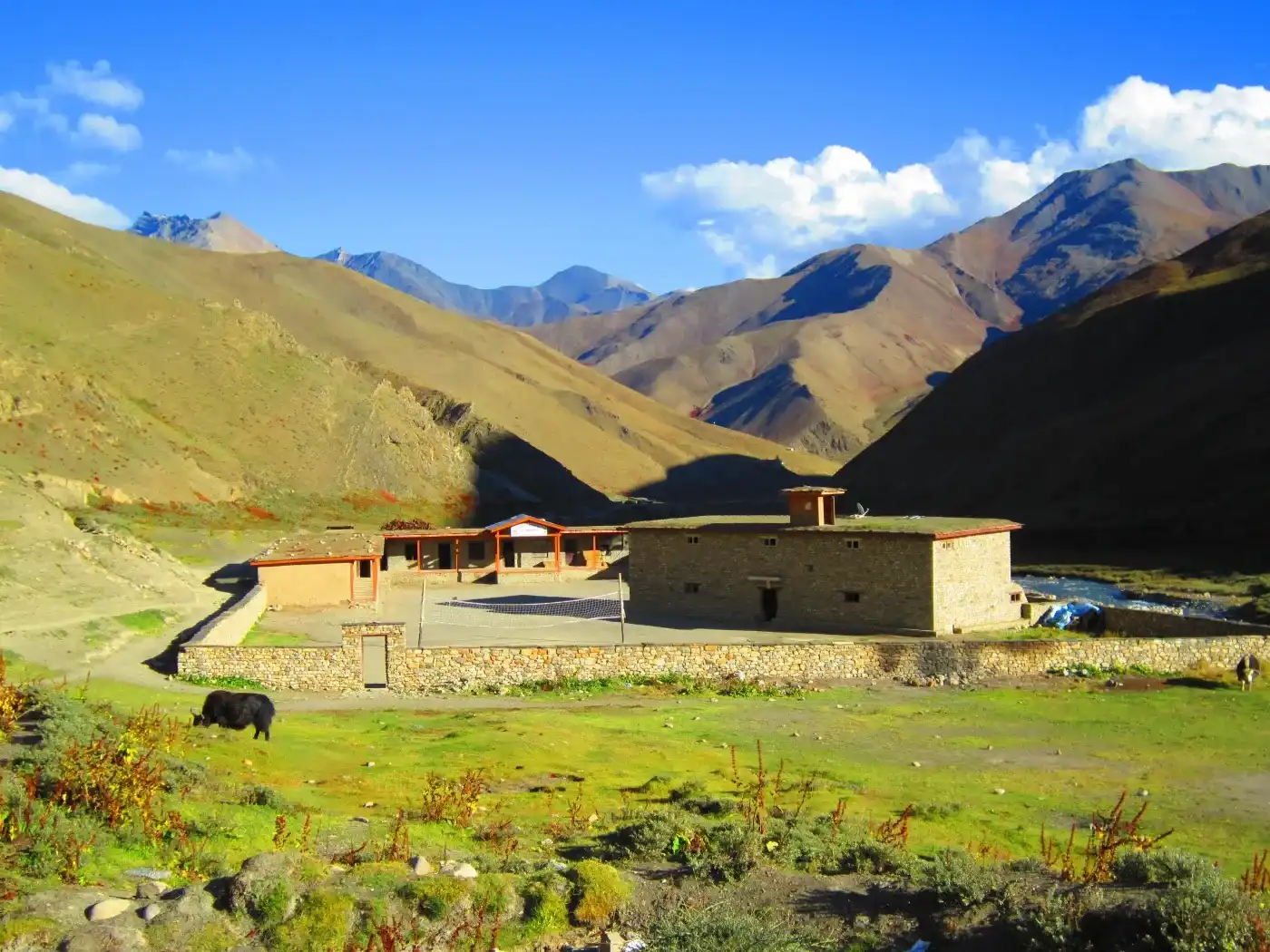
The trail leads through the dramatic Tarap River gorge, across wooden planks and stone paths. We pass Chhyugar and a small stream before reaching Toltol, a winter settlement for Upper Dolpo locals.
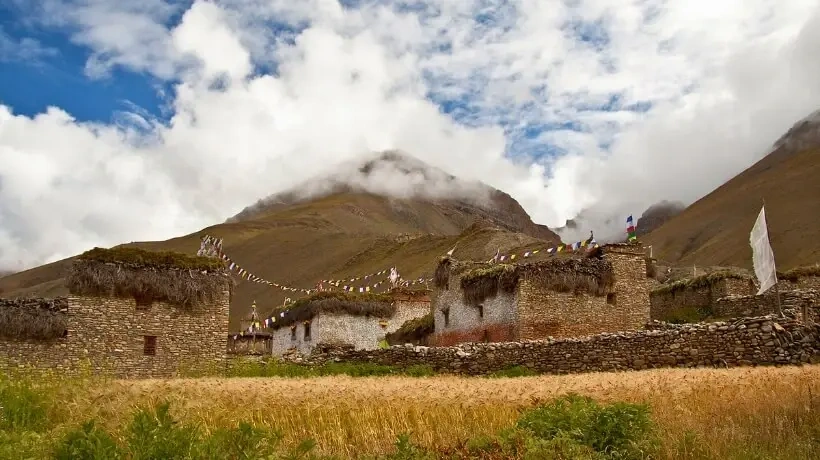
We follow the Tarap River towards Kamattarka, where Tarap Chu meets Lang Khola. Entering a gorge and forests of juniper and wild rose, we arrive at the walled village of Dho Tarap, once a major trade post.
A rest day for acclimatization. We visit monasteries, learn about Bon-Po and Nyingmapa traditions, and interact with locals who wear traditional homespun clothing and Tibetan-style somba boots.
Ascending alongside the Tarap Chu River, we pass Tokyu village and cross to Khanger. Heading northwest along rugged trails, we reach Numa La Base Camp.
We climb steeply over Numa La Pass, rewarded with stunning views of Mt. Dhaulagiri (8,167m), Norbung Kang (6,085m), and the Churen Himal. A descent through meadows leads us to Danighar.
A steep ascent leads to Baga La Pass, adorned with sacred chortens and panoramic views of Norbung Kang and Phoksundo Lake. We descend into a ravine and continue to Temche/Yak Kharka.
Descending through pine, oak, juniper, and cypress forests, we pass Ringmo village—a Bon settlement—before reaching the breathtaking Shey Phoksundo Lake.
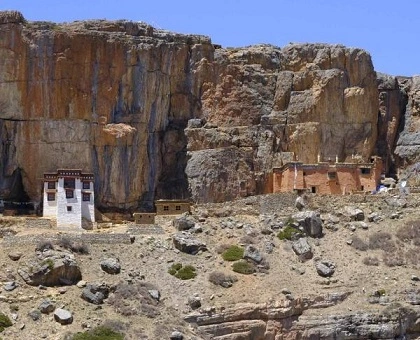
We spend the day exploring turquoise Phoksundo Lake—the deepest in Nepal. Visit Ringmo village and the 900-year-old Tshowa Bon Monastery, with opportunities to see surrounding glaciers.
We climb for final views of Phoksundo Lake before descending to Chunuwar. Passing forests of pine and birch and the village of Rechi, we continue to Chhepka.
We trek through Shyanta and Kageni villages, cross the Dhim Khola suspension bridge, and walk past fields of barley and wheat to reach Juphal.
Early morning flight from Juphal to Nepalgunj, then connect to Kathmandu. The afternoon is free to rest or explore local eateries.
Reserved as a contingency day for possible flight delays. Alternatively, enjoy leisure time, shopping, or a farewell dinner in the capital.
Hotel
Our representative will transfer you to Tribhuvan International Airport for your onward journey.
Trip Cost – What’s Included & Excluded.
It is a moderate to strenuous trek requiring good fitness and prior hiking experience.
The highest point is Numa La Pass at 5,310 meters.
Yes, Shey-Phoksundo National Park permits and restricted area permits are required.
Accommodation is basic in remote areas with teahouses and camping facilities.
Not recommended for beginners due to high altitude and remote terrain.
Simple Nepali meals like dal bhat, noodles, soups, and basic continental options.
Limited or no connectivity in most remote sections.
Blue sheep, Himalayan birds, and possibly snow leopard habitats.
Spring (April–June) and Autumn (September–November).
Yes, a licensed guide is strongly recommended and often required for permits.