
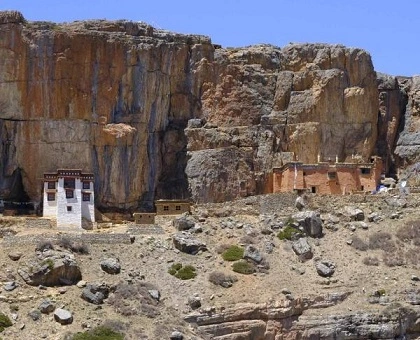
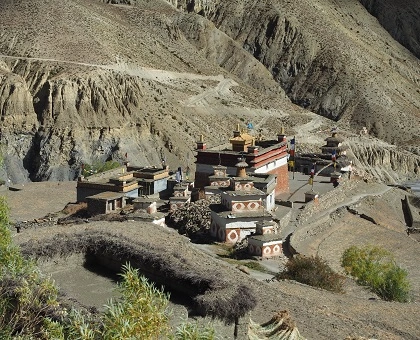
Hidden deep in the remote Himalayas of western Nepal, the Inner Dolpo Trek is a once-in-a-lifetime adventure through untouched valleys, ancient Tibetan villages, sacred monasteries, and dramatic high mountain passes. From the magical turquoise waters of Shey Phoksundo Lake to the spiritual beauty of Shey Gompa beneath Crystal Mountain, this trek offers an extraordinary journey into one of Nepal’s last hidden Himalayan kingdoms. Perfect for travelers seeking raw wilderness, authentic culture, and true adventure beyond the crowded trekking trails.
The Inner Dolpo Trek is one of Nepal’s most remote and rewarding trekking experiences, taking travelers deep into the mystical landscapes of the Dolpo region. Situated between the Dhaulagiri range and the Tibetan Plateau, Dolpo remains isolated from modernization, preserving its ancient Tibetan culture, Bon traditions, and pristine Himalayan environment.
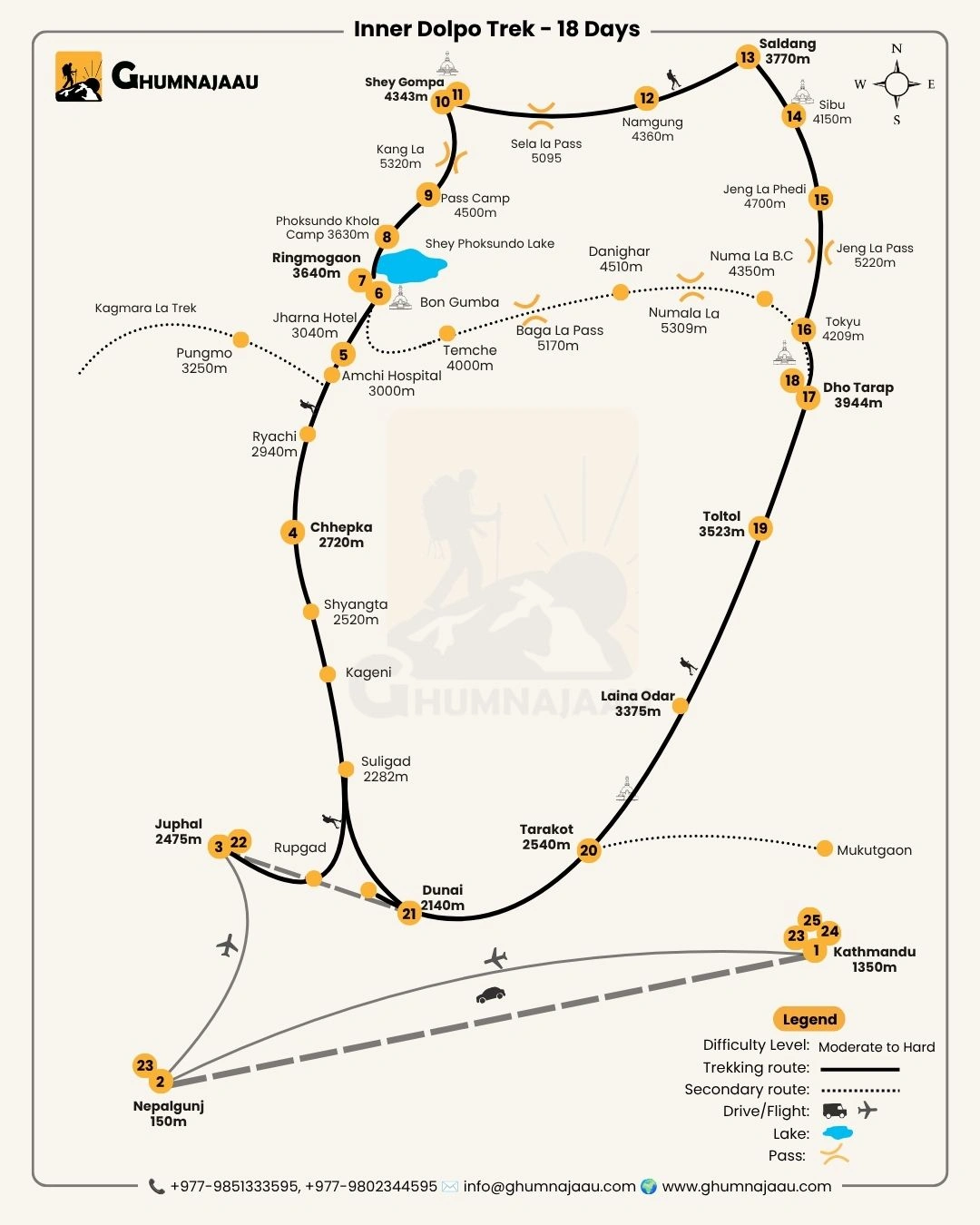
The journey begins with scenic flights from Kathmandu to Nepalgunj and Juphal before entering the dramatic wilderness of Shey Phoksundo National Park. The trail follows dense pine, oak, and rhododendron forests, cascading waterfalls, river valleys, alpine meadows, and barren high-altitude landscapes.
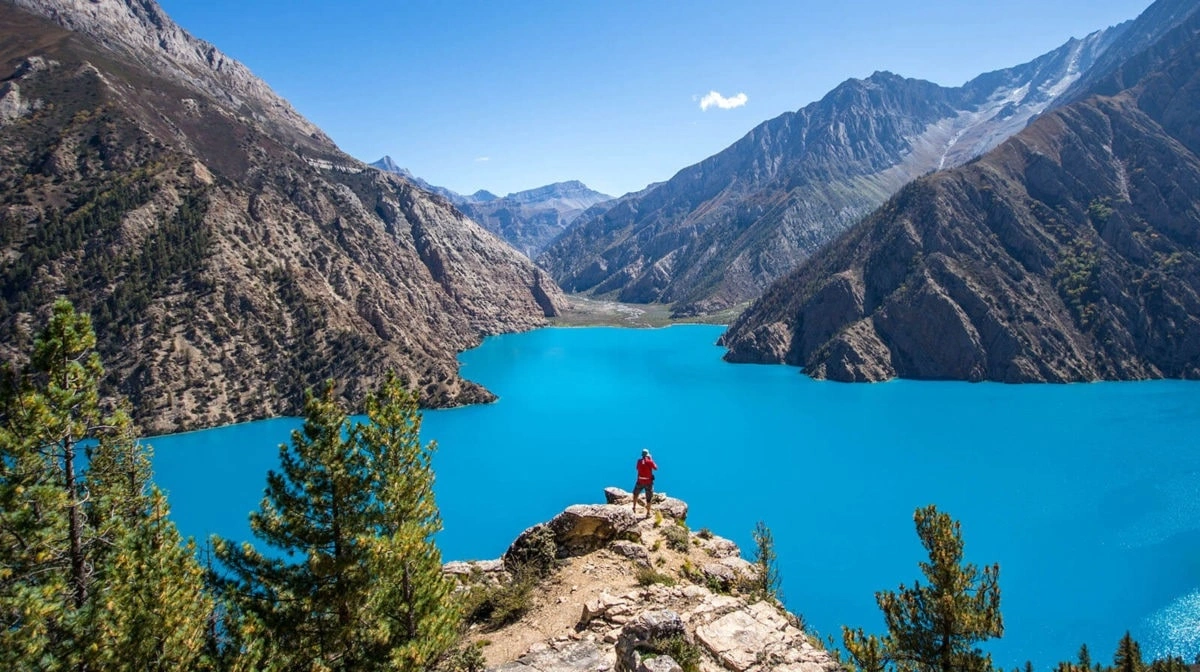
One of the trek’s greatest highlights is Shey Phoksundo Lake, Nepal’s deepest and most beautiful alpine lake, famous for its vivid turquoise water surrounded by rugged cliffs and snow-capped peaks. Beyond the lake, the route becomes increasingly remote as trekkers cross challenging Himalayan passes like Kang-La Pass (5,350m), Sela-La Pass (5,095m), and Jeng-La Pass (5,220m).
The cultural richness of Inner Dolpo is equally fascinating. Villages such as Ringmo, Saldang, Tokyu, and Dho Tarap showcase centuries-old Tibetan lifestyles, ancient monasteries, prayer walls, yak caravans, and traditional farming communities. Travelers also encounter Bon monasteries, representing one of the world’s oldest spiritual traditions predating Buddhism.
The trek offers opportunities to witness rare Himalayan wildlife including blue sheep, Himalayan griffons, musk deer, and even elusive snow leopards within Shey Phoksundo National Park.
Inner Dolpo is not just a trek — it is a journey into a forgotten Himalayan world filled with spirituality, wilderness, and authentic mountain culture.
Unlike popular trekking regions in Nepal, Inner Dolpo remains untouched, raw, and culturally preserved. This trek is ideal for adventurous travelers looking for true wilderness and authentic Himalayan experiences away from crowded tourist routes.
What Makes This Trek Special?
|
Day |
Route |
Elevation |
Duration |
|
Day 1 |
Arrival in Kathmandu |
1,338m / 4,389ft |
— |
|
Day 2 |
Fly Kathmandu – Nepalgunj |
150m / 492ft |
1 hr |
|
Day 3 |
Fly to Juphal & Trek to Sulighat |
2,080m / 6,824ft |
3–4 hrs |
|
Day 4 |
Trek to Chhepka |
2,720m / 8,923ft |
5–6 hrs |
|
Day 5 |
Trek to Jharana Hotel |
3,130m / 10,269ft |
5–6 hrs |
|
Day 6 |
Trek to Ringmo / Phoksundo Lake |
3,640m / 11,942ft |
3–4 hrs |
|
Day 7 |
Acclimatization Day |
3,640m / 11,942ft |
— |
|
Day 8 |
Trek to Phoksundo Khola Camp |
3,630m / 11,909ft |
4–5 hrs |
|
Day 9 |
Trek to Pass Camp |
4,500m / 14,764ft |
6–7 hrs |
|
Day 10 |
Cross Kang-La Pass & Trek to Shey Gompa |
5,350m / 17,552ft |
7–8 hrs |
|
Day 11 |
Exploration at Shey Gompa |
4,345m / 14,255ft |
— |
|
Day 12 |
Cross Sela-La Pass to Namgung |
5,095m / 16,715ft |
6–7 hrs |
|
Day 13 |
Trek to Saldang |
3,770m / 12,368ft |
3–4 hrs |
|
Day 14 |
Trek to Sibu |
4,150m / 13,615ft |
6–7 hrs |
|
Day 15 |
Trek to Pass Camp |
4,700m / 15,420ft |
6–7 hrs |
|
Day 16 |
Cross Jeng-La Pass to Tokyu |
5,220m / 17,126ft |
7–8 hrs |
|
Day 17 |
Trek to Dho Tarap |
3,945m / 12,943ft |
3–4 hrs |
|
Day 18 |
Contingency Day |
— |
— |
|
Day 19 |
Trek to Toltol |
3,523m / 11,558ft |
6–7 hrs |
|
Day 20 |
Trek to Tarakot |
2,540m / 8,333ft |
6–7 hrs |
|
Day 21 |
Trek to Dunai |
2,140m / 7,021ft |
5–6 hrs |
|
Day 22 |
Trek to Juphal |
2,475m / 8,120ft |
3–4 hrs |
|
Day 23 |
Fly back to Kathmandu |
— |
Full Day |
|
Day 24 |
Free Day in Kathmandu |
— |
— |
|
Day 25 |
Final Departure |
— |
— |
Spring (March – May)
Spring is one of the best seasons for the Inner Dolpo Trek. The weather remains stable with clear mountain views, blooming rhododendron forests, and comfortable trekking temperatures.
Monsoon (June – August)
Unlike other regions of Nepal, Dolpo lies in a rain-shadow area, making monsoon a surprisingly good trekking season. The landscapes become greener while the skies often remain clear.
Autumn (September – November)
Autumn offers crystal-clear mountain views, dry trails, and pleasant weather. This is the most popular season for trekking in Dolpo.
Winter (December – February)
Winter brings heavy snow and extremely cold temperatures, especially at high passes. Most routes become difficult and inaccessible.
The Inner Dolpo Trek is considered a strenuous and demanding trekking adventure suitable for physically fit trekkers with previous high-altitude trekking experience.
Physical Requirements
Altitude Challenges
The trek crosses several passes above 5,000 meters, increasing the risk of altitude sickness. Proper acclimatization days are included for safety.
Trekking Conditions
Trekkers should expect:
Accommodation during the Inner Dolpo Trek is a combination of basic teahouses and fully supported camping.
Accommodation Includes
Meals
Nutritious meals are provided throughout the trek, including:
Facilities
Due to the remoteness of Dolpo:
Inner Dolpo offers one of the most authentic cultural experiences in the Himalayas. The region is heavily influenced by Tibetan Buddhism and the ancient Bon religion, creating a spiritual atmosphere rarely found elsewhere in Nepal.
Trekkers pass through traditional villages like Ringmo, Saldang, Tokyu, and Dho Tarap, where locals still practice centuries-old customs, farming traditions, and yak trading lifestyles. Ancient monasteries, mani walls, prayer flags, and chortens decorate the trails, reflecting deep spiritual beliefs.
Visitors may also witness colorful local festivals, traditional Tibetan dress, and warm Himalayan hospitality from communities that have remained culturally isolated for generations.
The trek begins in Kathmandu with a domestic flight to Nepalgunj, followed by another scenic mountain flight to Juphal, the gateway to Dolpo.
Transportation Route
After completing the trek, travelers return via the same flight route from Juphal to Kathmandu.
Due to weather conditions in remote mountain regions, flight delays are common, so contingency days are highly recommended.
✔ Experienced Local Guides
Professional trekking guides with deep knowledge of Dolpo’s trails, culture, and safety.
✔ Complete Trekking Support
We manage permits, transportation, camping logistics, meals, and equipment.
✔ Safety First Approach
Well-planned acclimatization, medical support, and emergency assistance throughout the journey.
✔ Authentic Local Experience
We promote responsible tourism while supporting local communities and preserving Himalayan culture.
✔ Personalized Customer Service
Flexible itineraries, quick communication, and dedicated support before and during your trek.
Book Your Inner Dolpo Adventure Today
Contact Ghumnajaau today to customize your Inner Dolpo Trek and reserve your unforgettable Himalayan journey.
Upon arrival at Tribhuvan International Airport in Kathmandu, you will be greeted and transferred to your hotel. Later in the day, a trek briefing will be held, covering the route, safety, and equipment check. After the long flight, it is important to rest well and stay hydrated. Kathmandu sits at a moderate altitude, so no acclimatization is required at this stage. Overnight at a 4★ hotel.
After breakfast, trek permits and documentation are processed. In the afternoon, take a scenic one-hour flight to Nepalgunj, a bustling town in the lowland Terai region near the Indian border. The area is hot and humid, offering a stark contrast to the mountains. An early night is recommended as tomorrow begins with a mountain flight into Dolpo. Overnight at a 3★ hotel.
Take a spectacular 35-minute mountain flight from Nepalgunj to Juphal, with stunning aerial views of the Dhaulagiri and Annapurna ranges. From Juphal, begin trekking on a gradual descent through maize fields and the Thuli Bheri River valley. The trail can be narrow and dusty at times, passing through small villages before reaching Sulighat, the entry point of Shey Phoksundo National Park. Overnight in tents near Sulighat
Today’s trail follows the Suli River, crossing suspension bridges and winding into forest zones filled with fir, bamboo, and birch trees. You’ll pass small Magar and Tibetan-influenced villages along the way. The route involves steady uphill climbing until reaching Chhepka, where the camp is set. Overnight camping at Chhepka
The trek continues through lush forests, riverside trails, and several waterfalls. As you move higher, the landscapes begin to reveal Dolpo’s alpine character. Yaks and sheep grazing in high meadows mark the transition into remote mountain territory. Camp is set in an open meadow near Jharana Hotel.
The trail follows the Phoksundo River and passes the spectacular Suligad Waterfall (330m), the tallest in Nepal. A short but rewarding hike leads to the breathtaking Phoksundo Lake, famous for its turquoise waters. Nearby lies Ringmo village, known for its Bon Po traditions and Tibetan culture. Camping is arranged by the lakeshore.
This rest day helps your body adjust to the altitude. Explore the lakeshore and Ringmo village, and visit the local monastery to learn about Bon religion. Short hikes to viewpoints provide magnificent perspectives of the lake and surrounding peaks. Avoid strenuous activity and focus on acclimatization.
Skirting the western edge of the lake, the trail becomes rugged with sandy, rocky terrain. Narrow cliffside paths add a touch of adventure as you descend into a remote valley. Panoramic views of Kanjirowa Himal (6612m) dominate the skyline. Camp is set along the Phoksundo Khola.
The route follows riverbeds and glacial valleys with a gradual ascent. The higher altitude requires a slower pace, with regular breaks to monitor acclimatization. By late afternoon, you arrive at Snowfields Camp, situated just below Kang-La Pass.
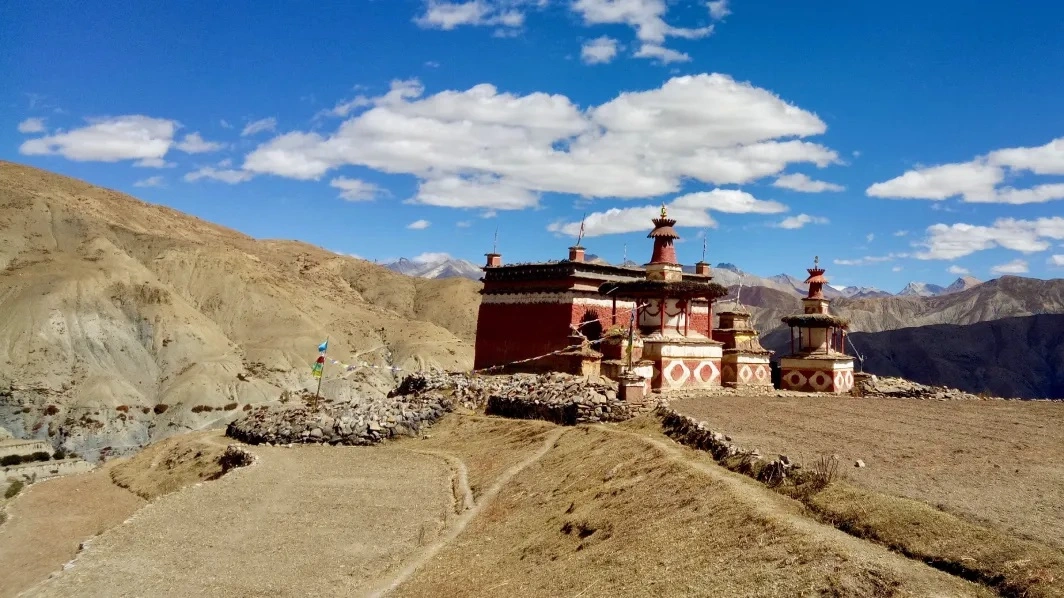
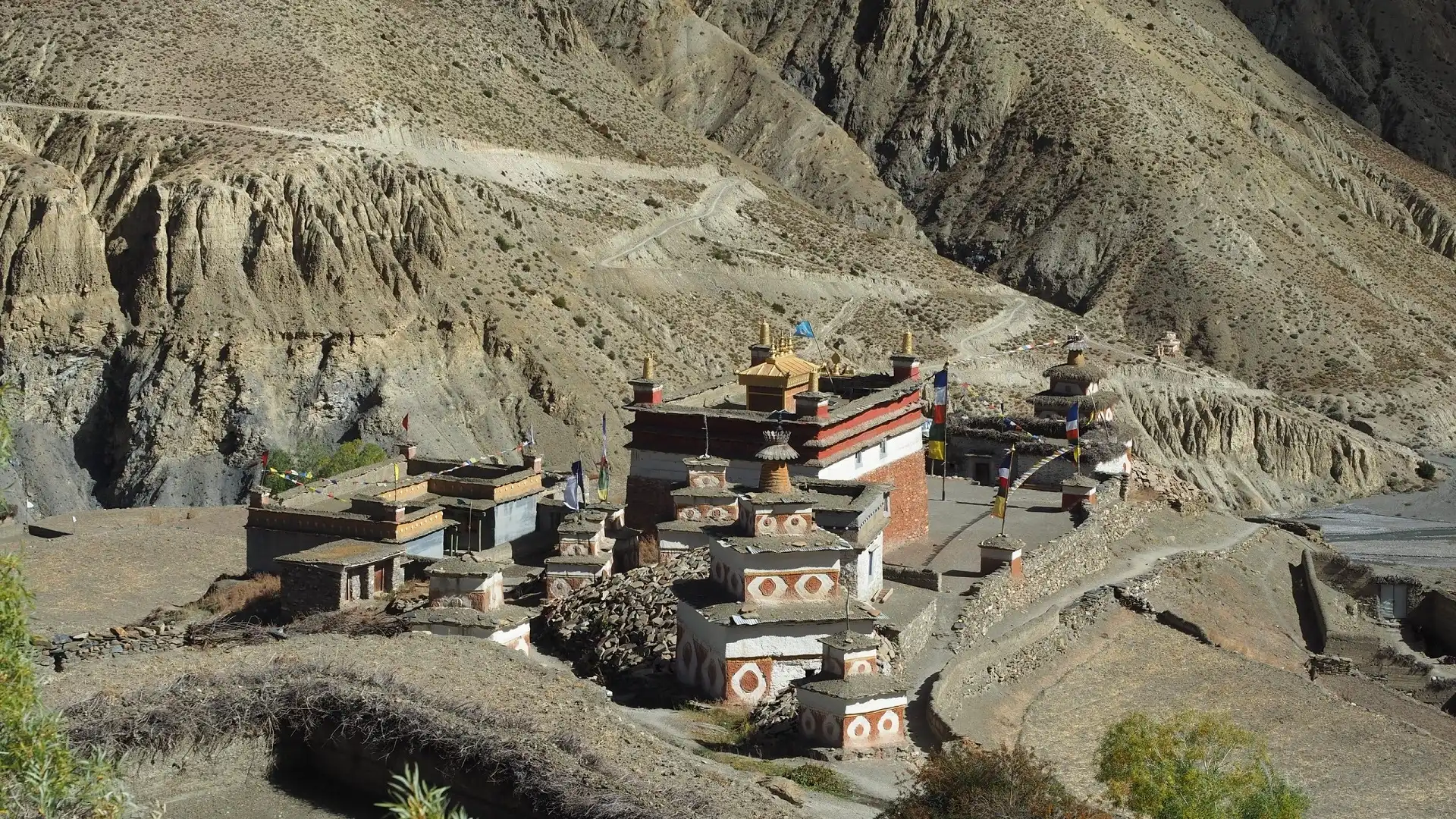
A challenging day begins with a steep climb up scree slopes to the Kang-La Pass. The effort is rewarded with sweeping views of Shey Valley and the sacred Crystal Mountain. The descent leads into Shey Gompa, home to an 800-year-old monastery and one of the most spiritually significant places in Dolpo. Overnight at Shey Gompa.
Spend the day exploring Shey Gompa and its surroundings. Crystal Mountain is revered as a pilgrimage site where devotees perform the kora (circumambulation). This rest day also helps with acclimatization before the next passes. Overnight camping.
The trail climbs steadily over rocky terrain toward the Sela-La Pass. From the top, enjoy views of the arid Tibetan plateau-like landscape. A descent brings you to Namgung village, where a dramatic monastery sits perched on a cliff. Overnight in camp near Namgung.
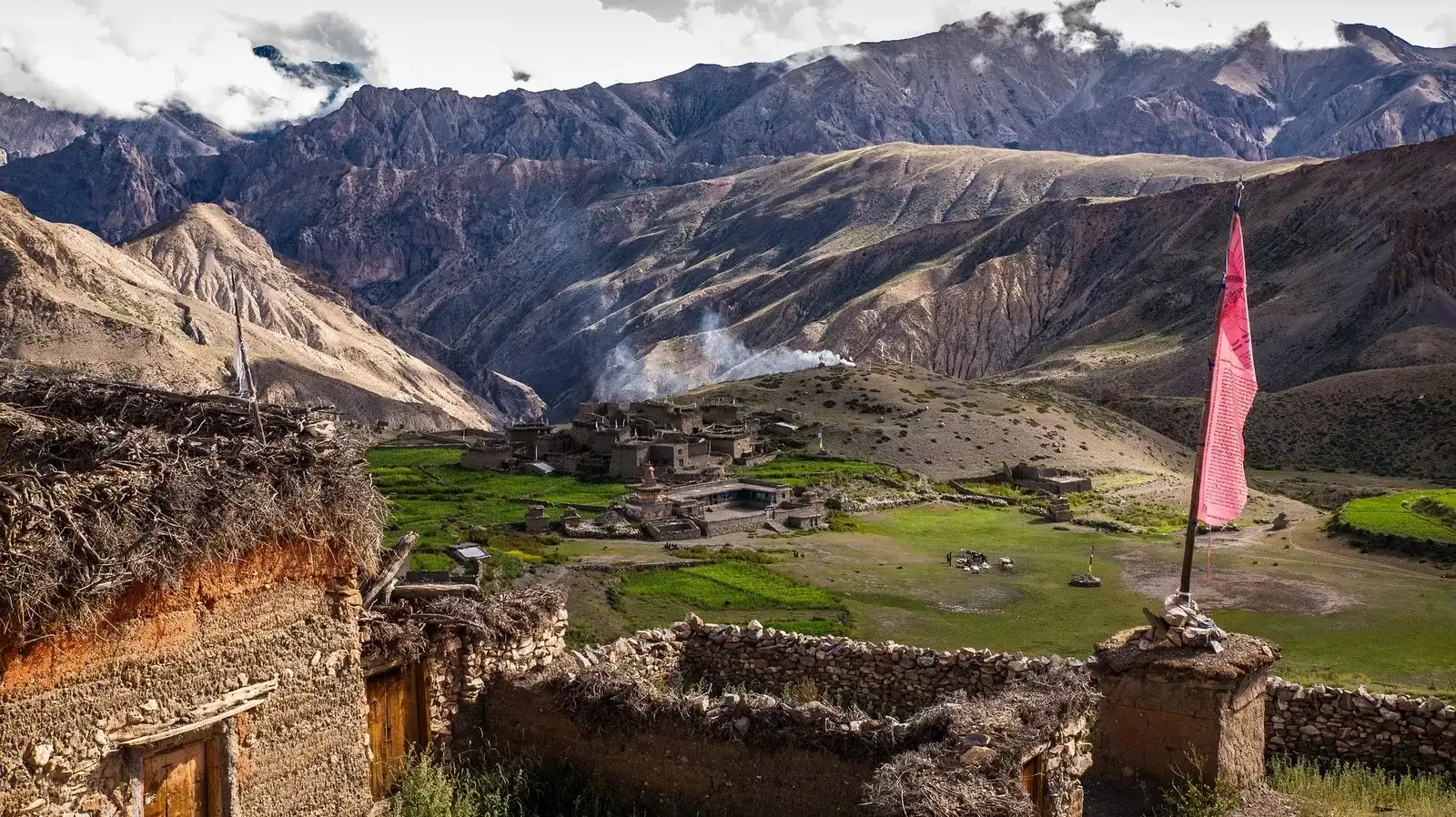
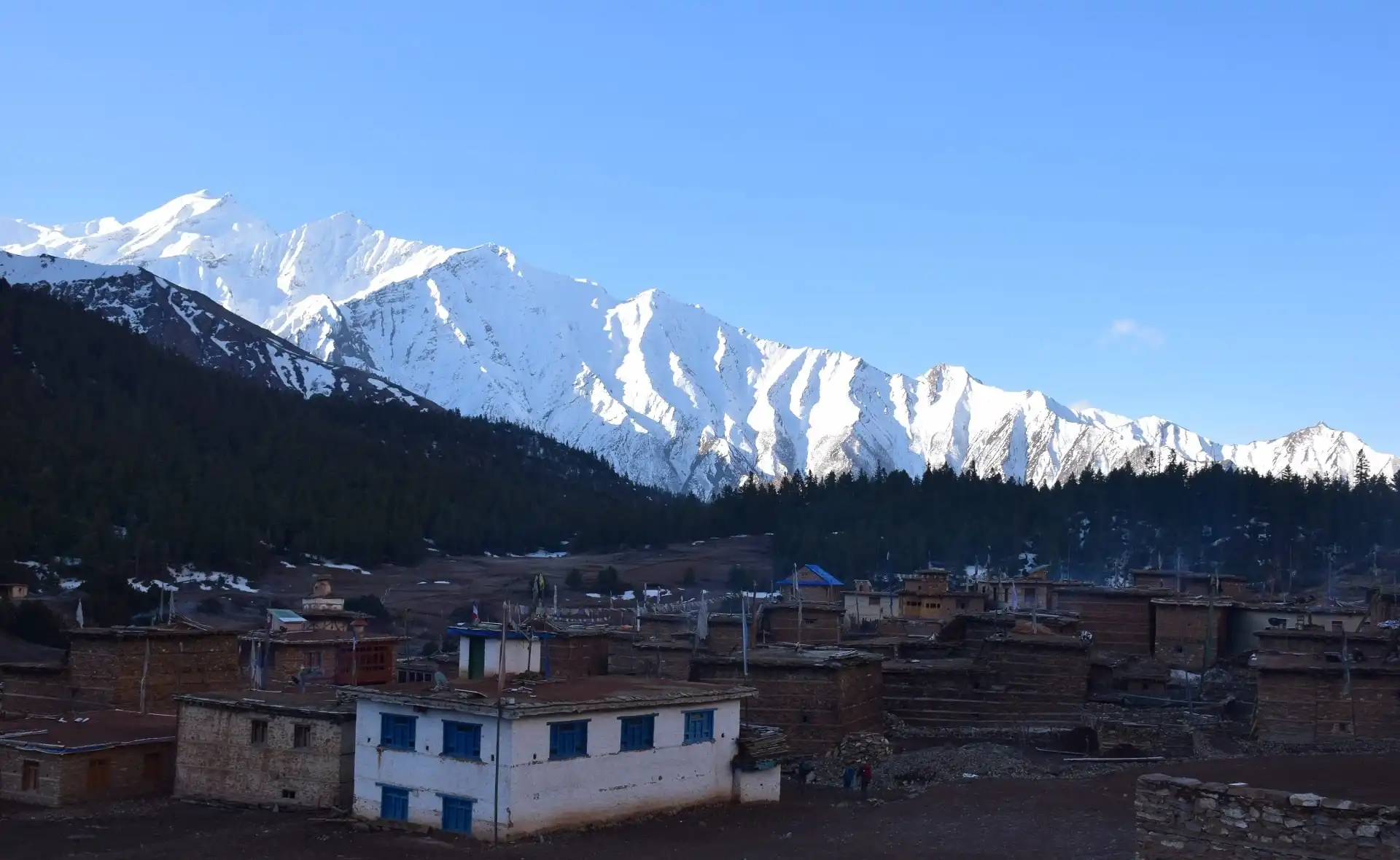
A relatively short trek follows the Nagon Khola river valley. By midday, you reach Saldang, Dolpo’s largest settlement, historically a key trading hub with Tibet. The village showcases Tibetan lifestyle, with barley and buckwheat fields lining the valley. Overnight camping in Saldang.
The trail climbs gradually through stark but beautiful arid landscapes, dotted with mani walls and stupas. You may encounter yak caravans carrying salt and goods from Tibet, reflecting the region’s long-standing trade traditions. Overnight camping at Sibu village.
Today’s route follows a remote and sparsely inhabited valley. The alpine scenery becomes harsher, with glacial streams and rocky paths leading toward the base of Jeng-La Pass. Camp is set at Jeng-La Phedi, preparing for tomorrow’s high crossing.
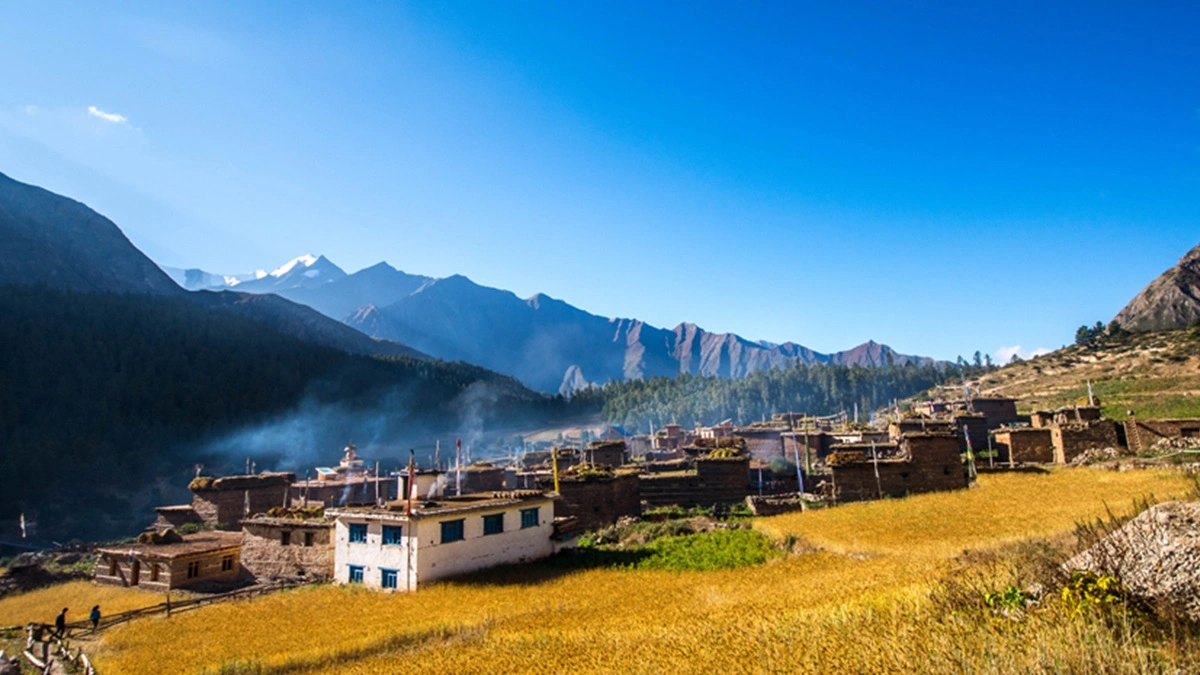
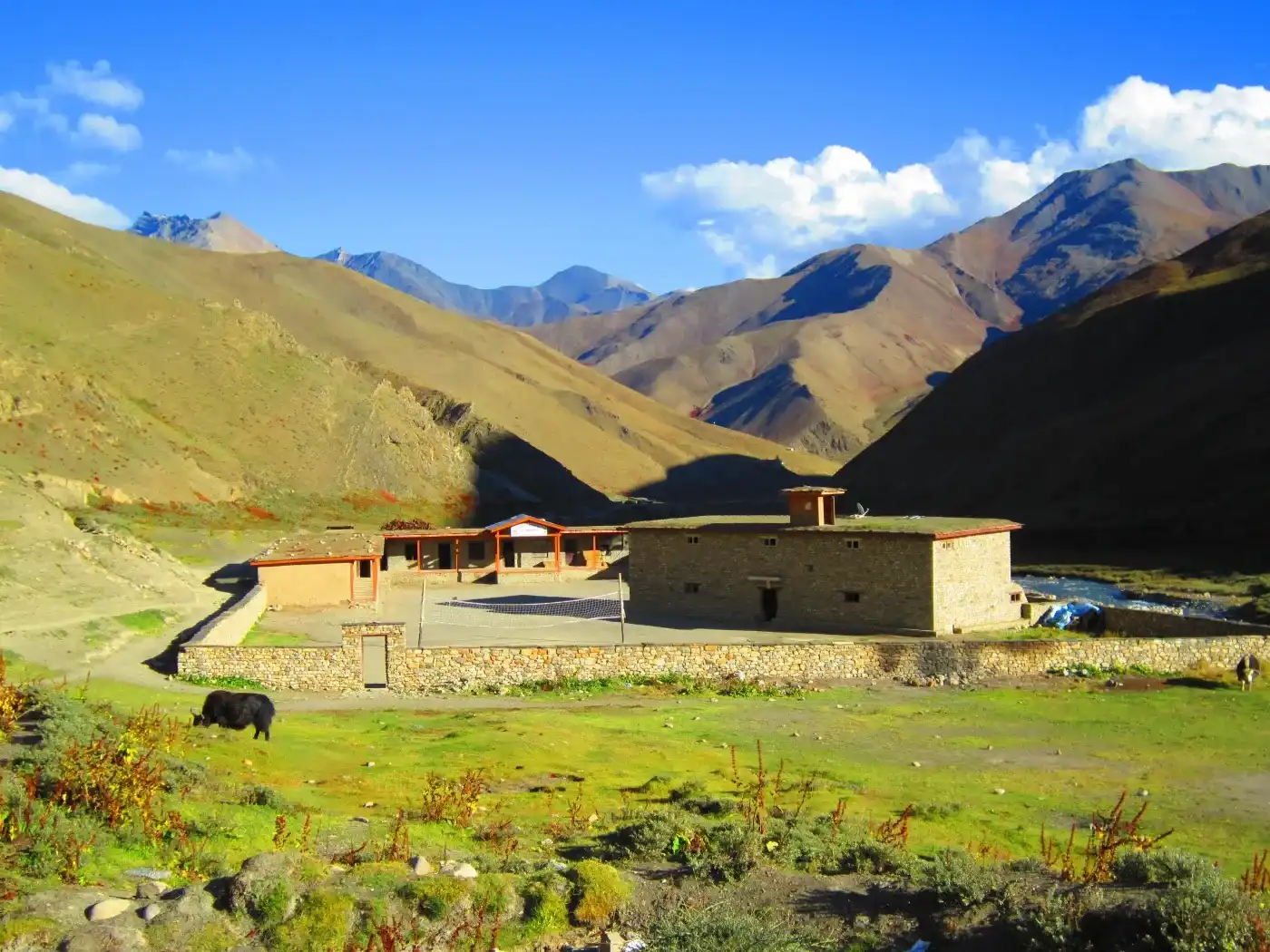
A tough climb brings you to the windy crest of Jeng-La Pass, with spectacular views of the Dhaulagiri massif. From here, descend into the wide and fertile valley of Tokyu. This village, with its Buddhist gompas and farming community, provides a cultural and scenic highlight. Overnight in Tokyu.
An easy walk downstream leads into Dho Tarap, a culturally rich valley with monasteries, chortens, and a unique polyandry tradition. Spend the afternoon exploring the village, interacting with locals, and enjoying the contrast between fertile fields and rugged mountain surroundings.
This day is kept as a buffer to accommodate any unforeseen circumstances such as weather delays, health issues, or the need for extra rest after the challenging days in Dolpo. Trekkers can use the time to relax, rejuvenate, or explore the surroundings. An optional excursion includes a visit to the serene Ribo Bumpa Monastery and nearby meditation caves, which provide a glimpse into the region’s deep spiritual traditions and Buddhist practices.
Leaving the peaceful village of Dho Tarap, the trail follows the Tarap Chu River as it meanders through dramatic gorges and narrow valleys. The path involves crossing wooden bridges and passing beneath towering cliffs that contrast beautifully with open meadows. This section of the trek is rich in natural beauty, combining wild, rugged landscapes with occasional serene resting spots. After a full day of trekking, you reach Toltol, a small settlement beside the river.
Today’s journey continues downstream along rocky paths and through lush river valleys, with several crossings over suspension bridges. The landscape gradually becomes greener and more fertile as you descend. By afternoon, you arrive at Tarakot, an ancient fortress town that once served as the gateway to Dolpo. With its old stone walls, chortens, and rich history, Tarakot is a fascinating cultural stop, offering a blend of tradition and scenic charm.
The trek from Tarakot to Dunai is relatively easier, with a steady descent along the Bheri River. The trail passes through fertile valleys, cultivated fields, and small villages, signaling the transition from remote Dolpo into more accessible areas. Dunai, the district headquarters of Dolpa, offers basic facilities and the lively atmosphere of a mountain town. It’s a comfortable stop where you can enjoy the first signs of modern amenities after weeks in the wilderness.
On this short final trekking day, you make a gentle climb from Dunai to the small airstrip at Juphal. The trail winds through terraced fields and villages, allowing for reflection on the long and rewarding journey. Upon reaching Juphal, it’s time to celebrate the successful completion of the Upper Dolpo trek with the crew, who have been companions and guides throughout this adventure.
An early morning flight takes you from Juphal to Nepalgunj, followed by a connecting flight to Kathmandu. Weather permitting, the aerial views of the Himalayas are breathtaking. After arrival in Kathmandu, you are transferred to your hotel, where the comforts of city life await. In the evening, enjoy a well-deserved farewell dinner to celebrate the completion of the trek and to share memories with fellow trekkers.
This buffer day is reserved in case of delays in flights from Dolpo. If flights run smoothly, the day can be used for sightseeing in the Kathmandu Valley, exploring UNESCO World Heritage Sites such as Pashupatinath Temple, Boudhanath Stupa, and the medieval city of Bhaktapur. Alternatively, you may wish to relax, shop for souvenirs, or simply enjoy the lively streets and cafes of Thamel.
After breakfast, depending on your flight schedule, you will be transferred to Tribhuvan International Airport for your departure. As you board your flight home, you carry with you unforgettable memories of Dolpo’s remote landscapes, unique culture, and the spirit of adventure that defined this journey.
Trip Cost – What’s Included & Excluded.
The trek is considered strenuous due to high altitude passes, remote trails, and long trekking days.
Yes, previous high-altitude trekking experience is highly recommended.
The highest point is Kang-La Pass at 5,350 meters (17,552 feet).
Yes, much of Inner Dolpo lacks teahouse facilities, so camping is essential.
Trekkers need:
Yes. Proper acclimatization and hydration are extremely important during this trek.
Meals include Nepali, Tibetan, and basic international dishes prepared by the camping crew.
Limited charging facilities may be available in some villages, but internet access is very limited.
This trek is not recommended for complete beginners due to its difficulty and remoteness.
Spring (March–May) and Autumn (September–November) are the best seasons for trekking.