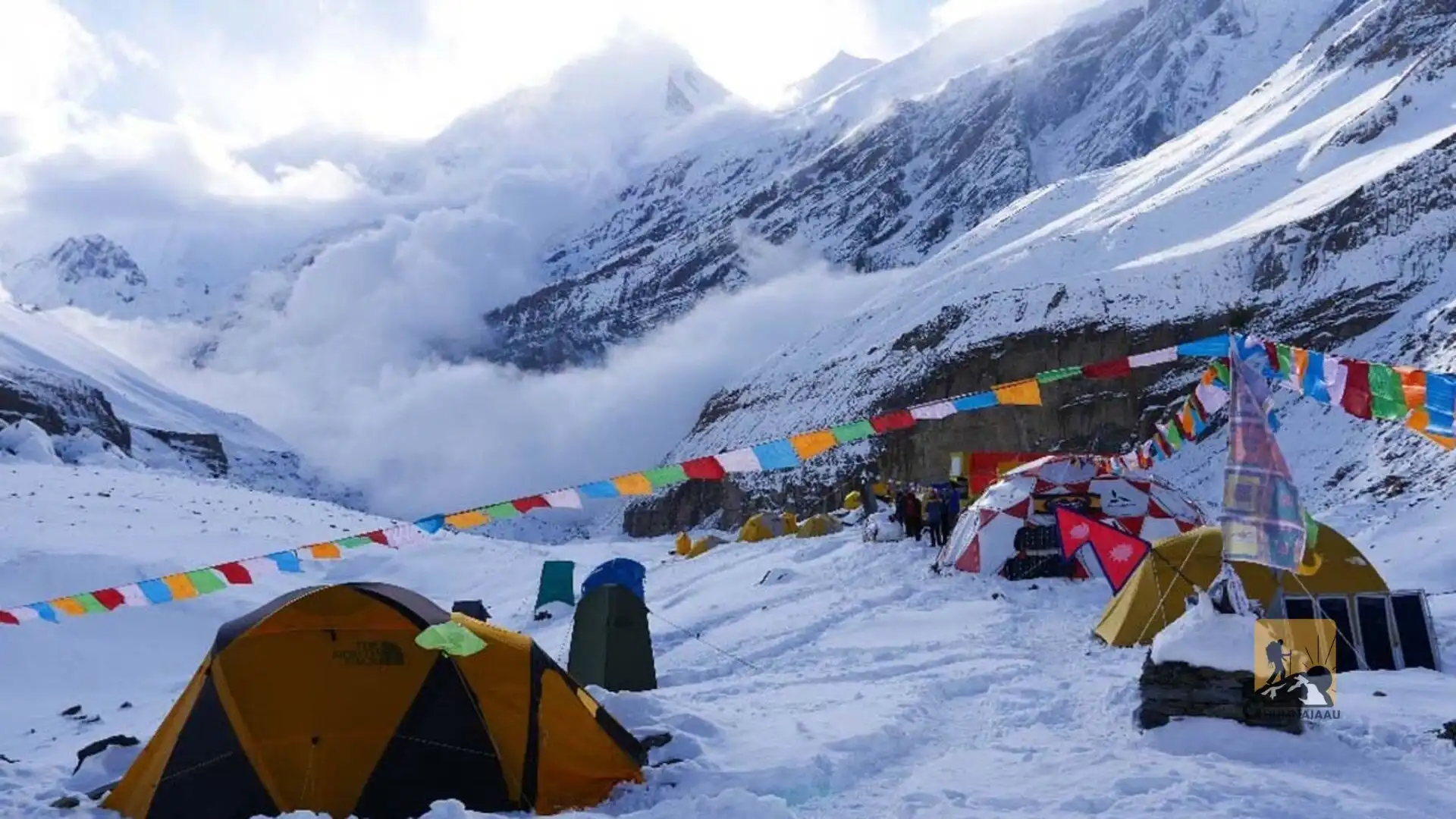
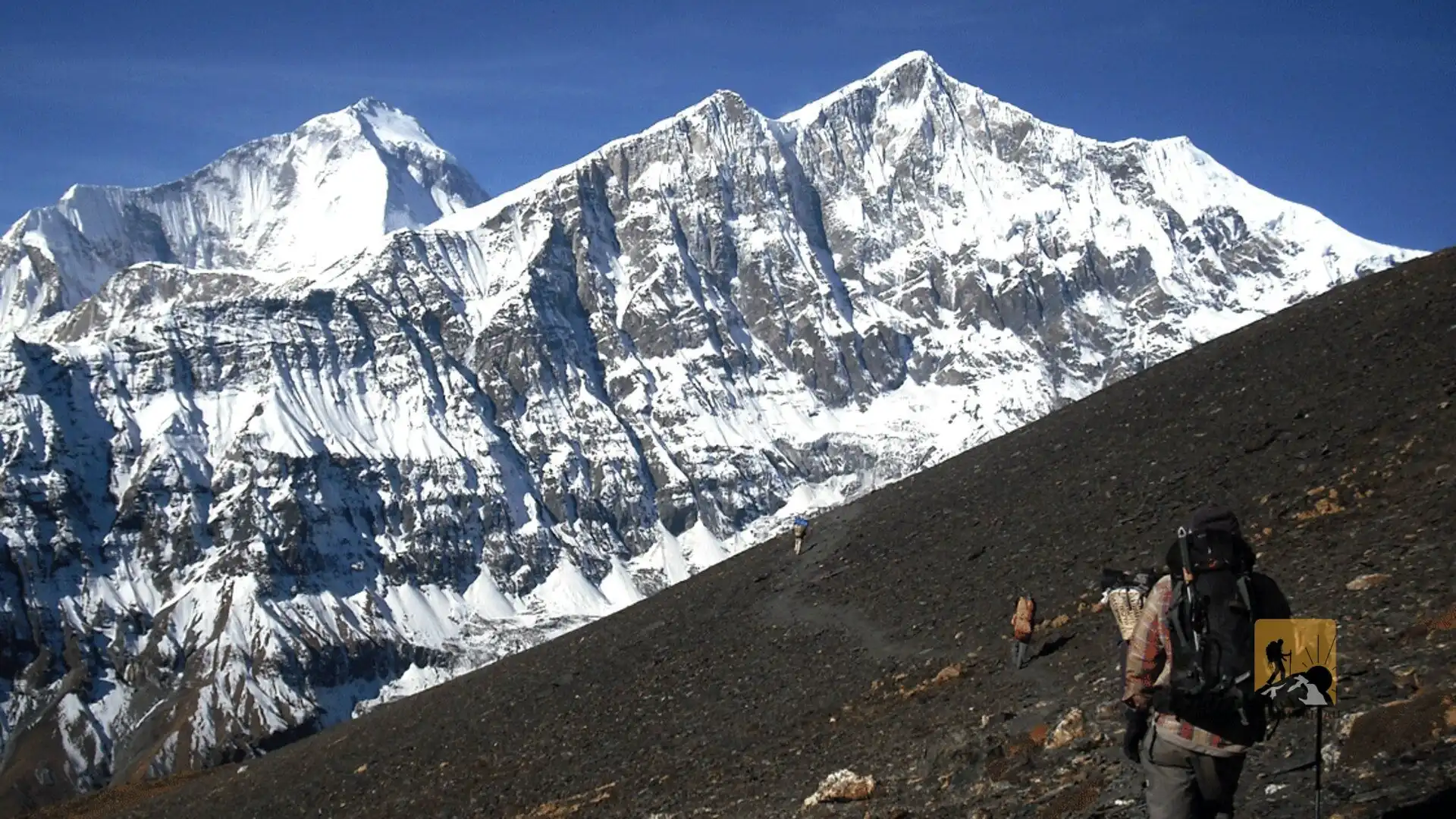
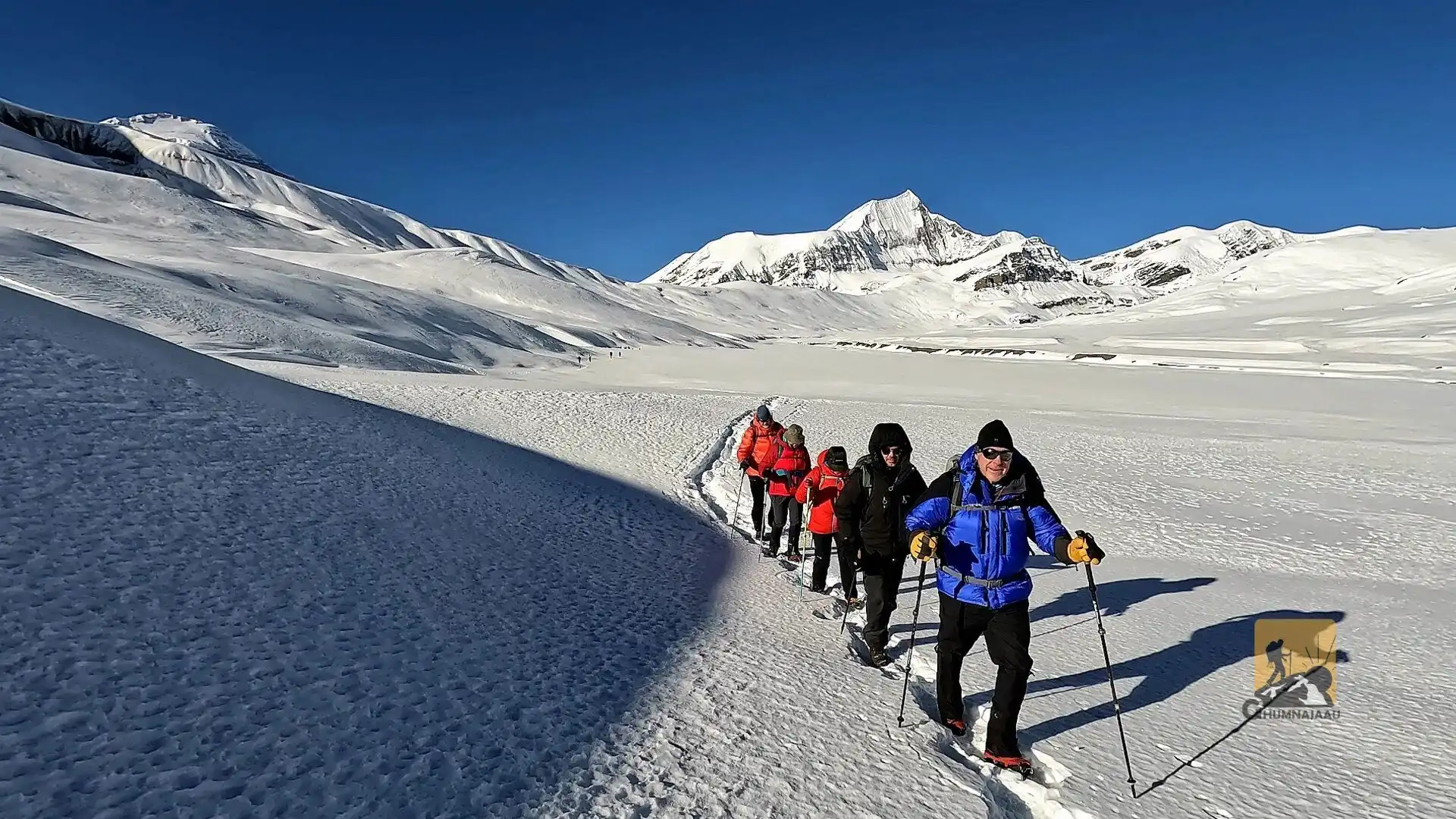
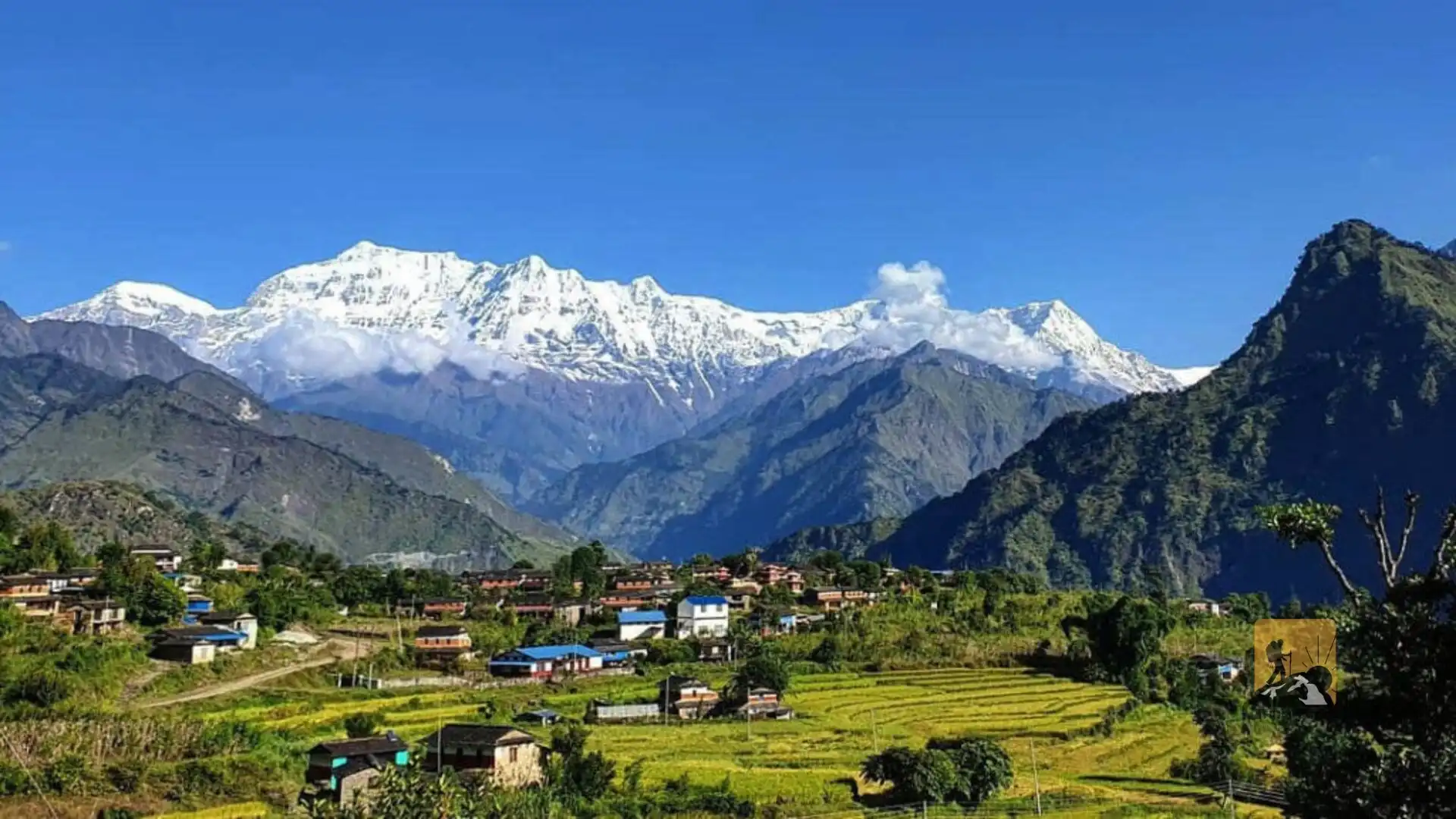
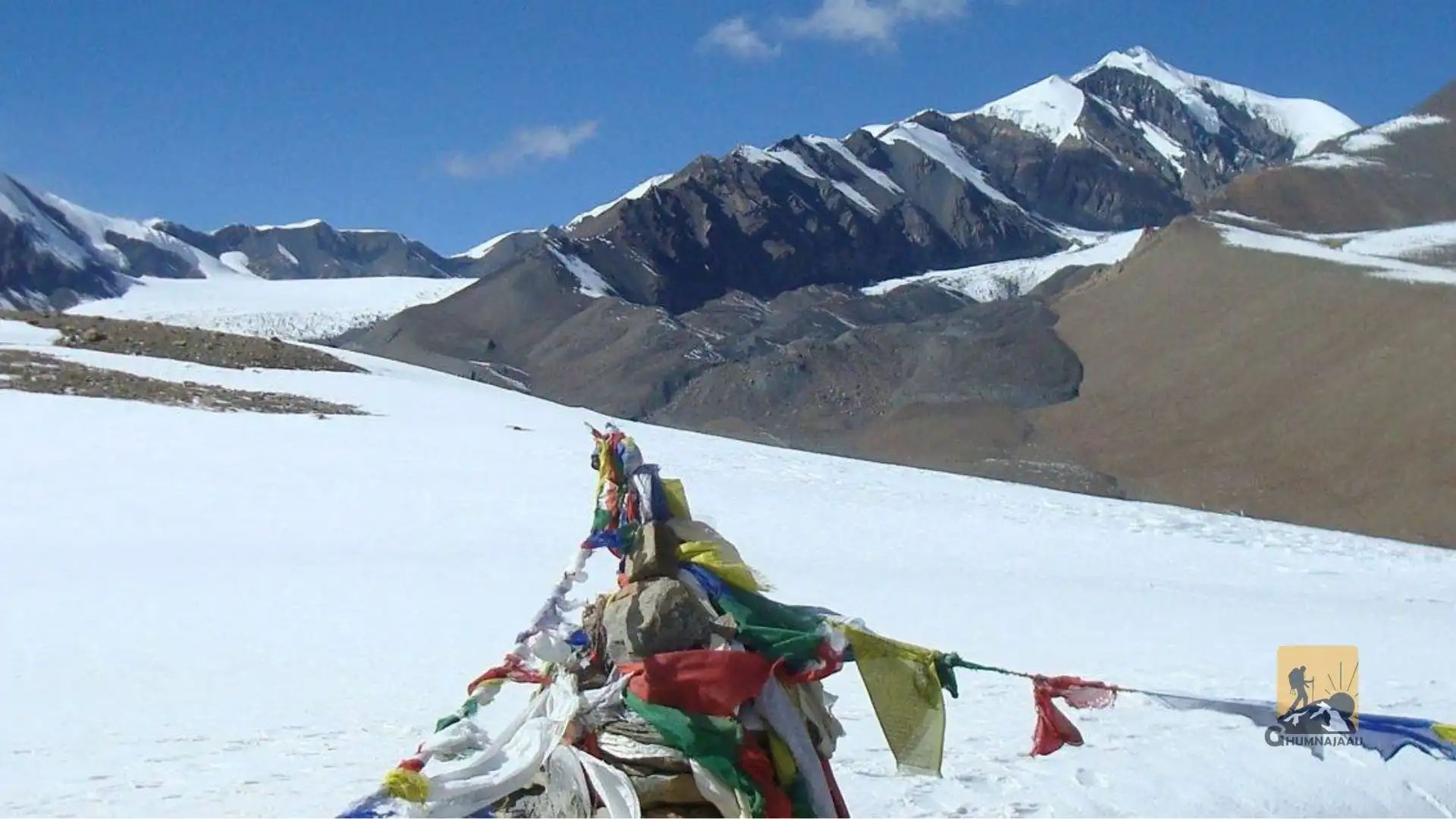
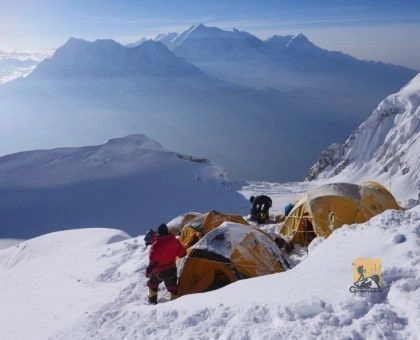
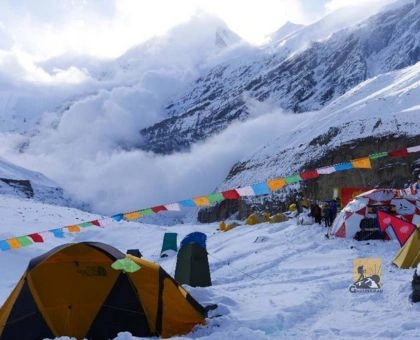
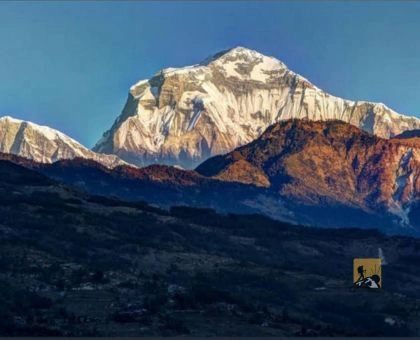
The Dhaulagiri Circuit Trek is a once-in-a-lifetime Himalayan adventure designed for trekkers who dream beyond ordinary trails. Circling the mighty Mount Dhaulagiri (8,167m), the world’s seventh-highest peak, this spectacular journey takes you through remote mountain villages, glacier valleys, hidden alpine landscapes, and dramatic high passes. From the peaceful Magar settlements to the thrilling crossing of French Pass (5,360m), every step offers raw wilderness, authentic culture, and unforgettable mountain scenery that deeply connects travelers with the heart of the Himalayas.
The Dhaulagiri Circuit Trek is one of Nepal’s most demanding yet rewarding trekking adventures. Located in the remote western Himalayan region, this trek circles around the towering Dhaulagiri massif and offers a complete wilderness experience filled with glaciers, alpine passes, remote valleys, and untouched mountain culture. The journey begins from Kathmandu with a scenic drive to Pokhara and Beni before entering traditional Magar villages such as Muri, Boghara, and Dobhan. The lower trails pass through dense forests of bamboo, oak, and rhododendron, alongside waterfalls, rivers, and terraced hillsides.
As the trek gradually gains elevation, trekkers reach Italian Base Camp and Japanese Base Camp where stunning panoramic views of Dhaulagiri I, Tukuche Peak, and surrounding snow-covered mountains dominate the landscape. The adventure becomes more thrilling while crossing glacier terrain, icy moraines, and high-altitude alpine sections toward Dhaulagiri Base Camp. The most exciting part of the trek is crossing the famous French Pass (5,360m), which rewards trekkers with magnificent 360-degree Himalayan views. After entering the remote Hidden Valley, the route continues over Dhampus Pass before descending into the beautiful Mustang region and the apple orchards of Marpha.
Unlike commercial trekking routes, the Dhaulagiri Circuit Trek offers true Himalayan solitude, untouched natural beauty, and a deep sense of exploration perfect for experienced trekkers seeking a challenging mountain expedition in Nepal.
The Dhaulagiri Circuit Trek is ideal for adventure seekers looking for a raw and remote Himalayan experience. Unlike Everest or Annapurna Base Camp treks, this route remains less crowded and more authentic.
What Makes This Trek Special?
|
Day |
Route |
Elevation |
Duration |
|
Day 1 |
Arrival in Kathmandu |
1,350m / 4,429ft |
30 min |
|
Day 2 |
Kathmandu – Pokhara – Beni |
830m / 2,723ft |
7–8 hrs |
|
Day 3 |
Drive to Phaliyagaon |
1,850m / 6,069ft |
5–6 hrs |
|
Day 4 |
Trek to Bagar |
2,080m / 6,824ft |
6–7 hrs |
|
Day 5 |
Trek to Dobhan |
2,520m / 8,268ft |
5–7 hrs |
|
Day 6 |
Trek to Italian Base Camp |
3,660m / 12,008ft |
7–8 hrs |
|
Day 7 |
Acclimatization Day |
3,660m / 12,008ft |
Exploration |
|
Day 8 |
Trek to Japanese Base Camp |
3,890m / 12,762ft |
4–5 hrs |
|
Day 9 |
Trek to Dhaulagiri Base Camp |
4,748m / 15,577ft |
4–5 hrs |
|
Day 10 |
Acclimatization Day |
4,748m / 15,577ft |
Exploration |
|
Day 11 |
Cross French Pass to Hidden Valley |
5,360m / 17,585ft |
6–7 hrs |
|
Day 12 |
Rest Day at Hidden Valley |
5,140m / 16,863ft |
Exploration |
|
Day 13 |
Cross Dhampus Pass to Yak Kharka |
4,190m / 13,747ft |
6–7 hrs |
|
Day 14 |
Trek to Jomsom via Marpha |
2,720m / 8,924ft |
4–5 hrs |
|
Day 15 |
Flight/Drive to Pokhara |
822m / 2,697ft |
5–6 hrs |
|
Day 16 |
Return to Kathmandu |
1,350m / 4,429ft |
5–6 hrs |
|
Day 17 |
Final Departure |
— |
— |
Spring (March – May)
Spring is one of the best seasons for the Dhaulagiri Circuit Trek. The weather remains stable with clear mountain views, blooming rhododendron forests, and comfortable trekking temperatures. Higher sections still have snow, adding dramatic beauty to the trail.
Autumn (September – November)
Autumn offers crystal-clear skies, dry trails, and excellent visibility. The temperatures are stable, making it the most popular trekking season for crossing French Pass safely.
Winter (December – February)
Winter trekking is possible but extremely challenging due to heavy snowfall and freezing temperatures at high passes.
Monsoon (June – August)
Monsoon season brings rainfall, slippery trails, leeches, and poor visibility, making trekking difficult and less recommended.
The Dhaulagiri Circuit Trek is classified as a very strenuous and challenging trek suitable for experienced trekkers with excellent physical fitness.
Trekkers should be prepared for:
Previous high-altitude trekking experience is highly recommended. Proper acclimatization, stamina, and mental preparation are essential for completing this trek safely.
The Dhaulagiri Circuit Trek combines hotel stays, local lodges, and fully supported camping accommodation.
Accommodation
Meals
Trekkers are provided with full-board meals during the trek including:
Meals typically include Nepali Dal Bhat, noodles, soups, rice, pasta, potatoes, vegetables, eggs, and seasonal local foods.
Facilities
The Dhaulagiri region is home to diverse ethnic communities, especially the Magar people, known for their rich traditions, bravery, and warm hospitality. Trekkers pass through traditional villages where ancient lifestyles remain unchanged for generations.
Along the trail, visitors can experience:
The trek offers a rare opportunity to connect deeply with untouched Himalayan culture away from commercial tourism.
The journey starts from Kathmandu with either a scenic flight or drive to Pokhara, followed by a private vehicle drive to Beni and Phaliyagaon, the trek starting point.
Transportation Route
Travel Duration
Private vehicles ensure comfortable transportation throughout the journey.
Why Travelers Trust Ghumnajaau
Book your Dhaulagiri Circuit Trek with Ghumnajaau today and create memories that will last forever.
👉 Contact us now for customized itineraries, group departures, and special offers.
Pick up from Tribhuvan International Airport and transfer to your hotel in Kathmandu. Evening briefing and welcome dinner.
Morning flight or drive to Pokhara, then continue driving to Beni Bazaar by private vehicle.
Drive through rural landscapes, terraced fields, and Magar villages including Tatopani, Darbang, and Sibang before reaching Phaliyagaon.
Descend to Gatti Khola, climb to Muri village, cross Dhola Khola, and pass through Naura village before reaching Bagar.
Walk through forested trails, grassy ridges, and small settlements including Jyardan and Lipshe, before ascending to Dobhan.
Pass through oak, bamboo, and pine forests before reaching Italian Base Camp with stunning views of Tukuche Peak and Dhaulagiri massif.
Rest and explore the base camp surroundings while enjoying panoramic mountain views.
Climb over rocky terrain and glacial moraines before reaching the grassy valley of Japanese Base Camp with views of Dhaulagiri I and Tsaurabong Peak.
A challenging day walking across glaciers and lateral moraines to reach Dhaulagiri Base Camp, surrounded by towering peaks and icefalls.
Optional short hikes to higher ground for better acclimatization and spectacular views of the Dhaulagiri range.
Climb across moraines and snow slopes to French Pass, with 360° mountain views, then descend to the remote Hidden Valley.
Buffer day for acclimatization, weather delays, or exploration around Hidden Valley.
Cross Dhampus Pass with magnificent views of Annapurna and Dhaulagiri ranges before descending steeply to Yak Kharka.
Descend through rocky terrain to Marpha, the famous apple-growing village, and continue to Jomsom.
Morning scenic flight to Pokhara. Afternoon sightseeing including Phewa Lake boating and local highlights.
Drive from Pokhara to Kathmandu by private vehicle (5-6 hours drive) or Afternoon flight back to Kathmandu. Free day for shopping or rest.
Transfer to Tribhuvan International Airport for final departure.
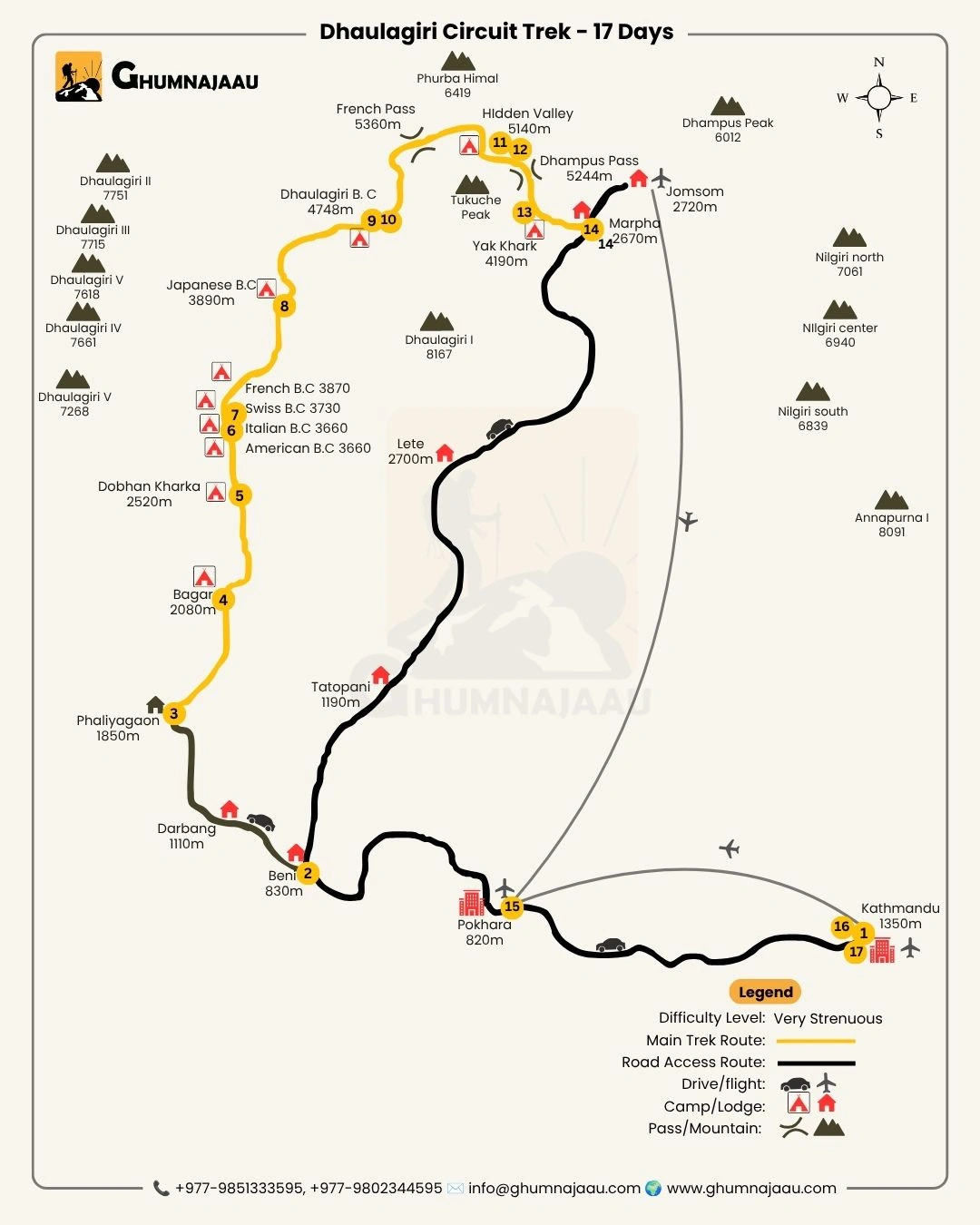
It is a very strenuous trek requiring excellent physical fitness and prior high-altitude trekking experience.
French Pass at 5,360m (17,585ft) is the highest point.
Yes, much of the route is remote with no teahouses, so tented camping is required.
Trekkers need the Annapurna Conservation Area Permit (ACAP) and TIMS Card.
Trekkers usually walk 5–8 hours per day depending on the terrain and altitude.
Meals include Nepali, Tibetan, and basic international dishes such as rice, noodles, soups, potatoes, pasta, and tea.
Yes, altitude sickness is possible above 3,500m, so acclimatization days are included in the itinerary.
Spring (March–May) and Autumn (September–November) are the best seasons.
This trek is not recommended for beginners due to its difficulty and remote conditions.
Yes, comprehensive travel insurance including emergency helicopter evacuation is highly recommended.