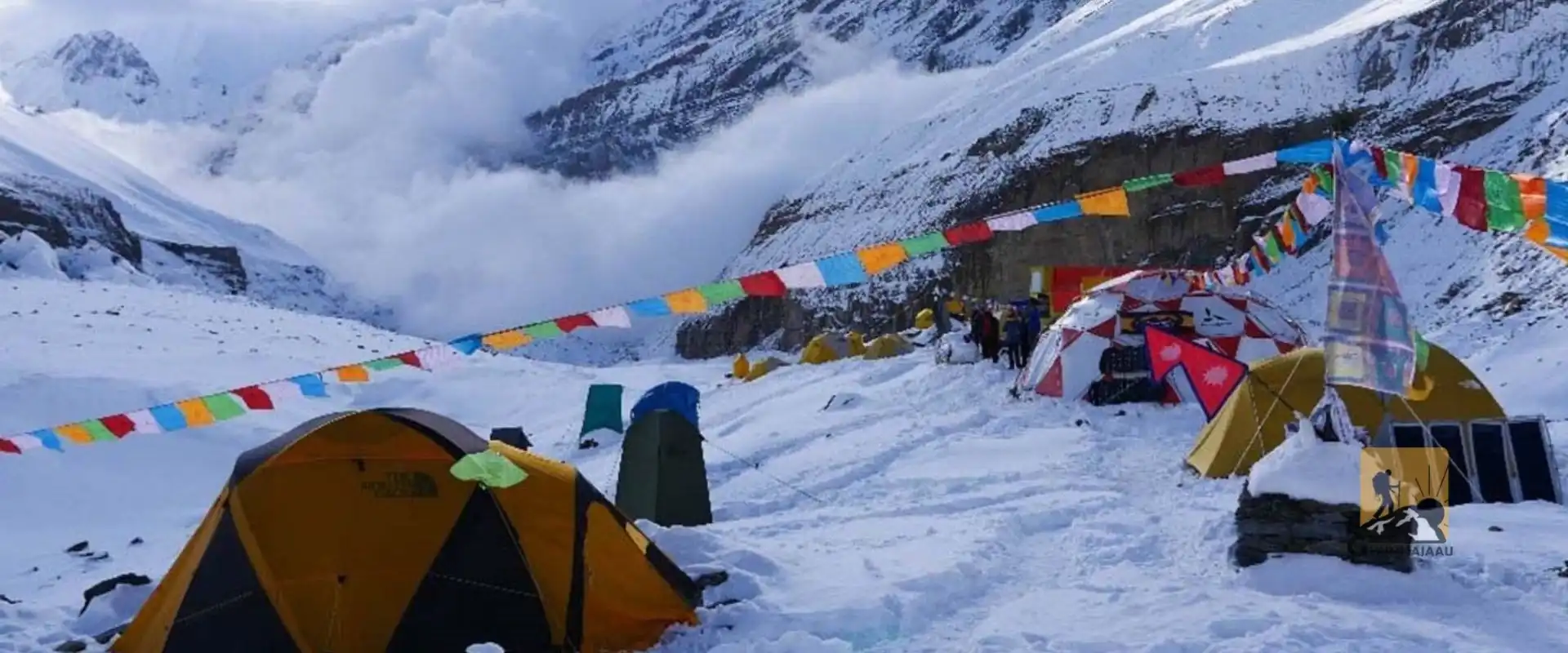
If you are searching for a Himalayan adventure that feels raw, remote, and untouched, the Dhaulagiri Region is where the trail truly disappears into wilderness. Towering above everything stands the mighty Dhaulagiri I, the world’s seventh-highest mountain—guarding a landscape carved by glaciers, deep gorges, high passes, and isolated mountain villages. This is not just a trek; it is a full immersion into one of Nepal’s most dramatic and least-explored mountain realms.
Located in the western Himalayas of Nepal within Myagdi District and Mustang District, the Dhaulagiri Region lies west of the Annapurna range and forms one of the most rugged trekking landscapes in the Himalayas.
The region is defined by:
It is a destination designed for serious trekkers and adventurers seeking solitude and challenge far from commercial trekking routes.
1. Dhaulagiri Circuit Trek
The signature adventure of the region, the Dhaulagiri Circuit Trek circles the entire Dhaulagiri massif through some of the most remote terrain in Nepal.
Key highlights:
2. Dhaulagiri South Sanctuary Trek
A shorter but equally scenic trek offering dramatic close-up views of the southern face and surrounding glaciers.
3. Dhorpatan Region Trek
The only hunting reserve in Nepal, combining wildlife, alpine meadows, and cultural villages.
4. Gurja Himal Exploration
Remote trekking routes connecting ancient villages and pristine mountain landscapes.
Gurja Himal
5. Upper Mustang & Lower Dolpa Connections
Extended expeditions linking trans-Himalayan cultures and high desert landscapes.
Lower Dolpa
Day 1–3: Kathmandu to Beni – Trek preparation & trail start
Day 4–7: Trek through villages to Italian Base Camp
Day 8–10: Dhaulagiri Base Camp exploration
Day 11–13: Cross French Pass - Hidden Valley
Day 14–16: Descent toward Jomsom/Marpha
Day 17–20: Return via Mustang route or fly out from Jomsom
The region offers a blend of highland Nepali and Tibetan-influenced culture:
Cultural diversity is rich, with Magar, Thakali, and Tibetan Buddhist traditions shaping daily life, festivals, and hospitality.
The Dhaulagiri Region is not just a trekking destination. it is a true Himalayan expedition. Rugged, remote, and awe-inspiring, it rewards only those prepared for its challenges with some of the most unforgettable mountain experiences in Nepal.
For safe, guided, and customized journeys in this region, connect with Ghumnajaau Pvt. Ltd., your trusted partner for authentic Himalayan adventures.
We create unforgettable trips, customized for your group.