
Ghumnajaau destination guide · Last updated October 2026
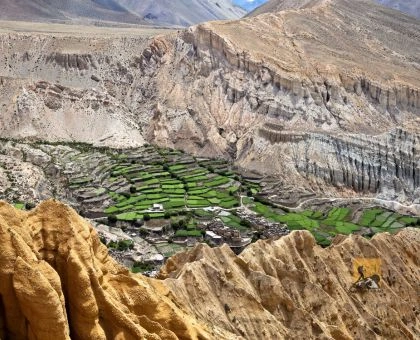
Mustang sits in the rain shadow of the Annapurna and Dhaulagiri ranges, in north-central Nepal. It is a high, dry landscape of eroded cliffs, wide windswept valleys, whitewashed villages, cave monasteries and Tibetan Buddhist culture that has changed little in centuries. The region has two very different faces. Lower Mustang is the Kali Gandaki Valley, with apple orchards, Thakali villages and the pilgrimage temple of Muktinath. Upper Mustang, the former Kingdom of Lo, is a restricted-area high desert with the walled city of Lo Manthang at its heart.
This guide covers what to see, how to get there, when to go, which permits you need, a realistic itinerary, and practical tips, so you can choose the right Mustang trip for your time, budget and interests.
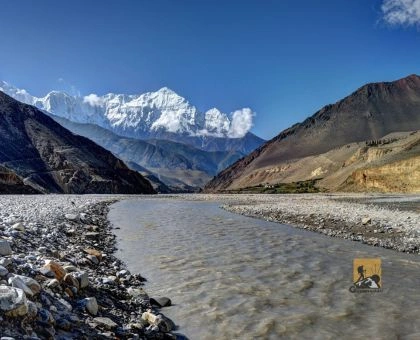
Mustang lies in the trans-Himalayan zone, north of the main Himalayan range. Because the mountains block most monsoon clouds, the valleys here are dry, windy and strikingly colored, with red, ochre and grey cliffs set against deep blue skies. The Kali Gandaki River runs through the region and cuts the deepest gorge in the world between the Annapurna and Dhaulagiri massifs. For centuries it was part of the trade route between Tibet and the Indian plains, carrying salt, wool, grain and goods.
Lower Mustang is the easier and more accessible half. Its settlements include Jomsom, the district headquarters, Marpha, Kagbeni and Muktinath, along with many Thakali villages along the Kali Gandaki. Travelers come for mountain views of Nilgiri and Dhaulagiri, apple orchards, Buddhist and Bon monasteries, and one of Nepal’s great pilgrimage sites. Lower Mustang is practical for most of the year and suits families, pilgrims and first-time visitors.
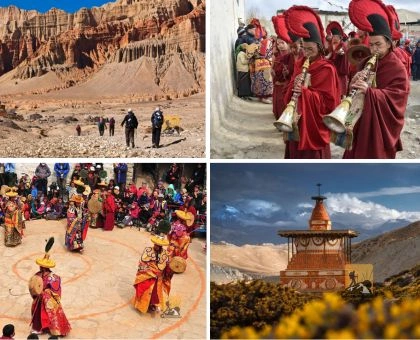
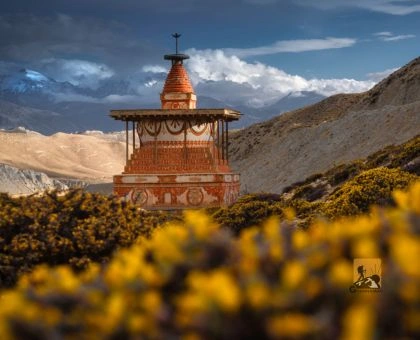
Upper Mustang begins north of Kagbeni. Historically the Kingdom of Lo, it was closed to foreigners until 1992 and still requires a special permit. The landscape is a high-altitude desert of canyons, sandstone pillars, cave settlements and ancient chortens. Its Tibetan-influenced culture is visible in the architecture, language, festivals and monastic life of the Loba people. Lo Manthang, the walled capital, is the cultural highlight.
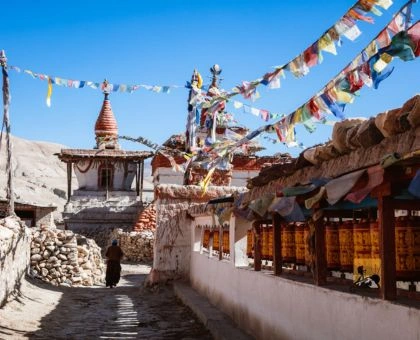
Founded in the 14th century, Lo Manthang is the historic walled capital of the former Kingdom of Lo in Upper Mustang. Enclosed by impressive earthen walls, this ancient settlement is home to a maze of narrow lanes, traditional courtyards, and flat-roofed houses. The former royal palace stands as a reminder of its rich royal heritage.
The last king of Mustang, Jigme Dorje Palbar Bista, remained a respected figure in the region after Nepal abolished its monarchy in 2008, following the country’s transition to a federal democratic republic. Although his royal status ended, he continued to hold an important place in the cultural identity and history of Mustang.
Lo Manthang’s spiritual heritage is reflected in its three major historic monasteries
Access to some interiors and murals can be restricted, and rules on photography vary by site. Ask your guide before you enter.
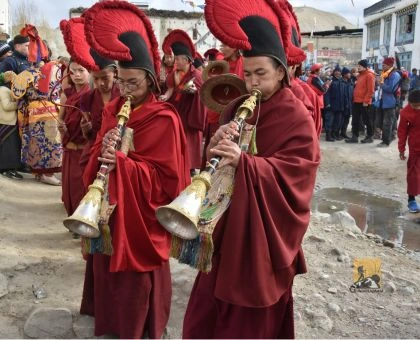
Tiji is the best-known festival in Upper Mustang. It lasts three days and is held in the courtyard of the Lo Manthang palace. Monks in masks and brocade perform sacred dances that retell the myth of a deity who defeats a demon and brings rain to a dry land. On the last day a demon effigy is dispersed or burned. The festival follows the Tibetan lunar calendar, so dates change every year. The 2026 festival took place in mid-May. Operators are currently quoting provisional dates of 1 to 3 June 2027, to be confirmed by Chhoede Monastery, so check before you book. Lodging in Lo Manthang fills quickly, so book months in advance.
Thousands of man-made caves are carved into Mustang’s cliffs, some of them dozens of meters above the ground. Archaeologists have found evidence that they were used for housing, burial and meditation over a span of well over two thousand years. Some contain murals, manuscripts and relics. Well-known cave areas lie around Chhoser and Garphu, near Lo Manthang. Most caves are fragile or sacred, and many are closed to visitors, so only enter with permission and a local guide.
Kora La, at about 4,660 m, is a historic pass on the Nepal–Tibet border, north of Lo Manthang. It was one of the old trade routes between Mustang and the Tibetan Plateau. Nepal opened the border crossing for tourism in late 2025, but cross-border access depends on current rules on both sides. Do not plan to cross without confirming the latest status with your operator.
The road and trekking trails north of Kagbeni pass through traditional villages known for their stone houses, barley fields, ancient monasteries, chortens, and distinctive Tibetan-influenced culture.
Mustang has been a place of pilgrimage for Buddhists, Hindus and followers of the Bon religion for centuries.
Together these sites show how pilgrimage, trade, and faith shaped Mustang beyond its scenery.
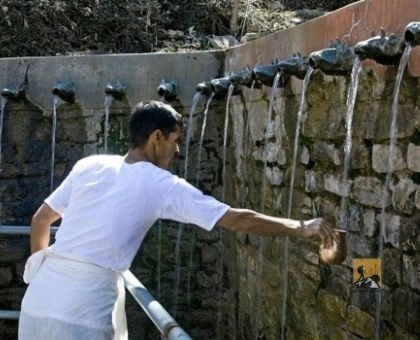
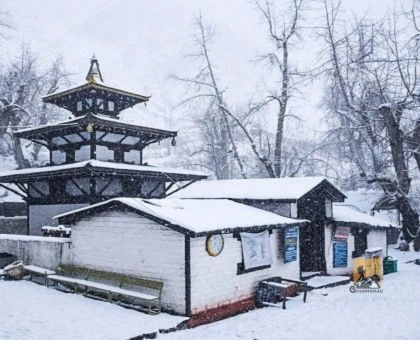
Located at approximately 3,800 metres in Mustang, Muktinath Temple is sacred to both Hindus and Buddhists. Known as Mukti Kshetra by Hindus and Chumig Gyatsa by Buddhists, it symbolizes religious harmony. The temple is famous for its 108 water spouts, sacred natural flame, and the unique spiritual traditions shared by Hindu priests and Buddhist nuns (Anis). Visitors should take precautions against altitude sickness due to its high elevation
Jomsom is the main gateway and administrative center of Mustang. It has an airstrip, government offices, shops and a wide choice of lodges, with views of Nilgiri and Dhaulagiri. It is the base for trips to Marpha, Kagbeni, Muktinath and Upper Mustang. Visit the Jomsom museum if you have an hour to spare.
Marpha is one of the most attractive villages in the Kali Gandaki Valley. Whitewashed stone houses line a paved lane with a covered drain, and orchards climb the hills behind. It is famous for apples and for apple products, including dried apples, juice, cider and brandy, depending on the season. Marpha also has a Buddhist monastery, a small distillery and some very good Thakali meals.
Kagbeni stands where the Kali Gandaki meets the Jhong (Kak) Khola. It is an old walled village of mud houses, narrow covered alleys and a red monastery, and it is the formal gateway to Upper Mustang. The Restricted Area Permit is checked here. Some visitors stay a night to adjust to altitude before continuing north or up to Muktinath.
Above and around Jomsom, Thini village has a gompa and the Thini Thakali Museum. Lubra, a short trip away, is a rare Bon village with a Bon monastery, an alternative to Tibetan Buddhism with its own rituals and art. Jharkot, Khinga and Chhongar are other villages on the road to Muktinath.
Travelers who want a high-end base can stay at Shinta Mani Mustang in Jomsom, which blends local design with modern comfort. Reserve well in advance, especially for spring and autumn.
Lower Mustang is the homeland of the Thakali people, who are known for their hospitality, lodge-keeping and cuisine. Villages and settlements along the valley include Ghasa, Lete, Kalopani, Larjung, Kobang, Tukuche, Syang and Thini. Tukuche, a former trading town, has old courtyard houses and a well-known apple brandy tradition. Nearby villages such as Naurikot, Phalyank, Chhimang, Titi, Taglung and Kunjo are quieter. These places let you experience village life, regional food and local festivals away from the main trekking trail.
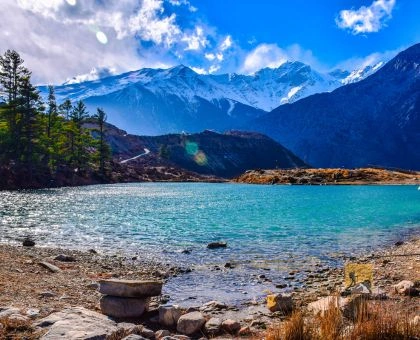
Mustang is better known for cliffs and valleys than for lakes, but there are a few worthwhile natural sites:
Lesser-known lakes such as Sekong, Bhutorchho near Thak Khola, and Torang near Jharkot are also mentioned locally. Their locations and access routes may be unclear, so consult a local guide to confirm the trail conditions and safety before visiting.
Lower Mustang has a dense network of Buddhist and Bon institutions. Sites visitors commonly ask about include Kag Chhode Samteling Monastery Kagbeni, Marpha Buddhist Monastery, Chhairo Gompa, Narshang Gompa, Kobang Monastery, Samten Choling Gompa and Sauru Gompa. The area also has the Jomsom Museum and the Thini Thakali Museum. Opening hours are limited and often informal, so ask locally.
Festival dates change every year. Confirm them with a local operator before you book flights.
The quickest route is a short flight from Pokhara to Jomsom, about 20 minutes. It is one of the most scenic flights in Nepal, passing between Dhaulagiri and Annapurna. Flights run only in the morning, depend on wind and visibility, and are often delayed or cancelled. Confirm the current schedule with your operator and keep a day of buffer.
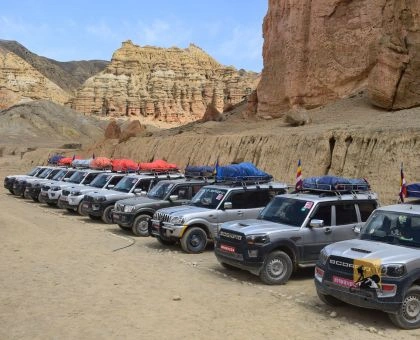
Jomsom is reachable by road from Pokhara via Beni, Tatopani, Ghasa and Kalopani, along the Kali Gandaki. The journey takes a full day or more in a jeep, and parts of it can be rough, especially during rain or after landslides. From Jomsom or Kagbeni, a rough road continues north to Lo Manthang through Chhusang, Ghami and Tsarang, and it is commonly used for jeep tours. Road conditions change by season, so do not assume the same speeds each year.
Trekking is the slowest and most rewarding way to see Mustang. A classic cultural trek follows the Kali Gandaki north from Jomsom to Kagbeni, then continues through Chele, Ghami and Tsarang to Lo Manthang. Because a road now runs alongside much of the route, trekkers often combine walking sections with jeep rides. Other popular options include Lower Mustang cultural walks and the Muktinath pilgrimage.
Mustang is unusual because the rain shadow keeps it relatively dry through the monsoon. Weather, wind and road conditions still change quickly, so plan with some flexibility.
| Season | Months | What to expect |
|---|---|---|
| Spring | March to June | Warming days, clear skies, green fields, Tiji Festival in Lo Manthang. Strong afternoon winds are common. Good all-round choice. |
| Monsoon | July to August | Upper Mustang stays dry and uncrowded, but landslides can block the road to Jomsom, and flights may be disrupted by cloud. |
| Autumn | September to November | Clear mountain views, stable weather and harvest colors. The most popular season. Nights are cold, especially in November. |
| Winter | December to February | Very cold, with snow on high passes. Many Upper Mustang lodges close. Lower Mustang and Muktinath are more practical, with caution. |
For most travelers, spring and autumn are the best choices. If you want quiet trails and a dry climate in July and August, Upper Mustang is one of the few Himalayan areas where that works, as long as the road and flights cooperate.
This is an indicative outline, not a fixed schedule. It suits travelers who want to reach Lo Manthang without a long trek.
A shorter option for pilgrims, families and anyone who does not need the Upper Mustang permit. Fly or drive to Jomsom, then spend your days in Marpha, Tukuche, Thini, Lubra, Kagbeni and Muktinath, with a flexible day to absorb weather delays.
Thakali food is one of the best-known cuisines in Nepal. A typical meal is dal bhat with seasonal vegetables, meat or lentils, and homemade pickles, often with buckwheat bread and buckwheat pancakes. Many travelers rate a Thakali meal in Marpha or Tukuche as a highlight.
Marpha and nearby villages produce apples, and the season brings fresh fruit, dried apples, juice, cider and brandy. Apple pie is a popular tea-house dessert.
Expect warming meals such as thukpa, noodles, momos, Tibetan bread and tea. Menu choices are smaller in remote villages and out of season.
Prayer flags, mani walls, chortens and prayer wheels are part of everyday life. Walk clockwise around Buddhist structures, do not touch religious objects, and ask permission before taking photos of people or inside monasteries. The Loba and Thakali communities shape much of Mustang’s identity, and respectful visitors are welcomed.
Book early for the spring festival season and for Tiji in particular.
Permit rules in Nepal change often. The information below reflects what our research shows as of October 2026, and we confirm every detail before departure.
Lower Mustang lies within the Annapurna Conservation Area, so you need an Annapurna Conservation Area Permit (ACAP). Foreign visitors currently pay NPR 3,000, and SAARC nationals pay a lower rate (NPR 1,000). Check whether a TIMS card or local entry fee is also being applied on your route, because operators report different practices.
Upper Mustang is a restricted area. You need:
Because permit rules and fees can change at short notice, we confirm the latest requirements at the time of booking. See our guide to Nepal Trekking Permits and Fees for background.
Mustang rewards good planning. Between permits, short flight windows, variable roads, altitude and festival dates, the details decide how comfortable your trip is. Ghumnajaau, a Nepal-based travel company, helps travelers plan jeep tours, treks, cultural journeys, pilgrimages and custom itineraries across Lower and Upper Mustang, with licensed guides and realistic schedules.
Whether you want to walk the lanes of Lo Manthang, attend Tiji, visit Muktinath or explore cave settlements, we can design a trip around your time, interests and fitness. Contact Ghumnajaau to start planning your Mustang journey.
We create unforgettable trips, customized for your group.