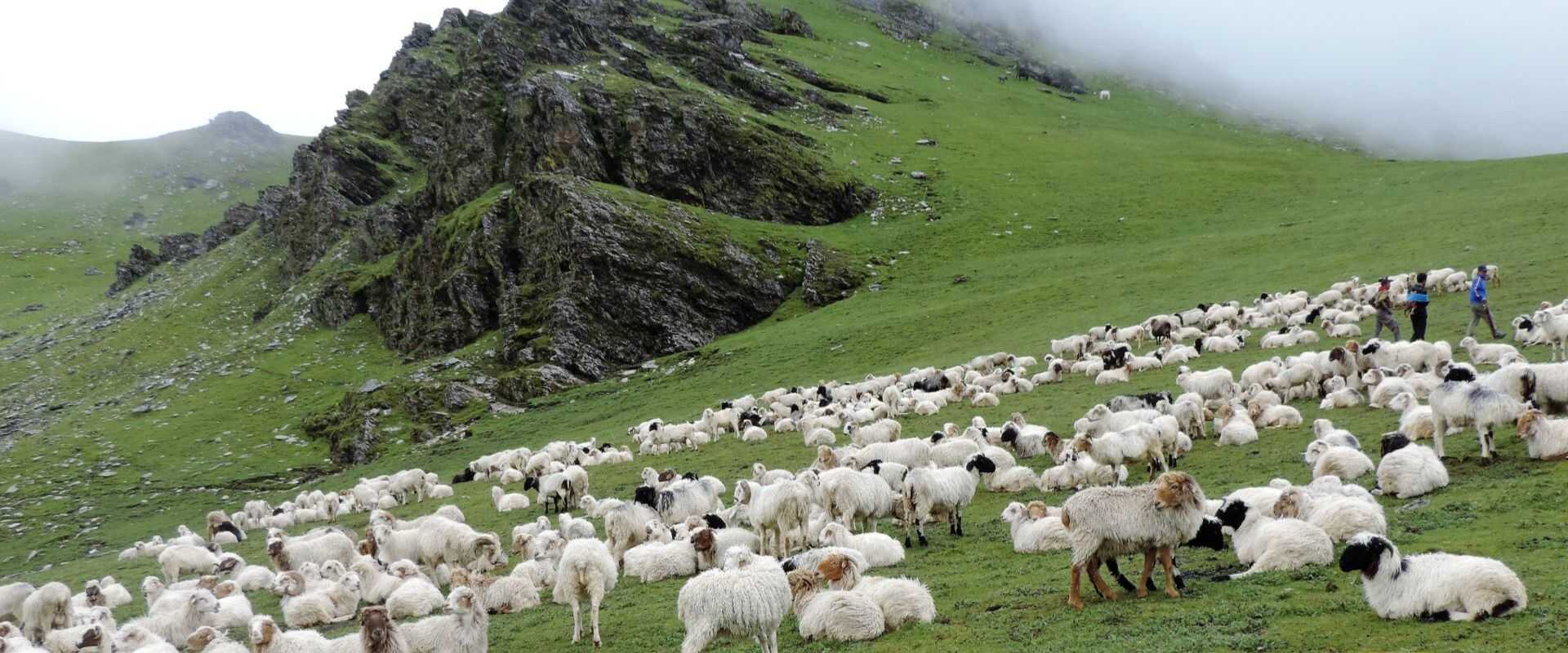
Dhorpatan is one of western Nepal's quietest wilderness areas: open alpine meadows, rhododendron and fir forest, grazing herds of blue sheep, and the snow peaks of the Dhaulagiri range on the horizon. It is also Nepal's only hunting reserve, though most visitors come for walking, wildlife watching, birding and a rare taste of rural Himalayan life without the crowds.
This guide covers how to reach Dhorpatan, the best time to go, the main attractions, a sample itinerary, entry fees and practical tips.
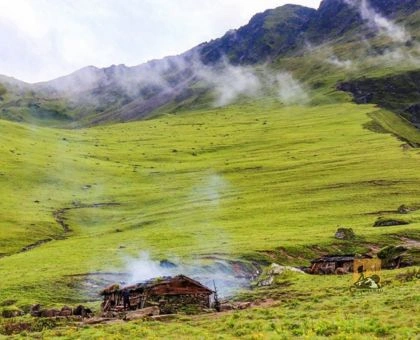
Dhorpatan lies on the western side of the Dhaulagiri Himal, in the hills and high pastures between Baglung, Myagdi and Rukum. The reserve was set aside mainly to protect and manage blue sheep and Himalayan tahr. More than half of its area is high pasture, locally called patan, which gives Dhorpatan its open, rolling character, quite unlike the steep gorges of the Annapurna and Dhaulagiri circuits.
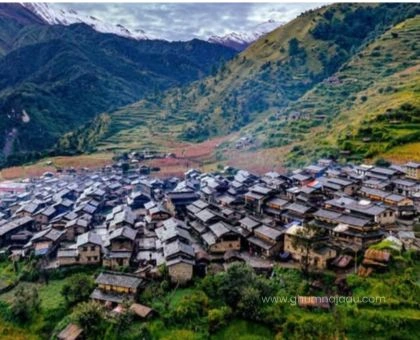
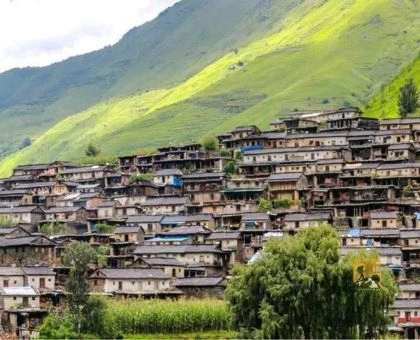
Villages around the reserve are home mainly to Magar and Gurung communities, who farm barley and potatoes and graze livestock in the high pastures. The area remains lightly visited, so facilities are basic, but that is exactly what makes it attractive.
It suits trekkers, wildlife and bird watchers, photographers, and anyone who wants a quieter alternative to Nepal's busier trails. It also works well as a short add-on near Pokhara or alongside the Dhaulagiri Region.
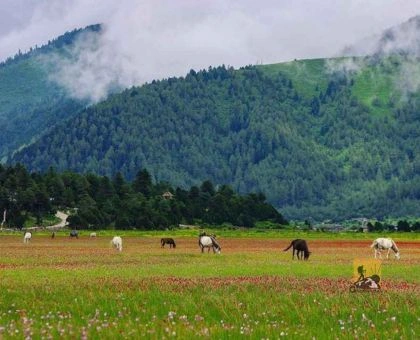
The valley around Dhorpatan village sits at about 2,900 m, with wide pastures, pine and fir forest, birch and rhododendron. Higher up, meadows such as Bukipatan (above 4,000 m) offer wildflowers in season, grazing horses and wide views toward Dhaulagiri, Gurja and Churen Himal.
Dhorpatan is one of the best places in Nepal to see blue sheep (bharal) and Himalayan tahr in their natural habitat. Other mammals recorded in the reserve include leopard, wild boar and several deer species, and rarer high-altitude species are reported in the upper areas. More than 130 bird species have been recorded, including pheasants and other forest birds. Wildlife sightings are never guaranteed, so go with a guide who knows the blocks and the season.
Dhorbaraha is a Hindu pilgrimage site on the Uttarganga River near Dhorpatan, in the Fagune block. Each year on Janai Purnima (the August full moon), pilgrims gather here for a religious fair, a good time to experience local culture.
Spring turns the forests pink and red as rhododendrons bloom, making March–April one of the most scenic times to visit. The reserve's own authorities also describe March–April as the best period to visit.
Open ridges and meadows give uninterrupted views of the Dhaulagiri range, Gurja Himal and Churen Himal, especially on clear mornings.
For management, the reserve is divided into seven blocks: Seng, Barse, Surtibang, Fagune (Phagune), Gustung, Dogadi and Sundaha. Barse, Gustung and Dogadi are known for scenery and wildlife. Access to specific blocks, especially in the hunting season, depends on reserve rules, so plan with your operator.
Road conditions change from year to year, so always confirm the latest access and travel time with your trekking operator.
A flexible framework that your operator can adjust for weather, road conditions and group interests.
Longer options (7–10 days) can add camping, further meadows, or a link with the Gurja Himal and Dhaulagiri side.
Local life revolves around farming, herding and seasonal pasture use. Hospitality is warm and simple.
Expect traditional village life, festivals and rituals. Dress modestly in villages, ask before photographing people and join local events respectfully.
Book ahead through an operator in peak seasons, and be prepared for basic facilities, limited hot water and few choices.
Entry to the reserve requires a ticket. Based on the reserve's published fees, the standard entry fee is about NPR 3,000 for foreign nationals, NPR 1,500 for SAARC nationals and NPR 100 for Nepali citizens, valid for a single entry. Filming, drones and helicopter landings require separate permission and fees.
Fees and rules can change. Confirm the current fee and any trekking requirements with the Dhorpatan Hunting Reserve office, the Department of National Parks and Wildlife Conservation, or a licensed trekking agency before you travel.
Is Dhorpatan only for hunters?
No. Regulated trophy hunting happens only in designated blocks during a set season. Most visitors come for trekking, nature and culture.
What is the best time to visit Dhorpatan?
Spring (March–May) is the most recommended. Autumn is also good, with the hunting season in mind.
How difficult is a Dhorpatan trek?
Most routes are easy to moderate. Higher meadows and longer routes need good fitness and some acclimatization.
Can I see snow leopards in Dhorpatan?
Sightings are extremely rare. Blue sheep, tahr and birds are far more likely.
Can I combine Dhorpatan with other treks?
Yes. It pairs well with the Dhaulagiri Region, Gurja Himal and Pokhara-based trips.
Dhorpatan is for travellers who want quiet trails, wide meadows and a closer look at Nepal's wilder west. Ghumnajaau Pvt. Ltd. plans guided treks, village stays and customized journeys with local knowledge, so you can focus on the landscape instead of the logistics.
Contact Ghumnajaau to plan your Dhorpatan trip.
Ghumnajaau – Explore Nepal Together.
We create unforgettable trips, customized for your group.