1. Kathmandu Valley – History, Culture & Heritage
Kathmandu Valley is one of the best choices for a school educational tour in Nepal.
Students can explore ancient temples, palaces, museums, courtyards, traditional settlements and UNESCO heritage sites. Possible educational visits:
- Kathmandu Durbar Square
- Swayambhunath
- Boudhanath
- Pashupatinath
- Patan Durbar Square
- Bhaktapur Durbar Square
- Changu Narayan
- Museums and traditional craft areas
Learning areas: History, culture, architecture, religion, art and sociology.
2. Pokhara – Geography, Nature & Adventure
Pokhara combines Himalayan scenery, lakes, caves, waterfalls and outdoor activities, making it highly suitable for experiential learning. Students can explore:
- Phewa Lake
- Seti River
- Davis Falls
- Gupteshwar Cave
- World Peace Pagoda
- Mountain viewpoints
- Museums and local communities
Learning areas: Geography, environment, tourism, geology and outdoor education.
3. Chitwan – Wildlife, Environment & Conservation
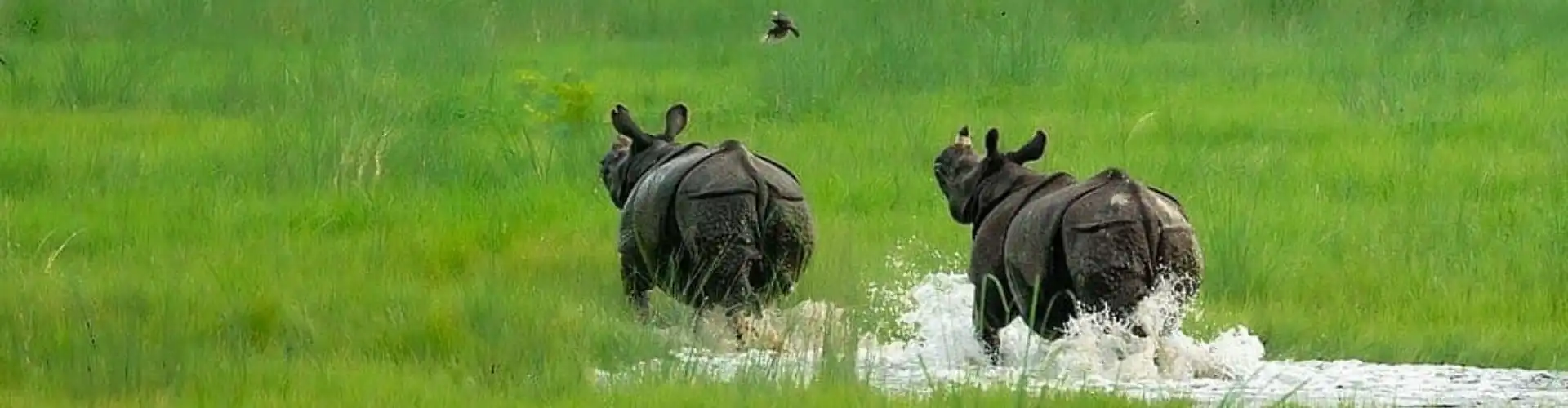
Chitwan is an excellent destination for students studying biology, environmental science, wildlife and conservation.
A student program can include appropriate guided nature and wildlife experiences, birdwatching, community interaction and learning about conservation.
Students can also discover Tharu culture and understand the relationship between communities, tourism and protected areas.
Learning areas: Biodiversity, ecology, wildlife, conservation and community studies.
4. Lumbini – History, Buddhism & Archaeology
Lumbini provides a valuable educational experience for students interested in history, Buddhism, archaeology, philosophy and world heritage. Possible educational visits include:
- Maya Devi Temple
- Ashoka Pillar
- Sacred Garden
- Monastic Zone
- Lumbini Museum
- Archaeological sites around the wider Lumbini region
Learning areas: History, archaeology, philosophy, religion and heritage conservation.
5. Bandipur – Heritage & Rural Community
Bandipur provides an opportunity to study traditional architecture, hill settlements, local culture, agriculture and community-based tourism.
A student educational program can include a heritage walk, local interaction, short hikes and observation of rural lifestyles.
Learning areas: Rural development, culture, architecture, geography and tourism.
6. Ghandruk – Mountain Culture & Outdoor Learning
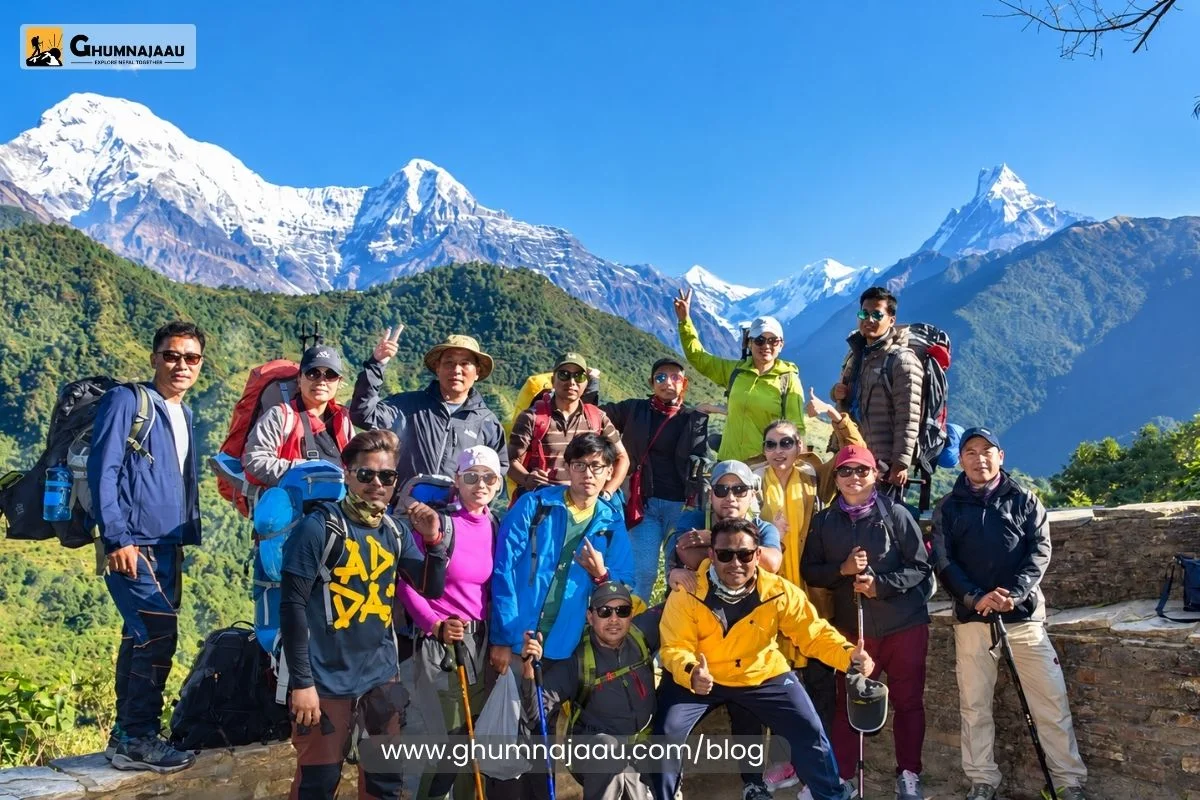
Ghandruk is ideal for combining a short trek with educational learning. Students can experience:
- Gurung culture
- Traditional villages
- Mountain landscapes
- Terraced farming
- Community tourism
- Himalayan views
- Outdoor teamwork
Learning areas: Geography, anthropology, rural development, culture and leadership.
7. Mustang – Geography, Geology & Himalayan Culture
Mustang offers a dramatically different landscape and is particularly suitable for college and university groups. Students can observe:
- Trans-Himalayan landscapes
- Mountain geology
- Traditional settlements
- Tibetan-influenced culture
- Monasteries
- High-altitude agriculture
- Local tourism
Learning areas: Geography, geology, anthropology, environmental science and tourism.
8. Janakpur – Mithila Culture & Heritage
Janakpur provides a fascinating introduction to Mithila culture, art, religion and heritage.
Students can explore the Janaki Temple, local traditions, Mithila art, crafts, markets and community life.
Learning areas: Art, culture, religion, history and social studies.
9. Ilam – Tea, Agriculture & Environment
Ilam is an excellent choice for students interested in agriculture and environmental studies. Students can observe:
- Tea cultivation
- Agricultural practices
- Rural communities
- Hill ecosystems
- Local tourism
- Sustainable livelihoods
Learning areas: Agriculture, environment, rural economy and entrepreneurship.
10. Everest & Khumbu – Mountain Environment & Sherpa Culture
For suitable college groups and experienced participants, the Everest region can provide a unique educational experience. Students can learn about:
- Himalayan geography
- Mountain ecosystems
- Sherpa culture
- Tourism and mountaineering
- High-altitude environments
- Local livelihoods
- Environmental challenges
High-altitude programs require careful itinerary planning, acclimatization and professional supervision.