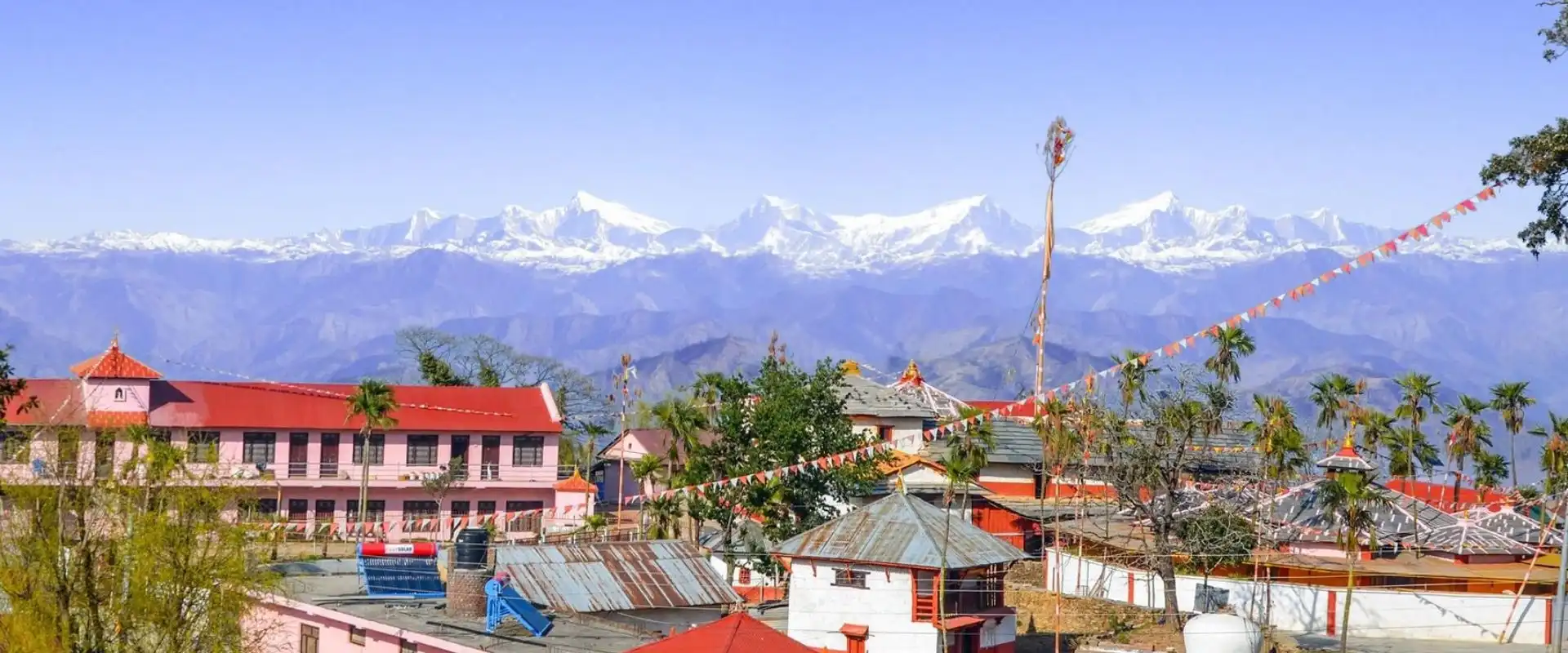
Sworgadwari is one of Nepal’s most sacred and spiritually powerful pilgrimage destinations, deeply rooted in Hindu mythology, cultural heritage, and historical belief. Located in the serene hills of western Nepal, this holy site is believed to be the “gateway to heaven,” as the name Sworgadwari literally translates to “Door of Heaven.”
Situated in Pyuthan District, Sworgadwari is not only a religious shrine but also a peaceful retreat surrounded by rolling hills, lush valleys, rivers, and distant Himalayan views. Every year, thousands of devotees and travelers visit this sacred hilltop seeking blessings, peace, and spiritual fulfillment.
Sworgadwari holds immense importance in Hinduism. It is dedicated to both Lord Vishnu and Lord Shiva, making it a rare and powerful confluence of devotion for followers of both deities. Hindu devotees believe that visiting Sworgadwari helps purify the soul, remove sins, and bring prosperity and happiness in life.
According to local belief, this sacred land has been spiritually active since ancient times. It is said that even divine beings such as Indra, the king of gods, once performed a Yagyan (sacrificial ritual) here during the Satya Yuga. This mythological connection elevates Sworgadwari’s status as a divine spiritual energy center.
The temple complex also includes cow shelters, meditation spaces, and sacred fire sites, reinforcing its identity as a living spiritual heritage site rather than just a temple.
Sworgadwari is deeply connected with stories from the Mahabharata era. Legends mention that the Pandavas left hidden offerings in this region during their journey, which were later discovered by Guru Maharaj Narayan Khatri, also known as Swami Hamsananda.
The discovery of these divine offerings is considered a turning point in the spiritual history of Sworgadwari. It is believed that this event marked the beginning of the establishment of the temple as a major pilgrimage site.
Over centuries, Sworgadwari has been preserved through oral traditions, religious practices, and local devotion, making it a living symbol of Nepal’s spiritual continuity.
The temple is traditionally attributed to Guru Maharaj Narayan Khatri, a highly respected spiritual figure known for his simplicity, divine wisdom, and deep connection with nature. He is also called Swami Hamsananda.
According to legends, he lived a humble life as a cow herder and milk collector while simultaneously practicing deep spiritual discipline. His life took a divine turn when he reportedly discovered sacred offerings linked to the Pandavas.
Guru Maharaj Narayan Khatri is believed to have performed several miracles during his lifetime. These include:
One of the most famous legends says that upon his spiritual departure, his favorite cow also passed away, and his entire herd mysteriously disappeared—signifying his divine connection with nature and higher consciousness.
Sworgadwari is located in the peaceful hills of western Nepal in Pyuthan District at an altitude of approximately 6,960 feet above sea level.
The journey to Sworgadwari is as spiritually enriching as the destination itself. The route passes through winding hill roads, rural villages, terraced farms, and forested landscapes. Though the road is narrow and slightly bumpy in sections, the scenic beauty along the way makes the journey unforgettable.
Travelers can witness:
This combination of adventure and spirituality makes Sworgadwari a unique pilgrimage destination in Nepal.
Sworgadwari is widely regarded as a powerful spiritual energy center. Devotees believe that the atmosphere here naturally encourages meditation, self-reflection, and inner peace.
Visitors often report feeling:
Many pilgrims travel here to fulfill vows, seek blessings for family well-being, or pray for success in life. The temple environment, combined with chants, rituals, and incense, creates a deeply immersive spiritual experience.
Sworgadwari becomes especially vibrant during major Hindu festivals. Large gatherings of devotees take place during:
Daily rituals include morning and evening prayers, fire offerings (hawan), and worship of sacred cows within the temple complex.
Cows are considered highly sacred in Sworgadwari, symbolizing purity and divine energy. The temple even maintains cow shelters as part of its spiritual tradition.
Sworgadwari is not only a religious site but also an important cultural heritage landmark of Nepal. It is officially recognized as part of Nepal’s national inventory of cultural and historical sites.
The site represents:
For local communities, Sworgadwari is a center of faith and identity. It plays an important role in preserving traditional values and passing them to future generations.
Exploring Sworgadwari with Ghumnajaau provides travelers with a meaningful blend of spirituality, culture, and adventure. It is ideal for:
Sworgadwari is not just a destination. It is a journey within oneself.
The best time to visit Sworgadwari is during:
Winter can be cold but offers peaceful surroundings, while monsoon season may make travel routes challenging due to rain.
Sworgadwari stands as a powerful symbol of Nepal’s spiritual depth, cultural richness, and historical legacy. From its mythological roots in ancient Hindu scriptures to it’s living traditions today, it continues to inspire devotion and faith among thousands of pilgrims.
For those seeking peace, blessings, and a deeper understanding of Nepal’s spiritual landscape, Sworgadwari offers an unforgettable experience.
With Ghumnajaau, your journey to Sworgadwari becomes more than travel. It becomes a soulful pilgrimage to the “Door of Heaven.”
We create unforgettable trips, customized for your group.